
NOVEMBER 12, 2026
Why Hunter Education Matters for Kids
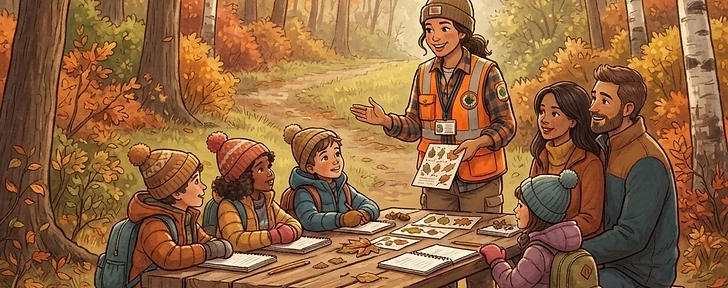
Hunter Education is the most important thing your child will do before a first hunt. It matters more than the gear, the practice at the range, or the spot you picked. It is where a young hunter learns the rules that keep everyone in the field safe, taught by trained instructors and backed by your state wildlife agency.
What Hunter Education is
Every state runs an official Hunter Education program. Most states require a certificate from that course before a hunter can buy a license. The details differ from state to state: minimum ages, who is exempt, and whether a mentored or apprentice license is an option. Your state wildlife agency sets those rules, so always check there first.
A typical course covers:
- Safe firearm and bow handling
- Knowing your target and what is beyond it
- Tree stand and elevated blind safety
- Wildlife identification
- Hunting laws, ethics and respect for landowners
- Conservation and how hunters help pay for it
- Basic survival and first aid
Why it matters so much for kids
- It works. Hunting incidents have dropped sharply in the decades since states began requiring Hunter Education. Most incidents come down to one broken basic rule, and the course drills those rules until they are habit.
- Kids hear instructors differently. Your child hears "watch your muzzle" from you all the time. Hearing it from an instructor, in a room full of other kids, makes it real.
- It builds judgment, not only skill. A child who can hit a target is not yet a safe hunter. Hunter Education teaches when not to shoot.
- It makes them part of something. Kids learn that license fees and taxes on hunting gear help pay for wildlife and habitat. They walk out seeing themselves as caretakers.
- It lasts. The certificate is generally honored in other states, and the habits stay for life.
Where the Academy fits
BHH Youth Hunters Academy is not a state Hunter Education course and does not replace one. Think of it as the practice before and after. Parents and kids work through age-matched safety courses together at home, so the ideas are already familiar when your child sits down in class, and they stay fresh afterward.
The best plan uses both:
- Start safe habits at home, early, with short lessons.
- Enroll in your state's official Hunter Education course when your child is old enough and ready.
- Keep practicing after the certificate. A card in a wallet does not keep anyone safe. Habits do.
What to do this week
- Look up your state's Hunter Education requirement with your state wildlife agency. Your state's page on Buckeye Hunter Hub is a quick place to start.
- Take the hunter safety readiness quiz with your child.
- Read our hunting safety for kids guide and pick one habit to practice.
- Read what happens in a Hunter Education course so the day holds no surprises.
Hunter Education is not a box to check. It is the foundation every safe hunt is built on. Give it the weight it deserves, and your child will too.
HUNTING SAFETY EDUCATION · AGES 5-17
RAISE A SAFE, CONFIDENT YOUNG HUNTER.
Guide your kids through interactive hunting safety missions, real decision drills, and earned trophies. One payment, no subscription.