
NOVEMBER 12, 2026
What Happens in a Hunter Education Course?
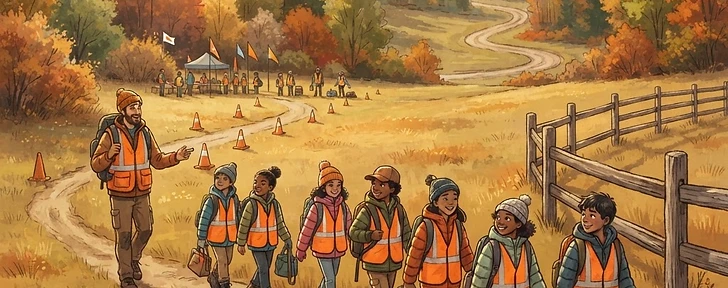
Most Hunter Education courses mix lessons with hands-on practice and finish with a test. The details depend on your state, but the shape is similar almost everywhere. Here is what your child can expect, so nothing on the day is a surprise.
The common formats
- Classroom course. Several hours with a certified instructor, often spread over an evening or two or a weekend.
- Online course plus a field day. Your child studies at home, then attends an in-person session to show the skills.
- Online only. Some states offer this for certain ages.
Your state wildlife agency lists which formats it accepts and at what age. Check there before you sign up for anything.
What gets taught
- The basic firearm safety rules and safe handling
- How firearms and bows work
- Knowing your target and what is beyond it
- Shot placement and recovering game
- Tree stand safety
- Wildlife identification
- Hunting laws, ethics and respect for landowners
- Conservation, plus survival, weather and first aid basics
What a field day looks like
A field day is where the lessons become physical. Instructors commonly ask students to:
- Show safe carries and muzzle control while walking with others
- Cross a fence or obstacle safely
- Work through shoot or don't-shoot situations
- Hold safe zones of fire in a group
- In some programs, fire a firearm with one-on-one supervision
Nobody expects a child to be a great shot. Instructors watch for one thing above all: does this student control the muzzle and follow directions every single time?
The test
Most courses end with a written test, and many add a practical check. Kids who paid attention pass. Kids who practiced the ideas at home first usually pass comfortably.
Should you stay?
Yes, if the program allows it. Many instructors welcome the parents of younger students. You will hear the exact words your child was taught, which means you can use the same words in the field.
After the certificate
The card proves your child finished the course. It does not finish the learning. Keep the habits alive with short refreshers, like the Academy's youth hunter safety courses, and with real time in the field next to you.
Next, read how to get your child ready for Hunter Education, or go back to why Hunter Education matters for kids.
HUNTING SAFETY EDUCATION · AGES 5-17
RAISE A SAFE, CONFIDENT YOUNG HUNTER.
Guide your kids through interactive hunting safety missions, real decision drills, and earned trophies. One payment, no subscription.