 BHH YOUTH HUNTERS ACADEMYBHH ACADEMY
OCTOBER 6, 2026
Teaching Young Hunters the Importance of Ethical Wildlife Stewardship and Conservation
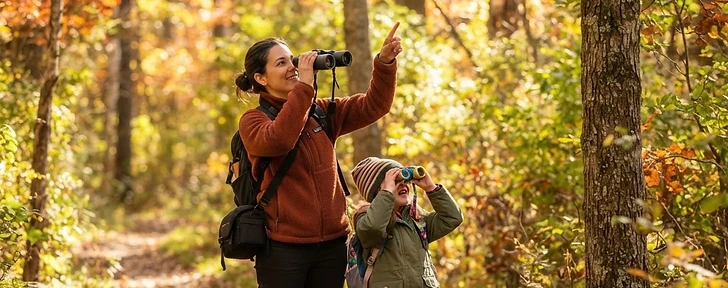
Understanding the Role of the Modern Hunter
For many families, the journey into hunting is about more than just the harvest. It is about fostering a deep, respectful connection to the land and the creatures that inhabit it. As parents, our most important responsibility at the BHH Youth Hunters Academy is to teach our children that they are active participants in a complex ecosystem. True hunters are the ultimate stewards of the wild.
What is Wildlife Stewardship?
Stewardship is the act of taking responsibility for the health of our natural resources. When we introduce kids to the outdoors, we must shift the focus from 'taking' to 'giving back.' This means helping children understand that healthy wildlife populations depend on well-managed habitats.
Start by teaching your child that every animal they see—from a songbird to a white-tailed deer—is part of a larger community. Encourage them to notice how different species interact with their environment. Ask them questions like, 'Why do you think this deer is grazing in this specific meadow?' or 'How does this forest provide shelter for other animals?'
The Three Pillars of Youth Conservation
- Habitat Protection: Teach your child to minimize their footprint. Respecting the woods means staying on trails where appropriate, not damaging sensitive plant life, and leaving areas better than they found them.
- Population Management: Help your child understand that hunting is a tool used by wildlife biologists to keep populations in balance with the carrying capacity of the land. Explain how tags and regulations prevent overharvesting.
- Public Land Care: Many families hunt on public ground. Remind your child that they have a duty to respect these shared spaces, which includes picking up litter, observing quiet hours, and following all posted signs.
Cultivating a Conservation Mindset
Conservation is not just something you do; it is how you see the world. Encourage your child to participate in local projects. Whether it is planting native shrubs to provide cover for small game or simply cleaning up a favorite fishing spot, these hands-on experiences anchor the abstract concept of 'stewardship' in reality.
Ethical Responsibility Beyond the Harvest
When we talk about ethics, we often focus on shot placement. However, true ethics extend to how we treat the environment year-round. Teach your child that their presence in the woods should be as subtle as possible. We are observers in the animal's home. By maintaining this perspective, children develop a sense of humility and gratitude that makes them safer, more thoughtful, and more effective hunters in the long run.
Start Your Journey Today
Ready to dive deeper into the ethics of being a responsible steward? At BHH Youth Hunters Academy, we provide age-matched safety lessons designed to help parents and children navigate these complex topics together. From firearm safety to the nuances of ecological balance, our modules ensure your child has the foundation they need to enjoy a lifetime of safe and ethical hunting. Join us today and start your training.
TRY IT — A REAL ACADEMY DECISION DRILL
The Litter Dilemma

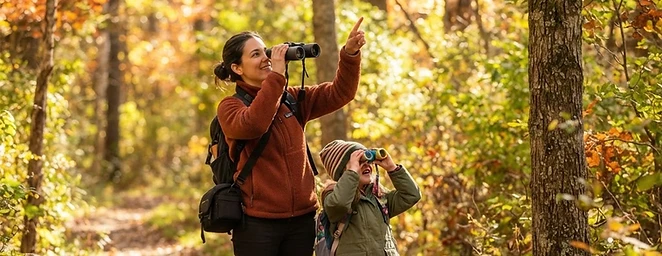
While walking to your hunting spot, your child notices an old plastic bottle and a snack wrapper left on the ground by a previous visitor.
What is the best way for your young hunter to handle this situation while upholding the principles of stewardship?
HUNTING SAFETY EDUCATION · AGES 5-17
RAISE A SAFE, CONFIDENT YOUNG HUNTER.
Guide your kids through interactive hunting safety missions, real decision drills, and earned trophies — all from one free parent account.