 BHH YOUTH HUNTERS ACADEMYBHH ACADEMY
OCTOBER 3, 2026
Teaching Young Hunters the Importance of Ethical Wildlife Identification and Species Knowledge
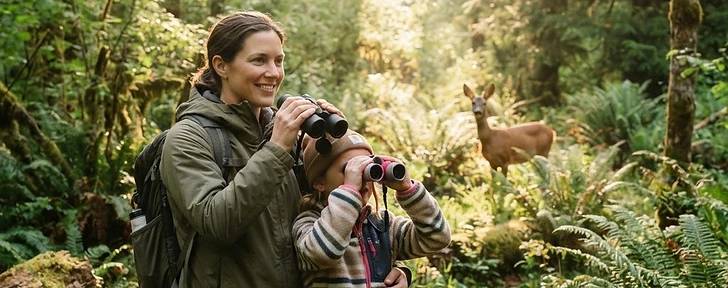
Building a Foundation in Wildlife Recognition
One of the most critical skills a young hunter can develop is the ability to accurately identify wildlife long before a firearm is ever raised. At BHH Youth Hunters Academy, we believe that true marksmanship begins with observation and identification. When a child learns to distinguish between species, genders, and age classes, they aren't just becoming better hunters; they are becoming better stewards of the land.
Why Identification Matters
Beyond the obvious safety implications, species knowledge is the cornerstone of ethical hunting. Many states have specific regulations regarding which species, sizes, or genders can be harvested. Misidentification can lead to legal complications, but more importantly, it can result in a wasted harvest or the unintended taking of protected wildlife. By teaching your child to identify animals based on field marks, behavior, and habitat, you empower them to make sound, confident decisions in the woods.
Developing 'Field Eyes' Through Observation
Developing strong identification skills takes time and patience. It is an ongoing process that goes far beyond a quick look through binoculars. Here is how you can help your young hunter hone their skills:
- Study Field Guides: Spend time in the off-season looking at high-quality field guides that show animals in their natural environment rather than just in profile.
- Use Binoculars Early: Teach your child to use optics to scan and identify distant movement before assuming what an animal is.
- Discuss Behavior: Help them understand that posture, movement, and timing are often better indicators of species than color or size alone.
- Practice in the Backyard: You don't need to be deep in the woods to practice. Observe birds, squirrels, and local wildlife, and ask your child to describe specific physical traits.
Ethical Responsibility and Positive Identification
It is important to emphasize to your child that if they cannot identify the animal with 100% certainty, they do not pull the trigger. This is the 'Golden Rule' of ethical hunting. There is no shame in letting an animal walk away because you weren't quite sure of the species. In fact, that represents the highest level of sportsmanship. Encourage your child to share what they see with you, and practice 'cooperative identification' where you both verify the target before taking any further action.
Integrating Species Knowledge into Daily Life
Take your child on 'scouting hikes' where the goal is not to hunt, but to identify as many species as possible. Bring a notebook to document what you see—this acts as a low-pressure way to build their confidence. When they can confidently name a species and understand its role in the local ecosystem, they will naturally feel a stronger connection to the environment they are protecting.
Continuing the Journey at BHH Youth Hunters Academy
Teaching your child to identify wildlife is a journey that will last a lifetime. By prioritizing education and consistent practice, you are ensuring that your young hunter enters the field with the tools they need to be safe and ethical. Ready to take the next step in your child's outdoor education? Join us at BHH Youth Hunters Academy and explore our age-matched safety lessons designed to help parents and kids learn together.
TRY IT — A REAL ACADEMY DECISION DRILL
The Uncertain Target


You and your child are sitting in a ground blind during deer season. A brown, movement-heavy shape emerges from the brush about 60 yards away. It is getting dark, and the animal is obscured by dense foliage. Your child whispers, 'I think that's a legal buck, should I aim?'
What is the most ethical and safe instruction to give your child in this moment?
HUNTING SAFETY EDUCATION · AGES 5-17
RAISE A SAFE, CONFIDENT YOUNG HUNTER.
Guide your kids through interactive hunting safety missions, real decision drills, and earned trophies — all from one free parent account.