
OCTOBER 28, 2026
Teaching Young Hunters the Fundamentals of Ethical and Safe Wildlife Habitat Management
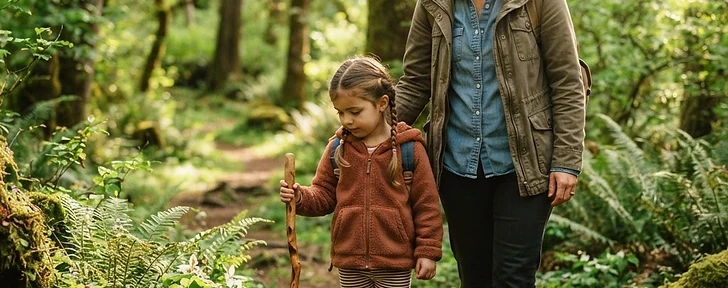
Understanding the Role of a Modern Steward
For young hunters, the experience often begins with the thrill of the chase or the excitement of spending a day in the woods with a parent. However, the true essence of being a hunter lies in conservation. Teaching your child that they are a guardian of the ecosystem is one of the most valuable lessons you can provide. Habitat management is the practice of maintaining or improving the environment where wildlife lives, and it is a cornerstone of ethical hunting.
Why Habitat Management Matters
When we manage habitats, we aren't just creating better hunting grounds; we are ensuring that wildlife populations remain healthy and resilient for future generations. For a young hunter, this perspective shifts their mindset from 'taking' to 'giving back.' It teaches them that their presence in the woods comes with the responsibility of ensuring the land stays healthy.
Essential Principles for Young Conservationists
To introduce these concepts, start with simple, observable actions that show how human choices directly impact wildlife health. Consider these foundational pillars for teaching habitat stewardship:
- Protecting Water Sources: Explain why clean, accessible water is vital for all species. Discuss keeping streams clear of debris and why we never leave trash behind.
- Encouraging Biodiversity: Help your child identify native plants versus invasive species. Discuss why a diverse forest provides better food and cover for a wider variety of animals.
- Respecting Bedding and Nesting Areas: Teach that certain parts of the woods should remain 'sanctuaries' where wildlife can rest undisturbed, particularly during sensitive seasons.
- Understanding Carrying Capacity: Use simple terms to explain that land can only support a certain number of animals based on the available food and shelter.
Hands-On Learning in the Field
Conservation is best learned by doing. During your next trip to the woods, turn a simple walk into a management exercise. Look for signs of erosion or areas where non-native plants are choking out local growth. By teaching your child to observe the 'health' of the forest floor or the canopy, you are teaching them to see the habitat as a living system rather than just a backdrop for the hunt.
The Ethical Connection
Effective habitat management prevents the over-concentration of wildlife, which can lead to disease, and ensures that populations remain balanced. When children understand that their role includes habitat maintenance, they develop a deeper appreciation for the regulations set forth by state wildlife agencies. It makes the 'why' behind the rules much clearer. Always remind your child to research and follow specific local guidelines provided by your state wildlife agency regarding land management practices, as regulations can vary significantly by region.
Starting the Conservation Journey
Teaching a child to respect the land is a lifelong commitment that mirrors the commitment required to master firearm safety and field ethics. By modeling stewardship now, you are building a foundation of character that will define their future as a sportsman or sportswoman. It is never too early to start these conversations and deepen your child’s connection to the natural world.
Ready to dive deeper into the ethics of hunting and land stewardship? Join us at the BHH Youth Hunters Academy, where we offer age-matched safety lessons and educational resources to help parents and children learn together, safely and responsibly.
TRY IT — A REAL ACADEMY DECISION DRILL
Make the Call: The Discovery

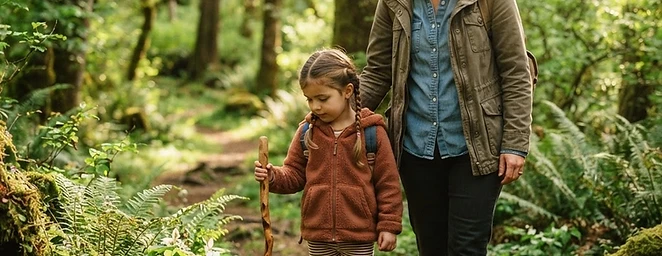
You and your young hunter are scouting a new area on public land. You find a section of the trail that is heavily littered with trash, old plastic bottles, and discarded gear, which is negatively impacting the local habitat and potentially harming wildlife.
What is the most appropriate action for you and your child to take as stewards of the land?
STEP ONE FOR EVERY YOUNG HUNTER
Hunter Education comes first
Most states require a Hunter Education certificate before a young hunter can buy a license, and it is the most important training your child will get. The Academy builds the habits at home. Your state's official course makes them count.
HUNTING SAFETY EDUCATION · AGES 5-17
RAISE A SAFE, CONFIDENT YOUNG HUNTER.
Guide your kids through interactive hunting safety missions, real decision drills, and earned trophies. One payment, no subscription.