 BHH YOUTH HUNTERS ACADEMYBHH ACADEMY
OCTOBER 5, 2026
Teaching Young Hunters How to Properly Interpret and Respect Wildlife Behavior
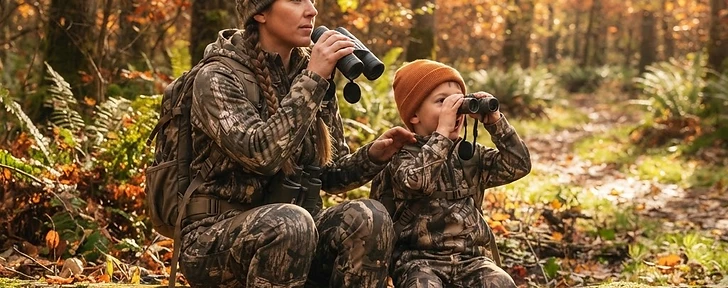
Understanding the Language of the Woods
For many young hunters, the thrill of the sport is in the pursuit of the harvest. However, at BHH Youth Hunters Academy, we believe the true mastery of hunting lies in observation. Teaching your child to interpret wildlife behavior is not just a skill for success; it is a fundamental pillar of safety and ethical stewardship. When a young hunter learns to read how an animal moves, reacts, and interacts with its environment, they become more attuned to their surroundings, leading to a more respectful and safe hunting experience.
Why Behavior Observation Matters
Beyond simply spotting a target, understanding wildlife behavior teaches patience and situational awareness. When children learn that an animal’s ear twitch, tail flick, or sudden change in gait can signal alarm or relaxation, they begin to see the forest as a complex system rather than just a backdrop. This awareness prevents hurried decisions and helps the child understand when to hold back, ensuring that every interaction remains within the bounds of safety and fair chase.
Key Observations for Young Hunters
To help your child become a keen observer, focus on these three primary indicators of wildlife behavior:
- Body Posture and Tension: Teach your child to watch for signs of alertness. Is the animal's head held high, looking directly at a specific point? Is it moving with fluidity or stiffness? A tense animal is an alerted animal, and recognizing this helps the hunter remain still and unseen.
- Interaction with Environment: Watch how animals interact with obstacles. Do they move around a ridge, or do they stop and check the wind? This teaches the youth about the importance of scent control and the animal’s reliance on its senses.
- Response to Sounds: Help your child observe how wildlife reacts to forest sounds. Does the animal freeze when a branch snaps, or does it continue foraging? Learning the difference between a natural movement and an alarm response is a critical skill.
Developing Ethical Patience
When a child understands that animals are constantly monitoring their environment, they realize that their own behavior—movement, noise, and scent—has a direct impact on the wildlife. This realization fosters a deep sense of responsibility. Encourage your child to spend time in the field during the off-season just observing. This non-harvest hunting allows them to witness natural behaviors without the pressure of a shot, building their confidence and their 'woods-eye' without any stakes.
Integrating Safety and Awareness
Safety is often thought of in terms of firearm handling, but mental safety is just as important. A hunter who is observant is a hunter who is aware of everything in their immediate vicinity. By focusing on what the wildlife is doing, the child naturally stays more alert to other hunters, potential hazards, and the landscape around them. It shifts their focus from 'shooting' to 'engaging with nature,' which is the hallmark of a mature, safe sportsman.
As you mentor your child, remember that these skills take time to develop. Start by discussing what you see when you are together in the field. Ask them questions like, 'Why do you think that squirrel froze?' or 'How is that bird signaling to others?' By keeping the conversation open and educational, you turn every trip into a classroom. For a structured, comprehensive approach to these vital skills, we encourage you to start age-matched safety lessons with your child today at BHH Youth Hunters Academy.
TRY IT — A REAL ACADEMY DECISION DRILL
The Alert Whitetail Scenario

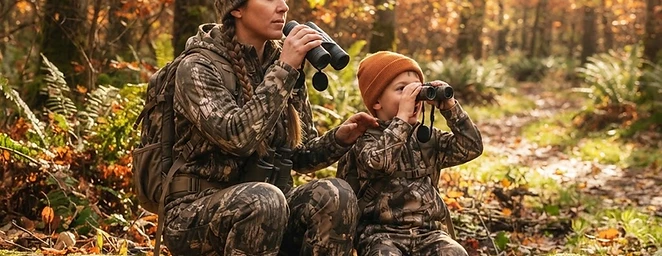
You and your child are sitting in a ground blind. A deer enters a clearing, stops abruptly, raises its head, and begins stomping its front hoof repeatedly while staring directly toward a thicket to your left.
Based on the animal's behavior, what should your child do?
HUNTING SAFETY EDUCATION · AGES 5-17
RAISE A SAFE, CONFIDENT YOUNG HUNTER.
Guide your kids through interactive hunting safety missions, real decision drills, and earned trophies — all from one free parent account.