
NOVEMBER 3, 2026
Teaching Young Hunters the Importance of Hunting Ethics and Personal Accountability
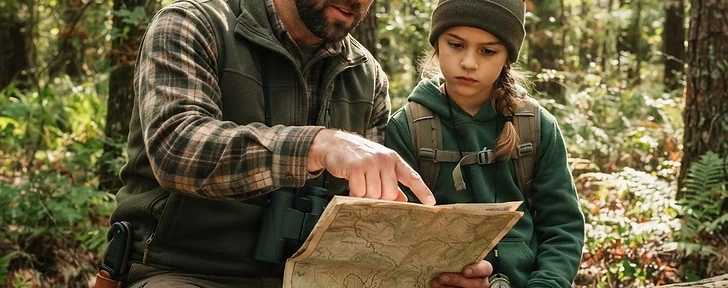
Building a Foundation of Character in the Woods
For many parents, introducing a child to hunting is about far more than harvesting game; it is an opportunity to teach life lessons that extend well beyond the timber. Hunting ethics and personal accountability are the twin pillars of a responsible hunter’s character. When we teach children to hold themselves to a high standard, we are fostering a mindset that values respect for wildlife, the law, and fellow outdoorspeople.
Defining Hunting Ethics for Young Minds
Ethics in the field can be complex, but for youth hunters, it begins with the concept of 'fair chase' and the weight of the decision to harvest. It is about doing the right thing even when no one is watching. Teach your child that hunting is not just about the success of the hunt, but about the integrity demonstrated throughout the journey.
Core Pillars of Ethical Hunting
- Respect for the Animal: Emphasize that an animal deserves our utmost respect, both in life and after the shot. This includes quick, clean harvests and full utilization of the meat.
- Adherence to Regulations: Rules and laws exist to protect wildlife populations. Following these is a non-negotiable aspect of being an ethical hunter.
- Respecting the Land: Whether public or private, the land is a privilege to hunt on. Leave it better than you found it by packing out all trash and respecting boundaries.
- Fair Chase Principles: Encourage your child to view the hunt as a pursuit of skill and woodsmanship rather than a guaranteed outcome.
Cultivating Personal Accountability
Accountability means owning one’s actions and understanding the consequences of every choice. In a hunting scenario, this is critical. If a young hunter makes a mistake—whether it is misidentifying a target or failing to clean gear properly—the response should be immediate honesty and a commitment to learning.
Encourage your child to be their own conscience. When they are in the field, ask them questions like: 'If someone were watching from the trees, would you be proud of this decision?' or 'How does this choice reflect our values as hunters?'
Practical Steps to Encourage Responsibility
- Lead by Example: Children mirror what they see. Show them how you conduct yourself, from checking your harvest tag to picking up litter you find in the woods.
- The Post-Hunt Debrief: Use the drive home to talk about the day. Ask them what they learned and where they felt they were most responsible.
- Involve Them in Decisions: Instead of giving commands, ask, 'What is the safe and ethical move here?' This forces them to process the information and take ownership of the outcome.
- Encourage Mentorship: When appropriate, let your child mentor a younger sibling or peer. Teaching someone else is the fastest way to solidify one's own understanding of ethics.
Preparing for the Responsibility
Ethics are not learned overnight; they are cultivated through consistent conversation and intentional field practice. By treating every outing as a lesson in character, you are providing your child with the tools they need to navigate the complexities of the outdoors safely and with honor.
At BHH Youth Hunters Academy, we believe that education is the foundation of safety. We encourage all parents to start age-matched safety lessons with their child today, ensuring they are mentally and ethically prepared for their next adventure in the wild.
TRY IT — A REAL ACADEMY DECISION DRILL
The Boundary Dilemma

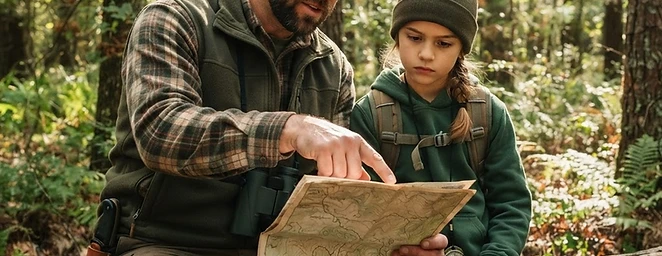
You and your child are tracking a deer that you have legally shot. As you follow the blood trail, you realize the deer has crossed onto a piece of land that is clearly posted with 'No Trespassing' signs.
What is the most ethical and accountable action to take in this situation?
STEP ONE FOR EVERY YOUNG HUNTER
Hunter Education comes first
Most states require a Hunter Education certificate before a young hunter can buy a license, and it is the most important training your child will get. The Academy builds the habits at home. Your state's official course makes them count.
HUNTING SAFETY EDUCATION · AGES 5-17
RAISE A SAFE, CONFIDENT YOUNG HUNTER.
Guide your kids through interactive hunting safety missions, real decision drills, and earned trophies. One payment, no subscription.