
NOVEMBER 6, 2026
Teaching Young Hunters the Importance of Ethical Wildlife Stewardship and Resource Management
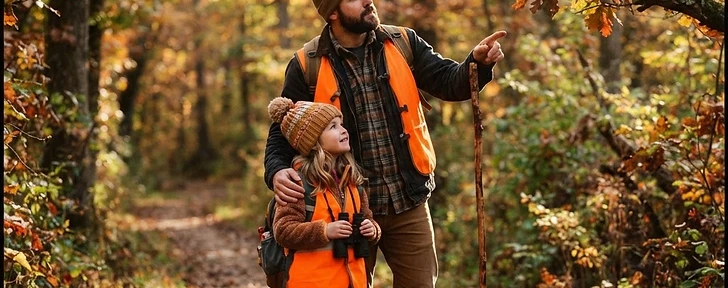
Understanding Stewardship in Hunting
For many, hunting is often simplified into the act of harvesting game. However, for parents mentoring a young hunter, the true value of the sport lies in stewardship. Ethical wildlife stewardship is the cornerstone of responsible hunting. It is the understanding that hunters are not just participants in nature, but active guardians of the ecosystems they enjoy. Teaching your child that hunting is a partnership with the land is essential for raising a conservation-minded adult.
The Role of the Hunter in Conservation
When we introduce children to the woods, we have the unique opportunity to explain how hunting dollars—through license fees and excise taxes on equipment—directly fund wildlife conservation projects across the country. This "user-pay, public-benefit" system ensures that habitat is restored and populations remain stable. Helping your child understand this cycle turns a simple outing into a lesson on civic duty.
- Habitat Preservation: Discuss why we leave some areas undisturbed.
- Species Monitoring: Encourage your child to notice the health of the local population.
- Waste Reduction: Emphasize the importance of using as much of the harvested animal as possible.
Practical Lessons on Resource Management
Resource management is not just a concept for scientists; it is something a child can practice every time they step outside. You can start small by teaching them about the balance of local ecosystems. Explain that wildlife populations have "carrying capacities," and that ethical hunting helps keep these numbers in a healthy range for the food and space available.
Cultivating a Respectful Connection
Respect for the animal is perhaps the most significant lesson in stewardship. This begins long before the hunt. It involves teaching children to recognize and appreciate the animal’s place in the food chain. When a youth hunter understands that every deer, bird, or small game animal plays a vital role in the environment, their approach to the harvest becomes far more thoughtful and solemn.
Leading by Example
As a parent, your actions speak louder than your words. If your child sees you picking up litter, following game laws strictly, and speaking respectfully about the animals you encounter, they will model those same behaviors. Show them that a successful hunt is measured not just by the game in the pack, but by the integrity maintained throughout the process.
- Field Ethics: Model patience and restraint in every scenario.
- Continuous Learning: Always read the latest regulations together.
- Appreciation: Take time to identify plants, tracks, and non-game species during your scouting trips.
Building a Future-Focused Mindset
When we talk about resource management, we are talking about the legacy we leave behind. Ask your child questions like, "What would happen if we didn't look after this land?" or "How does our presence today affect the wildlife tomorrow?" These inquiries foster critical thinking and help them internalize their responsibility as a steward. They begin to see themselves as part of a long-standing tradition that values the survival of the species over the quick thrill of the harvest.
By emphasizing these values early, you are not just teaching a child to hunt; you are raising a partner in conservation who will protect our outdoor heritage for years to come. Remember, the journey of safety and ethics is ongoing. At BHH Youth Hunters Academy, we provide age-matched safety lessons and curriculum designed to help parents and children navigate these complex topics together. Start your journey with us today to ensure your child is prepared for a lifetime of ethical, safe, and responsible time in the field.
TRY IT — A REAL ACADEMY DECISION DRILL
The Stewardship Decision

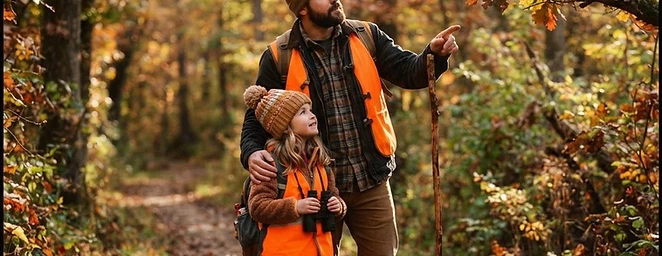
You and your child are scouting a public hunting area. Your child notices a significant amount of trash left behind by a previous visitor near a popular watering hole that attracts wildlife.
How do you handle this discovery with your young hunter?
STEP ONE FOR EVERY YOUNG HUNTER
Hunter Education comes first
Most states require a Hunter Education certificate before a young hunter can buy a license, and it is the most important training your child will get. The Academy builds the habits at home. Your state's official course makes them count.
HUNTING SAFETY EDUCATION · AGES 5-17
RAISE A SAFE, CONFIDENT YOUNG HUNTER.
Guide your kids through interactive hunting safety missions, real decision drills, and earned trophies. One payment, no subscription.