
OCTOBER 30, 2026
Teaching Young Hunters the Importance of Ethical Wildlife Stewardship and Resource Management
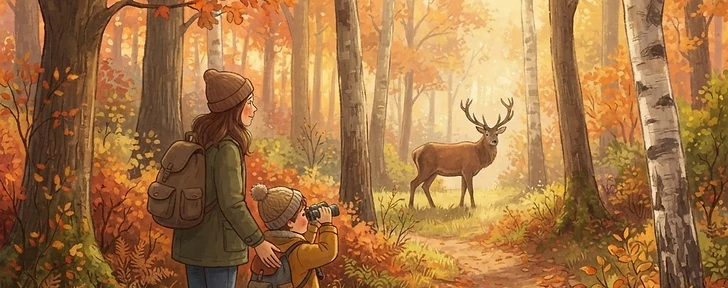
Raising the Next Generation of Wildlife Stewards
Hunting is about far more than the harvest; it is a profound responsibility toward the natural world. As parents, introducing our children to the outdoors offers a unique opportunity to teach them that they are not just observers of nature, but active participants in its health and survival. When we talk about wildlife stewardship, we are teaching our children to respect the balance of our ecosystems and to treat our natural resources as a heritage to be protected.
Understanding the Hunter's Role in Conservation
One of the most important lessons a young hunter can learn is that hunters are the primary funders and drivers of wildlife conservation. Through the purchase of licenses, tags, and excise taxes on equipment, the hunting community provides the vast majority of funding for state and federal wildlife agencies. Explain to your child that every time you head into the field, you are contributing to a legacy that keeps habitats pristine and species populations healthy.
When children understand that their participation supports the very animals they admire, their perspective on the hunt shifts from a focus on the outcome to a focus on the ecosystem. This shift is the foundation of ethical, responsible hunting.
Practical Ways to Practice Stewardship in the Field
Stewardship starts with small, daily habits in the woods. These actions help children develop a 'land ethic'—a concept famously introduced by Aldo Leopold—which encourages us to see ourselves as members of the biotic community rather than its conquerors.
- Habitat Restoration: Take time during your scouting trips to clear trash from public lands or remove invasive plant species. Showing your child that we 'give back' more than we 'take' leaves a lasting impression.
- Resource Sensitivity: Teach your child to minimize their footprint. This means sticking to established trails, being mindful of where they step to protect native flora, and avoiding sensitive areas during critical nesting or fawning seasons.
- Selective Harvesting: Discuss the role of harvest management. Explain that hunting is a tool for maintaining healthy population densities that the land can support, which prevents overgrazing and disease.
- Observation Over Action: Encourage your child to spend time simply observing wildlife without the intent to harvest. Recognizing animal behaviors and family dynamics fosters a deeper emotional connection to the species.
The Connection Between Ethics and Stewardship
Ethical behavior is the outward expression of good stewardship. When a young hunter demonstrates patience, follows game laws, and treats the animal with respect, they are honoring the role of a steward. Encourage your child to journal about their experiences. Ask them to write about not just the animals they see, but the state of the woods, the changes they notice across seasons, and how they feel about the responsibility of being a hunter.
By framing every outing as a lesson in stewardship, you help your child develop a sense of duty that will last well into their adult years. It turns every hunting trip into a service project for the planet.
Start Your Conservation Journey Today
Developing a strong ethical foundation is a journey you and your child take together. At BHH Youth Hunters Academy, we provide age-appropriate, structured lessons designed to help parents guide their children through these complex concepts. Start your child's safety and ethics education with our comprehensive curriculum today, and build a tradition of stewardship that will last for generations.
TRY IT — A REAL ACADEMY DECISION DRILL
The Litter Dilemma

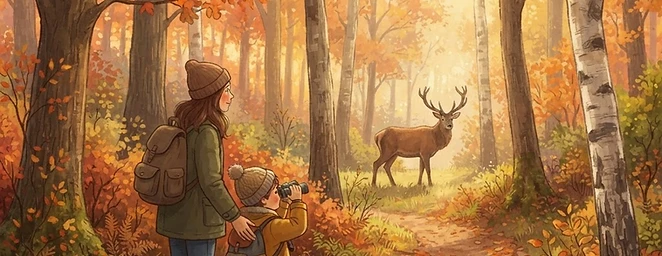
While walking to your favorite deer stand, you and your child discover a significant amount of trash left behind by a previous visitor on public land. Your child asks if they should pick it up or just keep walking to the stand because you are running late for prime time.
What is the best way to handle this situation as a mentor?
STEP ONE FOR EVERY YOUNG HUNTER
Hunter Education comes first
Most states require a Hunter Education certificate before a young hunter can buy a license, and it is the most important training your child will get. The Academy builds the habits at home. Your state's official course makes them count.
HUNTING SAFETY EDUCATION · AGES 5-17
RAISE A SAFE, CONFIDENT YOUNG HUNTER.
Guide your kids through interactive hunting safety missions, real decision drills, and earned trophies. One payment, no subscription.