
 BHH YOUTH HUNTERS ACADEMYBHH ACADEMY
SEPTEMBER 30, 2026
Teaching Young Hunters the Importance of Ethical Wildlife Stewardship and Conservation

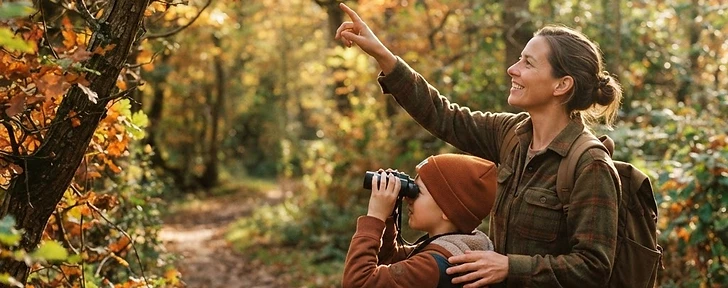
Raising the Next Generation of Guardians
Hunting is far more than just a pursuit of game; it is a profound connection to the natural world and a responsibility to act as a steward of the environment. For many young hunters at BHH Youth Hunters Academy, the journey begins with the excitement of the hunt, but the true mark of a sportsman is the understanding of conservation. Teaching your child that they are a guardian of the forest is one of the most impactful lessons you can impart.
Understanding Wildlife Stewardship
Stewardship is the act of taking care of something for the future. In the context of hunting, it means ensuring that wildlife populations and their habitats remain healthy and abundant for generations to come. When children understand that hunting helps manage ecosystems, they move from being mere participants to being active contributors to conservation efforts.
Start by discussing how hunting fees and tags directly fund state wildlife agencies. These agencies use those funds for land acquisition, habitat restoration, and biological research. When a child buys their first hunting license, explain that they are now an investor in the future of the species they hope to hunt.
Promoting Habitat Ethics
Wildlife cannot thrive without healthy land. You can teach your child to look at the woods not just as a place to find game, but as a complex ecosystem that requires protection.
- Leave No Trace: Practice strict adherence to Leave No Trace principles, ensuring that everything carried into the field is carried out.
- Respecting Native Flora: Teach your child to identify native plants and avoid damaging sensitive brush or disturbing natural ground cover.
- Reporting Issues: If you encounter illegal dumping, invasive species, or damaged fences on public land, show your child how to report these to the appropriate local land managers.
The Concept of Fair Chase and Population Management
Conservation is deeply tied to the philosophy of Fair Chase. Fair Chase dictates that the hunter must provide the game an opportunity to escape. It is about balancing the challenge of the hunt with the biological reality of the animal.
Explain to your child that biologists use hunting as a tool to keep wildlife populations in balance with the carrying capacity of the land. When we take a limited number of animals, we prevent overpopulation, which can lead to disease, malnutrition, and starvation within the herd. Framing the harvest as a biological necessity helps young hunters process the emotional weight of taking an animal while maintaining deep respect for the life they are taking.
Practical Ways to Practice Conservation at Home
Conservation isn't limited to the woods. You can foster these values year-round:
- Plant Native Species: Create a small pollinator garden or plant trees that provide food and cover for local wildlife in your backyard.
- Clean-Up Days: Participate in local community stream or trail clean-up events together. Seeing the difference a few hours of work can make instills pride in land ownership and care.
- Wildlife Monitoring: Use trail cameras or field journals to track wildlife behavior. Learning about the daily lives of animals outside of hunting season encourages observation and curiosity rather than just focusing on the harvest.
Preparing for the Future
As parents, we have the unique opportunity to shape the character of the next generation of outdoorsmen and women. By centering our conversations around stewardship and ethics, we ensure that our children grow up with a deep-seated respect for the animals they pursue. When they understand the 'why' behind the regulations and the 'how' behind habitat protection, they become better hunters and better citizens.
Ready to dive deeper into these values? Start your journey with your child today through the age-matched safety and ethics lessons at BHH Youth Hunters Academy. Together, we can build a future where hunting remains a cherished, responsible tradition.
TRY IT — A REAL ACADEMY DECISION DRILL
The Conservation Decision
While walking to your hunting spot, you and your child notice a large pile of trash, including plastic bottles and old metal, left behind by someone else in a sensitive wildlife habitat area.
What is the best way to handle this situation as a steward of the land?
HUNTING SAFETY EDUCATION · AGES 5-17
RAISE A SAFE, CONFIDENT YOUNG HUNTER.
Guide your kids through interactive hunting safety missions, real decision drills, and earned trophies — all from one free parent account.