
NOVEMBER 9, 2026
Teaching Young Hunters the Importance of Ethical Wildlife Identification and Species Stewardship
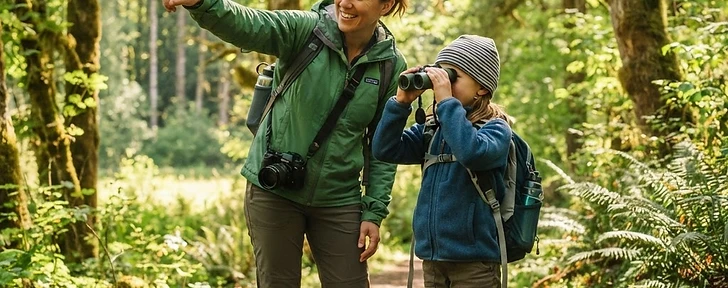
Understanding the Role of the Modern Young Hunter
For many young hunters, the thrill of the hunt begins with the anticipation of seeing wildlife in their natural habitat. However, the true essence of ethical hunting goes far beyond the harvest; it begins with the ability to accurately identify species and understand the ecological role they play. At BHH Youth Hunters Academy, we believe that education is the foundation of a lifelong commitment to conservation and respect for our natural resources.
The Foundation: Accurate Species Identification
Before a young hunter ever steps into the field, they must develop the skills to distinguish between different species, sexes, and age classes. Misidentification can lead to legal complications, but more importantly, it can result in the accidental harvesting of the wrong animal or a non-target species.
Parents can start this journey at home by using field guides, local wildlife apps, or even simple observational walks in a local park. Ask your child to look for specific markers:
- Size and Body Shape: Look at the proportions of the head, legs, and overall mass.
- Coloring and Markings: Pay attention to coat patterns, patches, and seasonal color changes.
- Movement Patterns: Notice how the animal carries its head, how it moves through brush, and its reaction to human presence.
- Tracks and Scat: Learn to identify presence based on signs left behind, which reinforces the habit of looking at the environment, not just the animal.
Ethical Stewardship and Wildlife Conservation
Teaching a child to identify wildlife is an act of stewardship. When a young hunter understands the life cycle, habitat needs, and population dynamics of the game they pursue, they transform from a consumer of the resource into a protector of it.
Explain to your child that every animal serves a purpose in the ecosystem. By understanding these roles, children learn that hunting is a privilege that comes with the responsibility of ensuring the health of the population for future generations. Discuss why we follow bag limits and why selective harvest, when applicable, is a vital tool for wildlife management.
Developing the 'Observation First' Mindset
One of the most effective ways to build ethical decision-making is by cultivating an 'observation first' mindset. Encourage your child to spend time watching wildlife through binoculars without the pressure of a potential shot. This builds patience and allows them to observe behaviors in a calm, controlled environment.
When they spend more time observing than actively hunting, they learn to appreciate the animal as a living creature, which fosters a deeper emotional connection to the sport. This bond is essential for developing the respect necessary to be an ethical hunter. If your child cannot positively identify the species and its characteristics, the rule should always be: keep your firearm safe and simply observe.
Engaging the Next Generation
Learning to identify wildlife is a collaborative journey between you and your child. By taking the time to share your knowledge, you are passing down a tradition that is built on integrity and sound judgment. Remember that your child looks to you as their primary mentor; if you model careful, patient identification, they will mirror that caution.
Safety, ethics, and knowledge are the three pillars of the BHH Youth Hunters Academy methodology. Whether you are exploring public lands or private acreage, the goal is always to cultivate a child who respects the wildlife and the rules that protect them.
Ready to dive deeper into the essential lessons that will keep your family safe and ethical in the woods? Start your journey today with age-matched safety lessons and curriculum at BHH Youth Hunters Academy.
TRY IT — A REAL ACADEMY DECISION DRILL
The Uncertain Silhouette

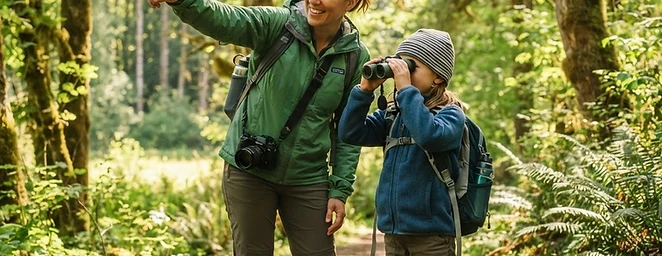
You and your child are sitting in a ground blind at dusk. A movement occurs in the thick brush about 50 yards away. It is low-light, and your child cannot definitively confirm if the movement is a legal buck or a smaller, non-legal animal.
What is the most ethical and safe decision for your child to make in this situation?
STEP ONE FOR EVERY YOUNG HUNTER
Hunter Education comes first
Most states require a Hunter Education certificate before a young hunter can buy a license, and it is the most important training your child will get. The Academy builds the habits at home. Your state's official course makes them count.
HUNTING SAFETY EDUCATION · AGES 5-17
RAISE A SAFE, CONFIDENT YOUNG HUNTER.
Guide your kids through interactive hunting safety missions, real decision drills, and earned trophies. One payment, no subscription.