 BHH YOUTH HUNTERS ACADEMYBHH ACADEMY
SEPTEMBER 27, 2026
Teaching Young Hunters the Importance of Emergency Field Preparedness
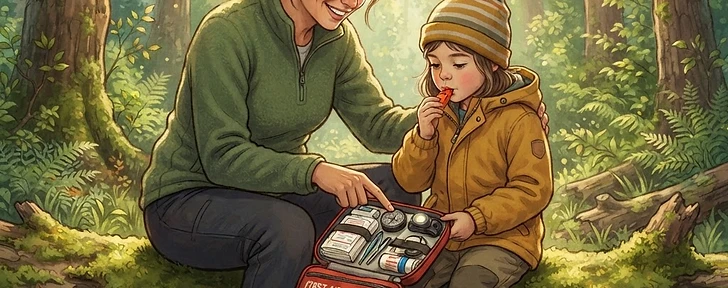
Why Emergency Preparedness Matters for Young Hunters
Venturing into the woods with your child is one of the most rewarding experiences a parent can facilitate. However, the wilderness is unpredictable. While we emphasize safe firearm handling and ethical harvesting, true hunter safety extends to being prepared for the 'what ifs.' Teaching your child how to handle minor emergencies—from a twisted ankle to unexpected weather shifts—is a critical component of their development as a self-reliant outdoorsman or outdoorswoman.
The Philosophy of 'Stay Found'
Before ever setting foot in the field, young hunters must understand the importance of situational awareness. Being prepared starts with a mindset of vigilance. Encourage your child to constantly observe the environment: look at the direction of the sun, note unique landmarks, and periodically check the surroundings to understand their path back to the vehicle or base camp. If a hunter knows where they are, they are much less likely to face a true emergency.
Building a Kid-Friendly Emergency Kit
Part of teaching responsibility is involving your child in the packing process. Instead of simply handing them a survival kit, build one together. Explain the purpose of every item. A basic youth field-safety kit should include:
- A Reliable Whistle: A loud, high-pitched whistle carries further than the human voice and saves energy during a search.
- Bright Signaling Cloth: A piece of high-visibility blaze orange fabric can be tied to a tree to mark a location.
- A Compact First-Aid Kit: Include antiseptic wipes, various sizes of bandages, and blister prevention tape.
- Fire Starter: Even if they aren't 'lighting a fire' alone, teaching them the components of warmth is vital.
- A Small Flashlight or Headlamp: Ensure they know how to operate the buttons before you leave home.
Developing a 'Stop and Think' Protocol
If a situation arises where your child feels lost or overwhelmed, the most important lesson is to stop moving. Adrenaline can lead to panicked running, which only complicates a rescue scenario. Teach your child the acronym S.T.O.P.:
- S - Sit: Immediately find a comfortable spot and sit down to calm your heart rate.
- T - Think: Where were you last confident in your location? What did you see?
- O - Observe: Look for landmarks. Listen for the sounds of camp, water, or the road.
- P - Plan: Decide your next move based on your surroundings. If you are lost, stay put—this is the golden rule.
Practicing Scenarios at Home
Safety is a muscle that must be exercised. You don't need to be in the deep wilderness to practice. Use your backyard or a local park to set up simple drills. Ask your child what they would do if they realized their gear was missing, or how they would use their whistle if they were separated by a short distance. By normalizing these conversations, you remove the fear associated with emergencies and replace it with a calm, analytical approach.
Empowering Your Child at BHH Youth Hunters Academy
Safety is not a one-time lesson; it is an ongoing conversation. At BHH Youth Hunters Academy, we provide structured, age-appropriate curriculum designed to help parents and children navigate these complex topics together. From foundational safety to advanced field ethics, our platform ensures you have the tools needed to raise a confident, prepared, and ethical hunter. Visit our website today to start your next age-matched safety module and secure your child's future in the great outdoors.
TRY IT — A REAL ACADEMY DECISION DRILL
The Disorientation Drill

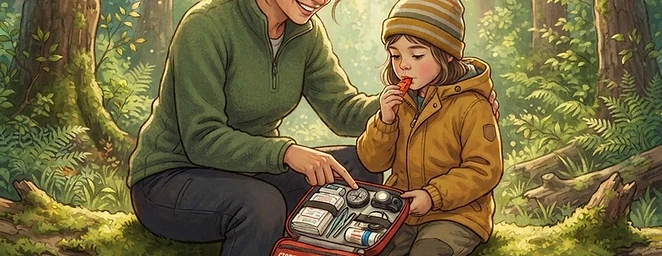
You and your child are hiking to your hunting blind. Suddenly, the path splits, and you realize you aren't sure which trail you took. Your child looks at you and asks, 'Should we run down the left path to see if we see the truck?'
What is the best way to respond to your child's suggestion to start running?
HUNTING SAFETY EDUCATION · AGES 5-17
RAISE A SAFE, CONFIDENT YOUNG HUNTER.
Guide your kids through interactive hunting safety missions, real decision drills, and earned trophies — all from one free parent account.