
SEPTEMBER 21, 2026
Teaching Young Hunters the Fundamentals of Ethical Field Dressing
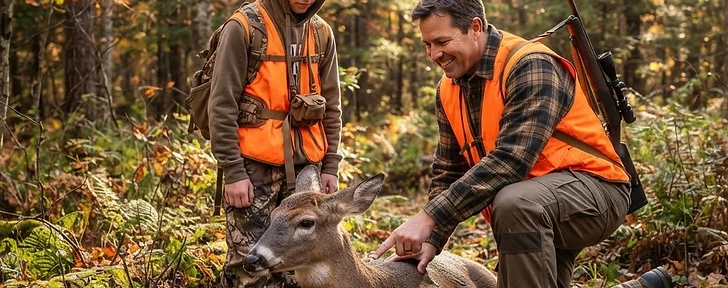
Introduction to Field Dressing
Field dressing is a critical skill in the hunting tradition, representing the bridge between a successful harvest and the dinner table. For young hunters, the process can be both educational and intimidating. At BHH Youth Hunters Academy, we believe that teaching kids how to handle this responsibility is not just about anatomy; it is about cultivating deep respect for the animal and the meat they will eventually consume. By guiding your child through the process with patience and clarity, you turn a chore into a foundational lesson in ethics and food sourcing.
Prioritizing Safety First
Before ever picking up a knife, safety must be the primary focus. Field dressing requires sharp tools, and the combination of adrenaline and fatigue can lead to accidents.
- Knife Safety: Always ensure your child understands that they must cut away from their body, not toward it.
- Tool Selection: Provide your child with a knife that is ergonomically sized for their hands, rather than an oversized adult blade.
- Protective Gear: Encourage the use of cut-resistant gloves to protect against accidental nicks while working on internal areas.
- Sanitation: Always carry high-quality wet wipes or water to clean hands and tools, emphasizing the importance of food hygiene.
The Anatomy of Respect
When you begin the process, talk to your child about the animal's biology. Explain the function of the vital organs and why cooling the carcass quickly is essential for preserving the quality of the venison. When children understand that the meat is a gift, they are much more likely to handle the animal with care rather than treating it like an object. Frame the conversation around gratitude. If they seem hesitant or squeamish, that is perfectly normal. Start by having them observe, then assist with minor tasks, and eventually guide them through the entire process as their confidence grows.
Steps to Ethical Field Dressing
- Preparation: Ensure you have your kit ready, including your knife, a bone saw if necessary, game bags, and sanitation supplies.
- The Initial Approach: Always confirm the animal is deceased by checking the eye reflex with a stick before approaching.
- Clear Communication: Narrate every action you take. Explain the "why" behind each cut, such as avoiding the scent glands to keep the meat clean.
- The Cleanup: Leave the field exactly as you found it. Explain to your child that hunters are stewards of the land and that leaving behind trash or entrails in inappropriate areas is a violation of the hunting code of ethics.
Why This Matters
When children participate in field dressing, they gain an appreciation for where their food comes from. They learn that hunting is not just about the shot; it is a full-cycle responsibility that requires preparation, discipline, and a clean environment. This experience reinforces the connection between the wilderness and the kitchen, helping them develop into well-rounded, ethical sportsmen and sportswomen.
Remember to check your state wildlife agency guidelines for any specific regulations regarding field dressing or carcass disposal in your local area. Every state has unique rules, and knowing them is part of being an informed hunter. When you are ready to expand your child’s knowledge of hunting safety and ethics, explore the age-matched safety lessons available at BHH Youth Hunters Academy. We are here to support your family's journey into the outdoors every step of the way.
TRY IT — A REAL ACADEMY DECISION DRILL
The Field Dressing Decision

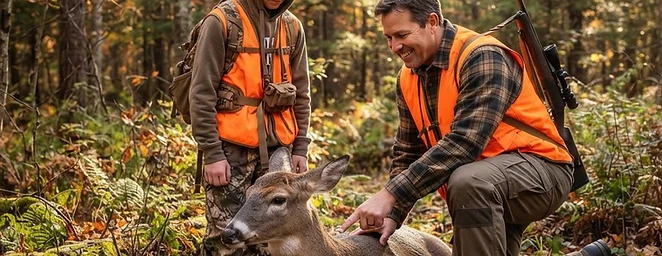
You and your child have just successfully harvested a deer. Your child is eager to start field dressing, but they are holding their knife with a loose grip and starting to cut toward their own thumb while trying to open the cavity.
What is the most immediate and responsible action to take in this moment?
STEP ONE FOR EVERY YOUNG HUNTER
Hunter Education comes first
Most states require a Hunter Education certificate before a young hunter can buy a license, and it is the most important training your child will get. The Academy builds the habits at home. Your state's official course makes them count.
HUNTING SAFETY EDUCATION · AGES 5-17
RAISE A SAFE, CONFIDENT YOUNG HUNTER.
Guide your kids through interactive hunting safety missions, real decision drills, and earned trophies. One payment, no subscription.