
NOVEMBER 2, 2026
Teaching Young Hunters the Fundamentals of Ethical and Safe Wildlife Habitat Appreciation
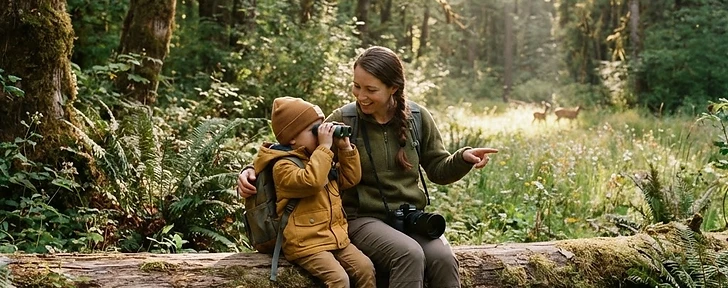
Understanding the Ecosystem: More Than Just the Harvest
When we introduce our children to the outdoors, the excitement often centers on the hunt itself. However, true sportsmanship is built on a foundation of deep respect for the environment. Teaching your young hunter to view the woods not just as a hunting ground, but as a complex, living ecosystem, is one of the most rewarding aspects of mentorship. By fostering a sense of habitat appreciation, you help your child move beyond the 'trophy' mindset and toward a lifelong commitment to wildlife conservation.
The Role of the Young Steward
Conservation begins with observation. When you are in the field with your child, take the time to pause and examine the world around you. Encourage them to notice how the vegetation supports different species, how water sources draw wildlife, and how the seasons change the behavior of the animals you seek. This connection to the land helps young hunters understand that the health of the game they pursue is directly tied to the health of the habitat.
Core Lessons in Habitat Respect
To help your child become a mindful steward of the woods, focus on these fundamental principles:
- Observe, Don't Disrupt: Teach your child to observe animals without leaving a trace of their presence. Explain that nesting sites, dens, and bedding areas should remain undisturbed to protect the well-being of the inhabitants.
- The Value of Native Flora: Spend time identifying local plants and trees. Understanding why certain oak trees produce the acorns that feed deer, or why specific thickets provide cover for small game, builds a practical knowledge base that serves them for a lifetime.
- Practicing Minimum Impact: Even simple actions like staying on designated trails, packing out all litter (including gear scraps or snack wrappers), and avoiding the trampling of delicate vegetation teach children that their presence in the woods comes with a responsibility to minimize harm.
Ethical Interaction and Safety
Appreciating habitat also means knowing your boundaries. An ethical hunter understands that their role is that of a guest in the animal’s home. This perspective naturally reinforces safety. When a child values the habitat, they become more aware of the surroundings—they look for hazards, they practice noise discipline to avoid disturbing the area, and they take care to ensure that any action they take is done with precision and respect.
Always remind your child that local regulations are in place to ensure that these habitats remain productive for future generations. Encourage them to ask questions about the 'why' behind state wildlife agency rules—they are almost always designed to protect the very environments we enjoy.
Encouraging Lifelong Curiosity
As your child grows, their understanding of the outdoors will evolve. Encourage them to keep a field journal where they can sketch or describe the unique habitats they encounter. This practice not only sharpens their observational skills but also anchors their experiences in a meaningful way. Whether it is noticing the recovery of a forest after a fire or the return of migratory birds to a wetland, these moments of discovery are what turn a casual outing into a passion for conservation.
By prioritizing this connection, you are doing more than teaching a child how to hunt; you are raising a guardian of the wild. Safety and ethics are not just about firearms and field gear; they are about the values we carry into the woods. Start your journey today with age-matched, comprehensive safety lessons at BHH Youth Hunters Academy, where we provide the tools to help you and your child grow as partners in conservation.
TRY IT — A REAL ACADEMY DECISION DRILL
Make the Call: The Discovery

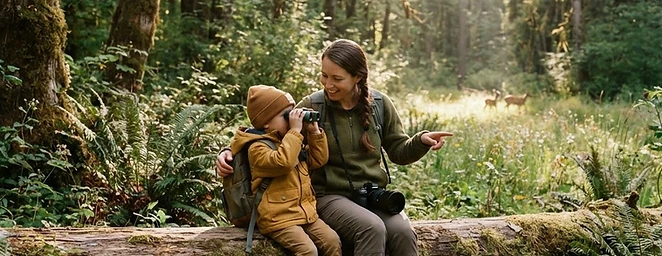
You and your child are walking to your stand and discover a hidden, inactive animal den near a high-traffic trail that you usually walk on. Your child suggests you move some rocks and logs around the entrance to see if anything is inside or to 'make it look better'.
How do you guide your child in this moment?
STEP ONE FOR EVERY YOUNG HUNTER
Hunter Education comes first
Most states require a Hunter Education certificate before a young hunter can buy a license, and it is the most important training your child will get. The Academy builds the habits at home. Your state's official course makes them count.
HUNTING SAFETY EDUCATION · AGES 5-17
RAISE A SAFE, CONFIDENT YOUNG HUNTER.
Guide your kids through interactive hunting safety missions, real decision drills, and earned trophies. One payment, no subscription.