
OCTOBER 29, 2026
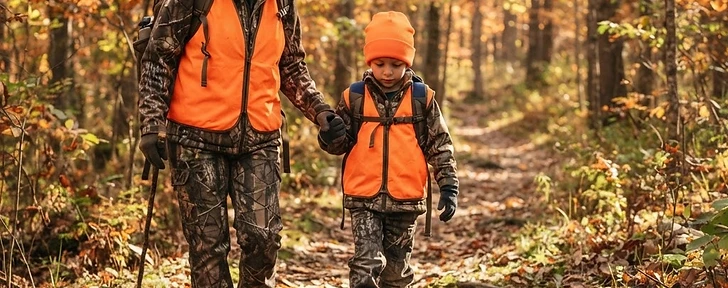
Teaching Young Hunters the Fundamentals of Ethical and Safe Stealth Movement
Why Stealth Matters in the Field
For many young hunters, the excitement of being in the woods often leads to heavy footsteps and rustling gear. While we want children to enjoy the experience, learning to move with intention is a cornerstone of both success and safety. Stealth movement is not just about getting closer to game; it is about becoming a part of the environment, which keeps the hunter alert and observant of their surroundings. When a child focuses on how they step, they are naturally more attentive to the landscape, which is a vital safety skill.
The Anatomy of a Quiet Approach
Teaching stealth begins with the basics of biomechanics. Encourage your young hunter to consider how they place their feet. Instead of striking the ground with the heel—which creates a loud thud—teach them to roll their foot from toe to heel. This motion allows them to feel for obstacles, like dry twigs or loose stones, before fully committing their weight to a step.
Key Techniques for Silent Stalking
- Slow and Steady: Remind your child that moving slowly is better than moving fast. A good rule of thumb is to take three steps, then pause and scan the environment for ten seconds.
- The "Look Down, Look Up" Rule: Before moving into a new area, the hunter should scan the ground to clear a path and then scan the horizon for wildlife or potential hazards.
- Gear Management: Ensure all equipment is secured. Dangling binocular straps, noisy zippers, or loose water bottles are common culprits for 'field noise.' Use silent magnetic closures or tape down loose straps to prevent clatter.
- Wind Awareness: Stealth is ineffective if the wind is carrying the hunter's scent toward the game. Always check the wind direction before choosing a path.
Integrating Safety into Every Movement
While stealth is the goal, safety is the priority. Never allow the desire for silence to compromise situational awareness. A young hunter should never focus so intently on their feet that they lose track of their hunting partner or their target backstop. When teaching these techniques, emphasize that if they are ever in doubt about what they see or hear, they must stop moving immediately and check in with their mentor.
Stealth movement also provides a fantastic opportunity to discuss 'wildlife awareness.' By moving silently, young hunters will see more animals in their natural, undisturbed state. This provides a better educational experience, as kids can observe behaviors that are otherwise hidden by loud footsteps. Use these moments to discuss why we hunt ethically and why we prioritize observing the animal's behavior before ever considering a shot.
Practice Makes Perfect
Before heading into the deep woods, hold a 'stealth training session' in your own backyard or a local park. Lay out a path and challenge your child to walk it without snapping a single twig. By turning movement into a game of skill, you build their confidence and muscle memory in a low-pressure environment.
Remember, your role as a mentor is to model this behavior. When you are in the field, demonstrate the slow-motion, methodical walk. Narrate your own movements: 'I am choosing to step on this patch of moss because it is softer than the gravel.' This verbal instruction helps the child understand the decision-making process behind silent movement.
Begin Your Safety Journey Today
Teaching your child to move safely and quietly in the woods is a lifelong skill that rewards both the hunter and the conservationist. At BHH Youth Hunters Academy, we provide age-matched safety lessons that make these complex skills easy to teach and fun to learn. Visit our platform today to start your child's hunter education journey with confidence, ensuring they develop the habits that make for a responsible and successful outdoorsman or woman.
TRY IT — A REAL ACADEMY DECISION DRILL
The Stealth Dilemma

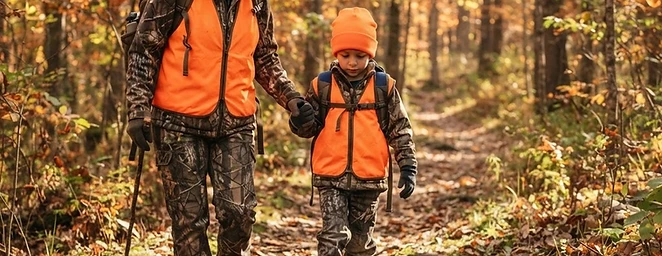
You and your child are stalking toward a clearing where you suspect a deer is feeding. The terrain is covered in dry, brittle leaves that crunch loudly with every step. Your child wants to run quickly across the noisy patch to get into position.
What is the correct way to handle this situation?
STEP ONE FOR EVERY YOUNG HUNTER
Hunter Education comes first
Most states require a Hunter Education certificate before a young hunter can buy a license, and it is the most important training your child will get. The Academy builds the habits at home. Your state's official course makes them count.
HUNTING SAFETY EDUCATION · AGES 5-17
RAISE A SAFE, CONFIDENT YOUNG HUNTER.
Guide your kids through interactive hunting safety missions, real decision drills, and earned trophies. One payment, no subscription.