 BHH YOUTH HUNTERS ACADEMYBHH ACADEMY
OCTOBER 1, 2026
Teaching Young Hunters the Fundamentals of Ethical and Safe Scouting Practices
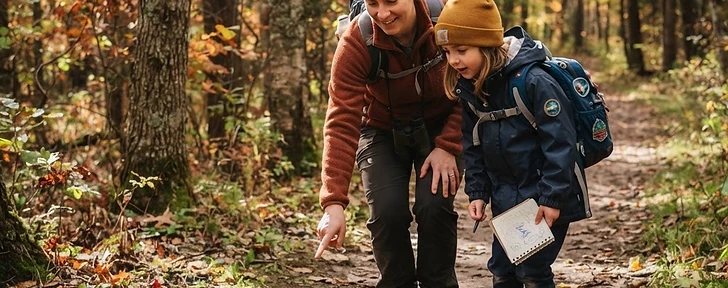
Why Scouting Matters for Young Hunters
Scouting is far more than just finding an animal to harvest. It is the art of reading the landscape, understanding wildlife behavior, and learning to appreciate the woods as a living, breathing ecosystem. For a young hunter, the time spent scouting is where they truly develop their 'woodsman's eye.' By involving your child in the scouting process, you turn a passive walk in the woods into an active lesson in conservation and patience.
Making Scouting a Family Safety Lesson
Before you even step into the timber, establish your safety expectations. Scouting often involves navigating off-trail, crossing streams, and traversing uneven terrain. Use these trips to teach your child how to:
- Check the Weather: Look at the forecast together before leaving home.
- Share the Plan: Always leave an itinerary with a trusted friend or family member.
- Carry Essentials: Even on a short scouting trip, carry a basic daypack with water, a small first-aid kit, and a whistle.
- Watch Their Step: Practice identifying hazards like loose rocks, slippery logs, or hidden holes that could lead to an injury.
The Ethics of Scouting
Ethical hunting starts long before the season opens. Scouting teaches children that their presence in the woods has an impact. Teach them to observe from a distance, minimizing their 'scent footprint' and noise levels. Emphasize that we are guests in the animals' home and that we should leave no trace of our visit. This builds a sense of responsibility and stewardship that will follow them throughout their lives.
Developing Their Observation Skills
Help your child develop their skills by asking guiding questions. Instead of pointing everything out, let them lead the way. Ask them:
- 'Based on the tracks we see, what do you think this animal was doing here?'
- 'Does the wind direction right now help us or hurt us if we were trying to be undetected?'
- 'What signs, like rubs, scrapes, or bedding areas, suggest this is a high-traffic spot?'
By engaging them in these observations, you are training their brain to process information logically rather than impulsively. This mental discipline is crucial for making good, ethical decisions when they are eventually in the field with a firearm or bow.
Understanding Wildlife Habits
Scouting is the perfect time to teach species-specific behavior without the pressure of a hunt. Take the time to explain why deer travel certain routes or why turkeys prefer specific roosting trees. When a child understands the 'why' behind animal behavior, they become much more effective and ethical hunters. They learn that every animal has a routine, and that success is often a result of preparation rather than luck.
A Shared Journey of Learning
Remember, your goal is to nurture a lifelong love for the outdoors. Keep these trips fun, educational, and low-pressure. If you aren't finding the signs you expected, use it as a teaching moment about how wildlife patterns change throughout the year. Every day in the woods is a success when your child learns something new about the natural world.
Ready to dive deeper into hunter safety? At BHH Youth Hunters Academy, we offer age-appropriate modules that help parents and kids master these skills together. Start your journey today and ensure your child is prepared for a lifetime of ethical, safe, and rewarding hunting experiences.
TRY IT — A REAL ACADEMY DECISION DRILL
The Scouting Discovery

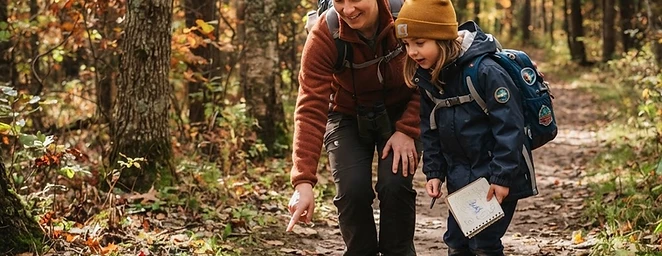
You and your child are scouting a new area and come across a beautiful, dense thicket. Your child wants to push deep into the center of the thicket to see if there is a deer bed, even though it looks difficult to navigate and involves climbing over some potentially unstable logs.
What is the best way to handle this situation while prioritizing safety and ethics?
HUNTING SAFETY EDUCATION · AGES 5-17
RAISE A SAFE, CONFIDENT YOUNG HUNTER.
Guide your kids through interactive hunting safety missions, real decision drills, and earned trophies — all from one free parent account.