
 BHH YOUTH HUNTERS ACADEMYBHH ACADEMY
SEPTEMBER 12, 2026
Teaching Young Hunters How to Navigate Terrain and Field Conditions Safely

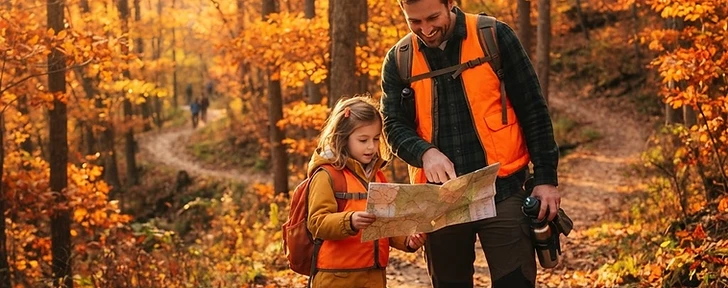
Introduction to Field Navigation for Youth Hunters
One of the most rewarding aspects of hunting with your child is exploring the wild together. However, the wilderness can be unpredictable. Teaching your young hunter how to read the landscape, understand terrain, and navigate safely is a foundational skill that goes beyond just finding a stand. It is about building their confidence and ensuring they can always find their way home.
Understanding Local Topography
Before heading out, spend time looking at topographical maps or digital satellite imagery with your child. Explain how contour lines work: lines close together mean a steep climb, while lines further apart indicate flatter ground. Discussing the terrain before you step into the woods helps your child visualize the elevation changes they will face.
Essential Navigation Tools
While modern GPS units and smartphone apps are incredibly helpful, they should never be the only tool in your kit. Teach your child that batteries can die and signals can be lost. Start them off with the basics:
- A Reliable Compass: Teach them how to orient a map to North.
- Natural Landmarks: Encourage them to identify "anchor points," such as unique rock formations, large oak trees, or specific creek bends.
- The 'Sun Compass': Teach them the general direction of sunrise and sunset to maintain a sense of cardinal direction throughout the day.
Safely Navigating Diverse Terrain
Every environment presents unique hazards. Whether you are hunting in dense forest, rocky ridges, or open marshland, your child needs to know how to move efficiently and safely.
Moving Through Dense Brush
In heavy cover, it is easy to become disoriented. Teach your child to maintain a visual line of sight with you at all times. If you are hunting in a pair, emphasize the importance of using whistles or specific non-verbal signals to maintain contact if visibility drops.
Traversing Steep Slopes
When moving up or down inclines, teach your child to take it slow. Emphasize three points of contact when moving over loose rock or slick mud. If you are carrying gear, ensure your child's load is light and manageable so it does not throw off their balance.
Crossing Waterways
Water crossings are common areas for slips and falls. Always scout the crossing point first. If the water is moving or the bottom is slippery, cross with them, keeping a firm grip on their gear or pack. Never rush a crossing; safety always takes precedence over getting to the stand on time.
The Importance of Situational Awareness
Navigation isn't just about the path; it's about paying attention to the changing environment. Teach your child to look back occasionally to see what the path looks like from the opposite direction. Landmarks often look entirely different when viewed from the other side, and this practice helps build a mental map of their route.
Encouraging Confidence and Responsibility
When your child feels capable of navigating their surroundings, their anxiety decreases and their focus on ethical hunting increases. Use these lessons to foster a sense of stewardship for the land. Remind them that by knowing their location, they are better able to protect the habitat they are moving through.
Always ensure you are familiar with the specific regulations of your area. For more structured learning, we invite you to start age-matched safety lessons with your child at BHH Youth Hunters Academy, where we provide the tools to help you build these skills together in a fun and safe environment.
TRY IT — A REAL ACADEMY DECISION DRILL
The Path Less Traveled
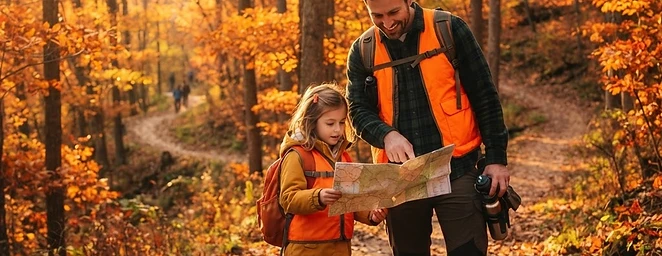
You and your child are hiking to your stand when you reach a small, fast-moving stream that wasn't on the map. The bank is muddy and steep. Your child suggests jumping across to save time.
What is the safest way to handle this situation?
HUNTING SAFETY EDUCATION · AGES 5-17
RAISE A SAFE, CONFIDENT YOUNG HUNTER.
Guide your kids through interactive hunting safety missions, real decision drills, and earned trophies — all from one free parent account.