 BHH YOUTH HUNTERS ACADEMYBHH ACADEMY
OCTOBER 4, 2026
Teaching Young Hunters the Importance of Ethical Wildlife Stewardship and Conservation
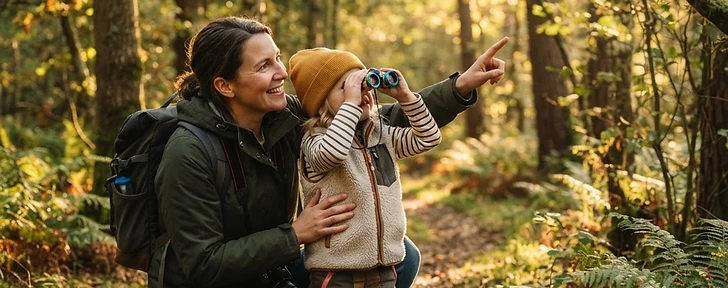
Beyond the Harvest: Fostering a Conservation Mindset
For many parents, the journey into hunting with their children begins with a focus on gear, safety, and marksmanship. While these technical skills are the bedrock of a safe experience, true hunter education goes deeper. At BHH Youth Hunters Academy, we believe the most important lesson a young hunter can learn is that they are a guardian of the land, not just a participant in a sport. Teaching your child about wildlife stewardship and conservation transforms hunting from a recreational activity into a profound lifelong responsibility.
Understanding the Hunter’s Role in Conservation
Many young children are surprised to learn that hunters are often the primary funders of conservation efforts. Helping your child understand how hunting license fees, excise taxes on equipment, and donations to groups like the Rocky Mountain Elk Foundation or Ducks Unlimited directly protect habitats is a great starting point. When a child realizes that their participation helps maintain healthy populations of deer, elk, and wild turkeys, they begin to see the bigger picture.
Practical Ways to Practice Stewardship in the Field
Stewardship isn't an abstract concept—it’s something you practice every time you step into the woods. Here are a few ways to model this behavior for your young hunter:
- Participate in Habitat Improvement: Whether it is planting food plots, installing wood duck boxes, or clearing invasive species from a family woodlot, hands-on work builds a sense of ownership over the health of the land.
- Respect Non-Game Species: Teach your child to observe the small things. Identifying songbirds, insects, or native wildflowers is just as important as identifying target species. It teaches respect for the entire ecosystem.
- Leave it Better Than You Found It: Make it a family tradition to carry a trash bag on every scouting trip. Picking up litter left by others is a tangible way to practice stewardship and respect for the environment.
- Ethical Observation: Practice the art of 'silent observation.' Teach your child to watch wildlife without disturbing their natural behaviors. This builds patience and a deeper appreciation for animal biology.
Teaching Respect for the Life Taken
Conservation also encompasses the ethical treatment of the animal after a successful shot. Discussing the importance of clean, quick harvests and the full utilization of the animal’s meat and hide reinforces the idea that life is precious. When a young hunter learns to process game with care and gratitude, they move away from seeing the animal as a trophy and toward seeing it as a gift from nature.
Start Their Journey with BHH Youth Hunters Academy
Instilling these values takes time, patience, and consistency. We are here to support your family every step of the way. Our curriculum is designed to help you and your child navigate the complexities of ethical hunting, from habitat management to fair chase principles. Begin your child’s journey today with age-matched safety and ethics lessons at BHH Youth Hunters Academy.
TRY IT — A REAL ACADEMY DECISION DRILL
The Conservation Mindset Test

You and your child are walking to your hunting blind when you notice a large amount of plastic litter and old beverage cans left behind by a previous visitor near a creek bed.
What is the most appropriate action for you and your child to take to demonstrate true wildlife stewardship?
HUNTING SAFETY EDUCATION · AGES 5-17
RAISE A SAFE, CONFIDENT YOUNG HUNTER.
Guide your kids through interactive hunting safety missions, real decision drills, and earned trophies — all from one free parent account.