
NOVEMBER 1, 2026
Teaching Young Hunters the Importance of Positive Target Identification
Why Positive Target Identification is the Foundation of Hunting Safety
For any parent introducing their child to the woods, safety is the primary concern. Among the essential skills in a young hunter's toolkit, none is more critical than positive target identification. It is the bedrock upon which all other safety rules are built. Before a child ever considers the shot, they must understand that once a projectile leaves the barrel, it cannot be called back. Teaching your young hunter to slow down, observe, and verify is the greatest gift you can provide to ensure a safe and ethical hunting experience for everyone.
Understanding the 'Identify, Then Decide' Mindset
Young hunters are often filled with excitement, which can lead to 'buck fever' or a rush to pull the trigger. Our goal as parents is to cultivate a mindset of calm, calculated observation. We teach children that the hunt is not about the harvest, but about the experience and the responsibility that comes with being a steward of the land.
To master positive target identification, start by teaching these core principles:
- Be 100% Certain: Never guess. If there is a shadow, a limb, or a movement that obscures the animal, you do not shoot.
- Know Your Target's Anatomy: Your child should be able to identify the specific species, gender (if required by regulations), and size of the animal before aiming.
- Scan the Background: The bullet or arrow doesn't stop at the target. Always confirm that there are no other hunters, homes, or livestock in the line of fire or in the area immediately behind the target.
- Wait for the Clear Shot: Ethical hunting is about taking high-percentage, clean shots. If the target isn't standing clearly, wait.
The Role of Optical Aids
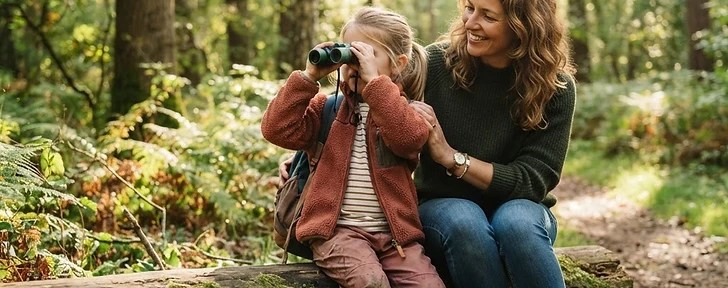
Many young hunters rely on their naked eye too early. Encourage your child to use binoculars to scan the landscape rather than their rifle scope. Using a scope to scan for game is a dangerous habit that violates the fundamental rule of never pointing a firearm at anything you do not intend to shoot. By mastering the use of optics, your child learns to identify wildlife safely from a distance, long before a firearm is even considered.
Practicing Identification at Home
You don't need to be in the field to practice identification. Use silhouette targets, wildlife photographs, or even stuffed animals placed at varying distances in your backyard. Ask your child to describe what they see. Ask them, 'Is this a buck or a doe?' 'What is behind the target?' 'Is it safe to shoot?' This builds the muscle memory of critical thinking that will serve them well when they are finally in the field.
Fostering Ethical Decision-Making
Ultimately, teaching your child to hold their fire when they are unsure is the true mark of a sportsman. Celebrate their restraint. When your child chooses not to shoot because the lighting was poor or the background was uncertain, praise them for their maturity. This reinforces that safety is a badge of honor, not a limitation. Always remember to check your local state wildlife agency regulations, as they provide specific guidelines on legal game identification requirements.
We encourage you to begin your journey toward safe and ethical hunting by enrolling in our age-matched safety lessons at BHH Youth Hunters Academy. Together, we can prepare the next generation to be safe, responsible, and ethical stewards of our hunting heritage.
TRY IT — A REAL ACADEMY DECISION DRILL
The Make the Call Drill: The Unclear Movement

You and your child are sitting in a blind. You hear a rustle in the thick brush about 50 yards away. Your child sees a dark shape moving, raises their rifle, and prepares to take a shot, but the animal is obscured by dense leaves.
What is the best immediate action for your young hunter to take?
STEP ONE FOR EVERY YOUNG HUNTER
Hunter Education comes first
Most states require a Hunter Education certificate before a young hunter can buy a license, and it is the most important training your child will get. The Academy builds the habits at home. Your state's official course makes them count.
HUNTING SAFETY EDUCATION · AGES 5-17
RAISE A SAFE, CONFIDENT YOUNG HUNTER.
Guide your kids through interactive hunting safety missions, real decision drills, and earned trophies. One payment, no subscription.