
NOVEMBER 5, 2026
Teaching Young Hunters the Importance of Hunting Ethics and Sustainable Stewardship
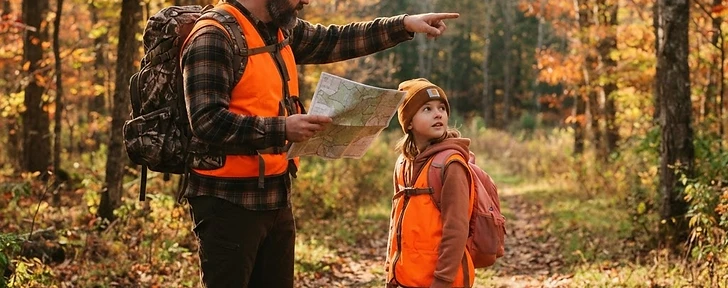
Raising the Next Generation of Ethical Stewards
Hunting is more than just a skill; it is a profound connection to the land and the wildlife we share it with. For parents at BHH Youth Hunters Academy, the goal is to cultivate a mindset where conservation and ethics are as important as technical accuracy. Teaching your child to be a steward of the environment helps them understand that their role as a hunter is to serve as a guardian of the resources they enjoy.
Understanding the Ethical Foundation
Ethical hunting is based on 'Fair Chase' principles and a genuine respect for the animal. It is about balancing our human needs with the health of the wildlife populations. When we teach children these concepts, we aren't just teaching them to be hunters; we are teaching them to be responsible citizens of the natural world.
Building Habits of Sustainable Stewardship
To raise a sustainable steward, focus on these three core areas:
- Resource Appreciation: Teach your child to value the habitat. Whether picking up litter on the trail or learning about the specific needs of local species, this fosters a sense of 'giving back' to the woods.
- Selective Harvesting: Discuss why we follow bag limits and why age-appropriate selection matters for herd health. Explain the science behind game management regulations.
- Full Utilization: Honor the animal by learning how to utilize as much of the harvest as possible. This process teaches children to never take an animal's life for granted.
The Role of Conservation in Daily Life
Sustainability isn't restricted to the field. Encourage your child to participate in local conservation efforts. This might include planting food plots, helping with wildlife counts, or supporting organizations that protect natural lands. When children see their parents advocating for habitat, they recognize that hunting is intrinsically linked to conservation.
Practical Ethics in the Field
When you are in the woods, emphasize that every action impacts the ecosystem. If you find a shed antler or a unique piece of sign, take the time to observe and document it rather than just consuming the experience. Encourage them to ask questions about why wildlife behave the way they do and how weather or seasonal shifts affect their survival.
Maintaining Fair Chase Standards
Fair chase ensures that the animal has a reasonable chance to escape. By teaching kids that the 'how' is more important than the 'what,' you instill a sense of pride in the challenge rather than the trophy. Always check your state wildlife agency regulations to ensure you and your child are fully compliant with local laws, as these are the first line of defense in sustainable management.
Start the Journey with Us
By prioritizing ethics and stewardship, you are setting your child up for a lifetime of rewarding experiences in the outdoors. At BHH Youth Hunters Academy, we provide the structured framework you need to make these lessons impactful and age-appropriate. Join our community of parents today and begin your child’s journey toward becoming a truly responsible and ethical hunter.
TRY IT — A REAL ACADEMY DECISION DRILL
The Question of Habitat Respect

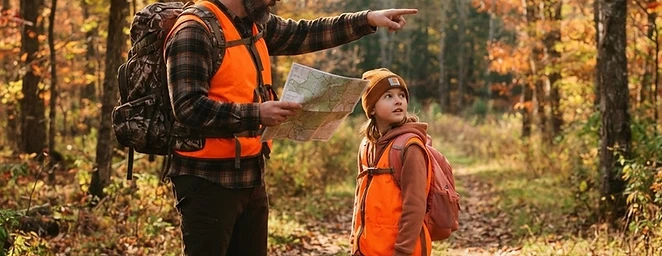
While walking to your tree stand, you and your child notice a significant amount of trash left behind by a previous visitor near a creek bank.
How should you proceed with your child in this moment?
STEP ONE FOR EVERY YOUNG HUNTER
Hunter Education comes first
Most states require a Hunter Education certificate before a young hunter can buy a license, and it is the most important training your child will get. The Academy builds the habits at home. Your state's official course makes them count.
HUNTING SAFETY EDUCATION · AGES 5-17
RAISE A SAFE, CONFIDENT YOUNG HUNTER.
Guide your kids through interactive hunting safety missions, real decision drills, and earned trophies. One payment, no subscription.