
AUGUST 6, 2026
Teaching Young Hunters How to Manage Gear and Essential Safety Equipment
Introduction to Gear Responsibility
When we think of youth hunting safety, our minds often jump to firearm handling and target identification. While those are paramount, there is a quieter, equally important aspect of a successful hunt: gear management. Teaching your child how to organize, carry, and maintain their equipment is more than just about convenience; it is a critical safety skill. A cluttered pack, dangling straps, or poorly secured gear can lead to trips, falls, or unintended equipment failure. By instilling these habits early, you help your child build the foundation of a disciplined, safety-conscious hunter.
The Philosophy of the 'Light and Right' Pack
One of the first lessons for a young hunter is that gear must serve a purpose. We often see kids carrying too much, which leads to fatigue and distraction—two significant contributors to accidents in the field. When packing for a hunt, sit down with your child and discuss the 'Why' behind every item. If they can’t explain why they are bringing it, they probably don’t need it.
Essential Gear Habits for Young Hunters
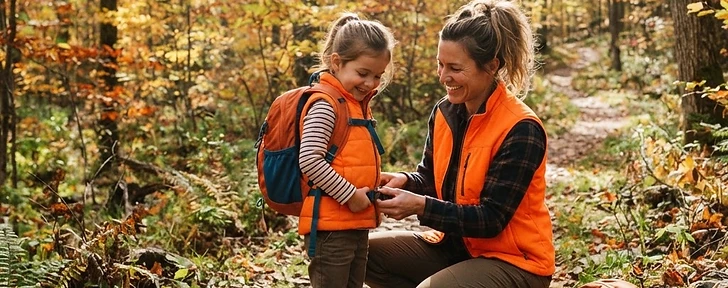
- Securing Straps: Dangling pack straps or binocular harnesses can snag on low-hanging branches or brush. Always ensure all straps are tightened and tucked away before moving.
- Sharp Object Protocol: Whether it is a field dressing knife or a small saw, these items must remain in their sheaths until they are needed for a specific task. Teach your child that a knife is 'live' only when being used for a deliberate purpose.
- Maintaining Center of Gravity: A heavy pack can throw off a young hunter’s balance on uneven terrain. Teach them to pack heavy items closer to their back and centered to avoid a pull that could lead to a fall.
Managing Equipment in the Field
As you navigate the woods, safety is found in the details. One common oversight is how equipment interacts with the environment. If your child is using a climbing stand or a ground blind, encourage them to maintain a 'clean floor' policy. Loose gear on the floor of a stand is a major tripping hazard. Everything should have a hook, a pocket, or a dedicated spot.
Furthermore, teach them to be mindful of gear placement when they stop to glass or rest. Items like rangefinders or calls should be tethered. A dropped piece of equipment is often a distracted hunter, and a distracted hunter is an unsafe hunter. When they drop something, they stop looking at the horizon and start looking at their feet, which is when they lose situational awareness.
The Role of Personal Protective Equipment (PPE)
Beyond hunting tools, emphasize the importance of safety-specific gear. This includes blaze orange, proper footwear, and hearing protection. Make sure your child understands that this gear is not optional. When they take ownership of their own PPE—ensuring their hat is visible or their boots are laced correctly—they are taking the first steps toward becoming an independent, responsible hunter.
Leading by Example
Children mirror the behaviors of the adults they hunt with. If you leave your gear scattered, if you leave your knife unsheathed on a log, or if you ignore your own pack adjustments, they will do the same. Demonstrate how you stow your gear after every session. Explain why you choose to carry certain items and how you keep your own pack organized. This modeling creates a culture of safety that goes far beyond the hunt itself.
Start Their Journey Today
Teaching your child to manage their gear is a long-term investment in their growth as a responsible outdoors person. It fosters discipline, patience, and a deep respect for the environment and the tools we use to enjoy it. To get your child started on the right foot, explore the age-matched safety lessons available at BHH Youth Hunters Academy. We provide the tools you need to build confidence and ensure every outing is a safe and memorable one for your family.
TRY IT — A REAL ACADEMY DECISION DRILL
The Tangled Strap Test

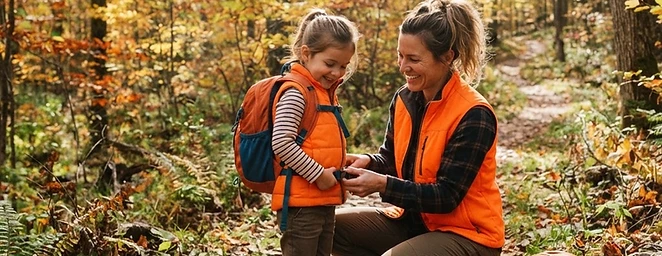
You and your child are hiking toward your hunting spot. You notice that the long side-straps of your child's backpack are dangling loose and snagging on low-hanging brush as they walk.
What is the safest way to handle this situation?
STEP ONE FOR EVERY YOUNG HUNTER
Hunter Education comes first
Most states require a Hunter Education certificate before a young hunter can buy a license, and it is the most important training your child will get. The Academy builds the habits at home. Your state's official course makes them count.
HUNTING SAFETY EDUCATION · AGES 5-17
RAISE A SAFE, CONFIDENT YOUNG HUNTER.
Guide your kids through interactive hunting safety missions, real decision drills, and earned trophies. One payment, no subscription.