
NOVEMBER 8, 2026
Teaching Young Hunters How to Manage Field Stress and Decision-Making
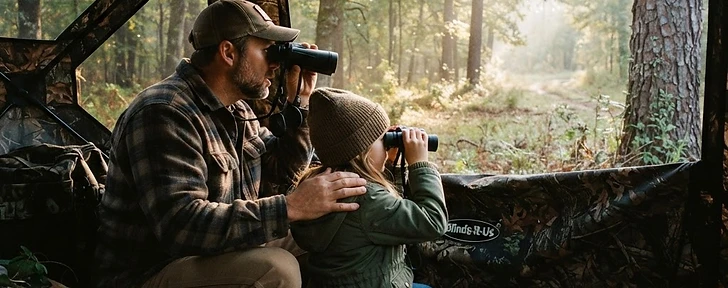
Understanding Field Pressure
For a young hunter, the moment they finally spot game is a rush of adrenaline unlike any other. However, this excitement—often called 'buck fever'—can cloud judgment, increase physical jitters, and lead to poor decision-making. As parents and mentors, our primary goal is to teach our children that staying calm is the most important tool in their hunting kit. Managing field stress isn't just about successful harvesting; it is about ensuring that every action taken is safe, legal, and ethical.
Why Adrenaline Affects Youth Hunters
Children are still developing their emotional regulation skills. When they spot wildlife, their bodies respond with a "fight or flight" reaction, releasing cortisol and adrenaline. This can cause tunnel vision, shaking hands, or a rushed heart rate. If a child hasn't been trained to handle this physiological response, they might bypass safety protocols or take a shot they aren't fully prepared for. By normalizing these feelings, we can help them transition from impulsive reactions to thoughtful, calculated actions.
Practical Techniques for Managing Field Calm
Teaching your child to manage their nervous system starts long before they reach the treestand. Here are three effective strategies you can implement:
- The "Pause and Breathe" Protocol: Teach your child to take three deep, intentional breaths before raising their optic or firearm. Deep breathing resets the nervous system and forces the brain to shift back into a logical state.
- Verbalizing the Checklist: Encourage your child to whisper their pre-shot checklist out loud. By forcing the brain to process language, you break the cycle of impulsive emotion. Ask them, "Is the target identified? Is the backstop clear? Are you within your comfortable shooting range?"
- Focus on the Observation Phase: Encourage your child to watch the animal for a full minute before moving into a shooting position. This builds patience and proves that the hunter is in control of the situation, rather than the situation controlling the hunter.
Leading by Example
Your child mirrors your behavior. If you are frantic, rushing to get a shot, or frustrated by a missed opportunity, they will adopt those same habits. Model calm behavior by talking through your own decision-making process in the field. Narrate your thoughts: "I see the deer, but it is moving behind thick brush, so I am going to wait for a clear, safe lane." This transparency teaches them that ethical hunting is about patience, not just the harvest.
When to Walk Away
One of the most valuable lessons you can teach a young hunter is the "no-go" decision. If the child is shaking uncontrollably, the animal is moving too quickly, or the light is fading, teach them that it is perfectly acceptable—and often preferred—to let the animal walk away. This reinforces the principle that the experience is about respect for the animal and adherence to safety, not a "win at all costs" mentality. Celebrate these moments of restraint as much as you would a successful harvest.
Continuing the Education
Teaching your child to handle the excitement of the hunt is a journey that evolves as they grow. To ensure your family is building a solid foundation of ethics and safety, consider enrolling in age-matched modules at BHH Youth Hunters Academy. We provide structured lessons designed to help parents and children navigate every aspect of the hunting experience together, ensuring every day in the woods is safe, educational, and memorable. Visit BHH Youth Hunters Academy today to start your next chapter in hunter safety.
TRY IT — A REAL ACADEMY DECISION DRILL
The High-Adrenaline Moment

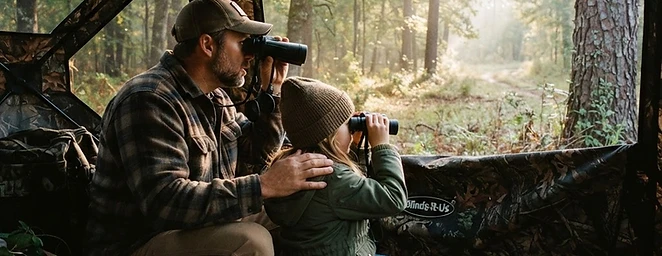
Your 12-year-old child spots a large deer moving through a clearing. Their hands start shaking, they are breathing heavily, and they immediately try to raise their rifle to take a shot while the deer is still obscured by dense brush.
What is the best way to guide your child through this moment?
STEP ONE FOR EVERY YOUNG HUNTER
Hunter Education comes first
Most states require a Hunter Education certificate before a young hunter can buy a license, and it is the most important training your child will get. The Academy builds the habits at home. Your state's official course makes them count.
HUNTING SAFETY EDUCATION · AGES 5-17
RAISE A SAFE, CONFIDENT YOUNG HUNTER.
Guide your kids through interactive hunting safety missions, real decision drills, and earned trophies. One payment, no subscription.