 BHH YOUTH HUNTERS ACADEMYBHH ACADEMY
SEPTEMBER 25, 2026
Teaching Young Hunters the Fundamentals of Ethical and Safe Wildlife Photography
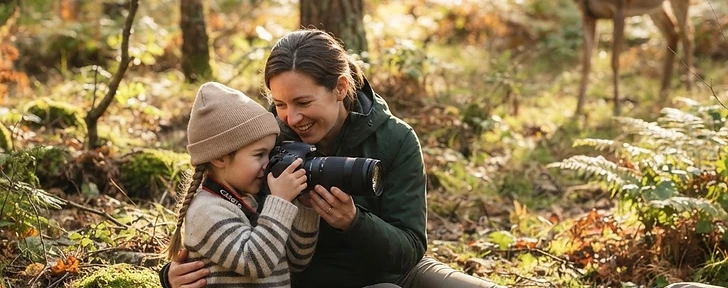
Introduction: The Lens as a Classroom
For many parents at BHH Youth Hunters Academy, the journey into hunting starts long before a child handles a firearm. One of the most effective ways to build the skills necessary for ethical hunting is by introducing your child to wildlife photography. It turns the woods into a living classroom, allowing children to practice the habits of a successful hunter without the pressure of a harvest.
Why Photography Precedes the Hunt
Wildlife photography requires the same discipline as hunting: silence, wind awareness, scent control, and movement management. When a child learns to approach a deer or a turkey to get a clear photo, they are learning how to stalk safely and effectively. This practice helps them understand how wildlife behaves, how they detect danger, and why staying still is the most powerful tool in a hunter's arsenal.
Building Fundamental Field Skills
Using a camera allows you to teach core principles in a low-stakes environment. Here are key skills your child can master through photography:
- Wind Awareness: You can show them how to use a wind checker or watch tall grass to determine which way the wind is blowing so they can remain undetected by the subject.
- Patience and Stillness: Photography teaches a child that patience is rewarded. Waiting for the right lighting or the right pose mimics the long hours spent in a ground blind or tree stand.
- Effective Scouting: Learning to look for tracks, scat, and bedding areas to 'find' subjects for photos is the exact same process used to scout for game.
- Ethical Distance: You can teach them that respecting an animal's personal space is important. If the animal changes its behavior because you are too close, you are too close.
Teaching Respect and Conservation
Photography fosters a deep appreciation for the animal, which is the cornerstone of ethical hunting. It shifts the child’s focus from just the harvest to the life of the creature itself. By capturing an animal in its natural habitat, children learn to respect the environment and the importance of habitat preservation.
Safety Protocols in the Field
Even with a camera, safety remains the priority. Teach your child to always tell you exactly where they are moving, to maintain a safe distance from steep embankments or water, and to be aware of their surroundings at all times. Use these photo outings to instill the habit of scanning the horizon and recognizing hazards before they become a risk.
Preparing for the Real Hunt
When your child eventually transitions to hunting, the skills they learned while holding a lens will transfer seamlessly. They will already understand how to identify their target, how to judge distance, and how to remain calm under pressure. Their transition from a photographer to a safe, ethical hunter will be grounded in a solid foundation of woodsmanship.
Ready to get started? Visit the BHH Youth Hunters Academy to begin our age-matched safety and ethics lessons. Together, we can ensure your child develops the wisdom and respect needed for a lifelong, safe connection to the outdoors.
TRY IT — A REAL ACADEMY DECISION DRILL
The Wildlife Approach

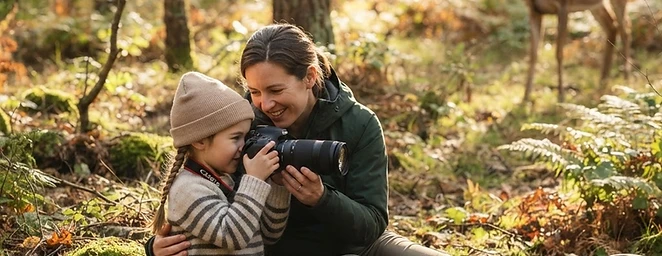
Your child spots a small buck while practicing wildlife photography. The buck is alert and looking in your direction. Your child wants to step forward to get a closer shot.
What is the best action for your child to take?
HUNTING SAFETY EDUCATION · AGES 5-17
RAISE A SAFE, CONFIDENT YOUNG HUNTER.
Guide your kids through interactive hunting safety missions, real decision drills, and earned trophies — all from one free parent account.