 BHH YOUTH HUNTERS ACADEMYBHH ACADEMY
SEPTEMBER 28, 2026
Teaching Young Hunters the Importance of Ethical Stand Placement and Site Selection
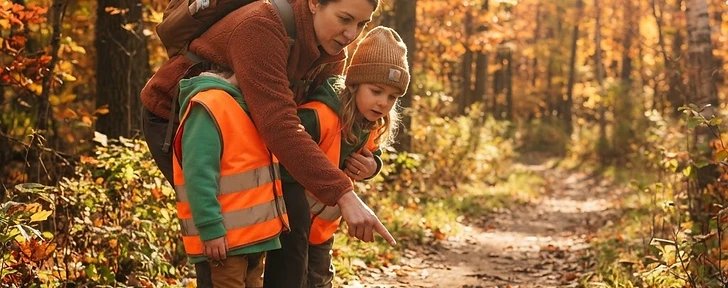
Setting the Stage for Success
When we introduce our children to the outdoors, we often focus on marksmanship or species identification. However, one of the most critical, yet frequently overlooked, aspects of hunting is the intentional act of stand placement and site selection. Teaching your young hunter how to choose a location isn't just about finding where the deer are; it is about cultivating an ethical mindset, prioritizing safety, and learning how to minimize our impact on the environment.
Understanding the 'Why' Behind the Location
Before you ever hang a stand or tuck into a ground blind, start by teaching your child the 'why' behind site selection. It is not enough to simply find a trail; you must consider the perspective of the animal and the safety of the hunter.
Help your child analyze the surroundings by asking open-ended questions:
- 'If you were a deer, why would you choose to walk through this specific opening?'
- 'How does the wind move through this valley at sunset?'
- 'Is this location safe for a young hunter to climb into and out of without fatigue?'
By involving your child in the scouting process, you are teaching them to look at the landscape as a whole, rather than just as a backdrop for a shot.
The Three Pillars of Ethical Site Selection
To keep the experience focused on stewardship and safety, focus on these three core pillars:
- Wind Dominance: Teach your child that hunting ethically means respecting the animal's senses. We want to be in a position where our scent is carried away from the travel routes. This forces the hunter to be more patient and observant, as they learn to predict movement based on invisible air currents.
- Safe Approach and Exit: An ethical hunt starts with a quiet, safe entry and ends with a respectful recovery. Teach your child that if a location requires a dangerous climb or crossing a hazardous area, it is not worth the risk. Safety always supersedes the desire to be in a 'perfect' spot.
- Backdrop and Safety Lanes: Before committing to a spot, ensure there is a clear, safe backdrop. Teach your child to identify exactly where their shot would travel if they missed their target. If there is a road, house, or high-traffic area behind the stand, it is an automatic 'no' for the location.
Minimizing Human Footprint
Ethical hunting is also about minimizing our presence. Teach your young hunter that a well-placed stand is one that blends into the natural vegetation rather than disrupting it. Avoid excessive clearing of branches or digging out soil. If you move a branch, make sure it is for genuine safety, not just convenience. This teaches the young hunter to be a guest in the woods, not an intruder.
Building Habits That Last
As your child grows, their ability to scout and select sites will improve. Start by letting them lead the way through familiar, safe terrain. Point out potential hazards—like deadfall, slippery slopes, or thick brush—and ask them how they would navigate around those obstacles to reach the best viewing spot.
This training develops situational awareness, patience, and a deep respect for wildlife. When a child learns to choose a location that maximizes safety and minimizes disturbance, they aren't just becoming a better hunter; they are becoming a better conservationist.
Start Your Safety Journey Today
Teaching these fundamental skills takes time, practice, and the right resources. At BHH Youth Hunters Academy, we provide age-matched safety lessons designed for parents and children to explore together. From ethical field choices to core safety protocols, our platform helps you build a strong foundation for a lifetime of responsible hunting. Visit BHH Youth Hunters Academy to begin your child’s journey toward becoming a safe, ethical, and confident young hunter today.
TRY IT — A REAL ACADEMY DECISION DRILL
The Ideal Stand Location

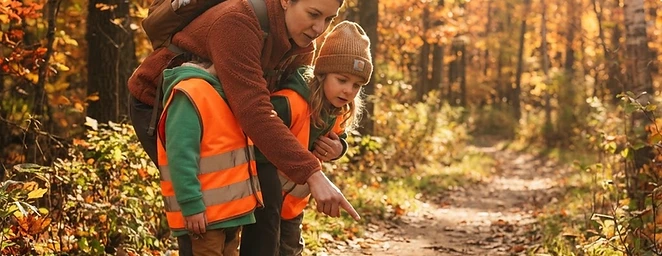
You and your child are scouting for a new hunting spot. You find an area with high deer activity, but the only tree suitable for a stand is located right next to a public hiking trail that runs behind a thick ridge.
What is the most ethical and safe decision to make?
HUNTING SAFETY EDUCATION · AGES 5-17
RAISE A SAFE, CONFIDENT YOUNG HUNTER.
Guide your kids through interactive hunting safety missions, real decision drills, and earned trophies — all from one free parent account.