
SEPTEMBER 17, 2026
Teaching Young Hunters the Fundamentals of Ethical and Safe Deer Recovery
The Importance of the Post-Shot Phase
Many parents focus heavily on the preparation, marksmanship, and target acquisition phases of hunting. However, the experience of a young hunter doesn't end when the shot is taken. In fact, some of the most important lessons in sportsmanship, patience, and wildlife respect occur during the tracking and recovery process. Teaching your child how to handle the aftermath of a successful shot is a cornerstone of becoming an ethical, responsible hunter.
The Golden Rule: Wait and Observe
One of the hardest lessons for a child to learn is the value of waiting. After a shot, the adrenaline is high, and the natural instinct is to rush toward the site to see the results. As parents, you must teach your child that patience is a vital safety and ethical tool. Depending on the situation and the shot placement, waiting thirty minutes to an hour can be the difference between a quick recovery and a lost harvest.
During this time, use the opportunity to teach your child how to:
- Mark the exact spot where the animal stood.
- Listen for any sounds coming from the brush.
- Mentally reconstruct the angle of the shot.
- Calm their nerves and transition from "hunter" mode to "tracker" mode.
Ethical Tracking and Sign Reading
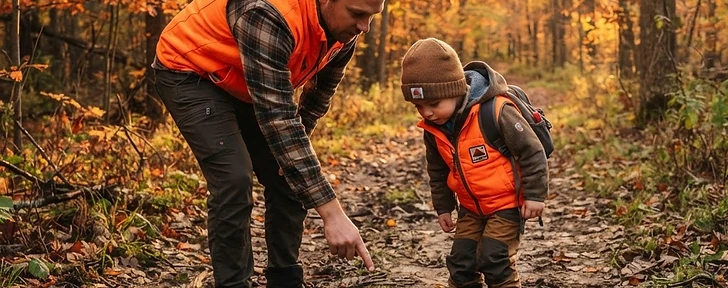
Once it is time to move, the recovery becomes a masterclass in observation. Have your child lead the way, but stay close enough to provide guidance. Ask them what they see. Are there signs of blood, disturbed leaves, or broken twigs? This is not just about finding the animal; it is about respecting the animal by confirming the outcome of the shot. If you find blood, teach your child to look for indicators like color and texture, which can tell you where the animal was hit and how much time you should continue to wait.
Safety During Recovery
Recovery can involve difficult terrain, fading light, and physical exhaustion. Ensure your child is always aware of their surroundings. Remind them that if they are carrying a firearm or bow, it must remain unloaded and safely secured during the tracking process. Never allow a young hunter to rush into thick, dark brush without proper visibility or a game plan. If the trail goes cold or the light becomes too dim, teach your child the most important lesson of all: knowing when to ask for help or when to return the next morning.
Respecting the Harvest
When the animal is finally recovered, take a moment to reflect. This is a quiet, somber time to teach your child about gratitude and respect for the life that has been taken. Discuss the role of the hunter in the ecosystem and the responsibility of ensuring no meat goes to waste. These quiet moments in the woods are often the memories your child will cherish the most, far outweighing the excitement of the initial shot.
Start Your Safety Journey Today
Teaching the nuances of ethical hunting is a long-term commitment. At BHH Youth Hunters Academy, we provide structured, age-appropriate curriculum designed to help you and your child navigate every step of the hunting experience—from the first trip to the woods to the final recovery. Visit BHH Youth Hunters Academy today to explore our safety lessons and start building a foundation of ethical hunting that will last a lifetime.
TRY IT — A REAL ACADEMY DECISION DRILL
Make the Call: The Uncertain Trail

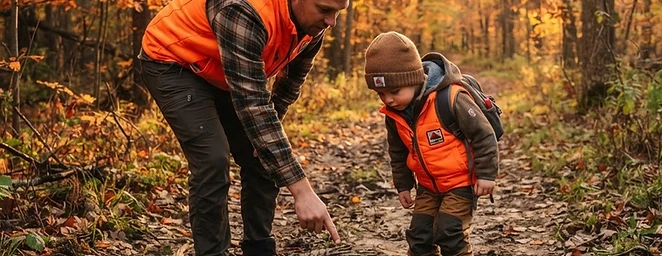
You and your child just took a shot at a deer. The deer ran into a thick, dark, and swampy patch of woods. It is getting late, and the sun is about to set in fifteen minutes. Your child is eager to run into the thicket to find the deer immediately.
What is the most ethical and safe decision to make in this scenario?
STEP ONE FOR EVERY YOUNG HUNTER
Hunter Education comes first
Most states require a Hunter Education certificate before a young hunter can buy a license, and it is the most important training your child will get. The Academy builds the habits at home. Your state's official course makes them count.
HUNTING SAFETY EDUCATION · AGES 5-17
RAISE A SAFE, CONFIDENT YOUNG HUNTER.
Guide your kids through interactive hunting safety missions, real decision drills, and earned trophies. One payment, no subscription.