
AUGUST 2, 2026
Teaching Young Hunters Ethical Decision-Making Beyond the Shot
Why Ethics Matter in Youth Hunting
When we introduce our children to the outdoors, we focus heavily on the mechanics of safety: the muzzle direction, the trigger discipline, and the target identification. However, the most lasting lesson a young hunter can learn is one of character. Ethical hunting is the backbone of our sport, ensuring that wildlife is respected and that the tradition remains sustainable for future generations. As a parent, you are the primary mentor for these moral lessons.
Understanding the Fair Chase Doctrine
The concept of 'fair chase' is not just a rulebook guideline; it is a philosophy that elevates hunting from a harvest to an honorable pursuit. Teach your child that the animal should have a reasonable chance to escape. This means avoiding high-tech gadgets that take the 'hunt' out of hunting and focusing instead on scouting, patience, and woodsmanship. When your child understands why we limit our equipment and methods, they begin to see themselves as stewards of the land rather than just participants in a sport.
Beyond the Shot: The Importance of Recovery
One of the most intense moments for a young hunter is the shot itself. However, the work truly begins the moment the trigger is pulled. An ethical hunter is committed to recovery. Teach your child that a shot is never truly finished until the game is accounted for.
- Mark the spot: Practice identifying exactly where the animal was standing.
- Wait patiently: Rushing into a site can bump a wounded animal and make recovery much harder.
- Track with purpose: Use this as a lesson in reading sign, identifying blood trails, and respecting the animal's path.
By emphasizing recovery, you teach your child to take responsibility for their actions and to minimize waste. This is a profound lesson in maturity.
Modeling Respect for the Resource
Children mirror what they see. If you show irritation at a missed opportunity or impatience during a slow day in the woods, your child will likely adopt those attitudes. Instead, focus on the 'why' behind the regulations. Discuss why seasons exist, how tag limits protect populations, and why we report harvests. When they understand that hunting is a partnership between the hunter and the conservation community, they develop a deep respect for wildlife agency rules.
Developing a Conservation Mindset
Ethical hunting is intrinsically linked to conservation. Explain to your child that hunters are the primary funders of wildlife habitat restoration through license fees and excise taxes. When your child feels the weight of that responsibility, they transition from a casual observer to an active protector of nature. Encouraging them to participate in habitat improvement, such as planting native flora or helping with trail maintenance, reinforces the idea that we take from the land only when we are also giving back.
The Role of Mentorship
Remember, your child will look to you to define what 'success' looks like. If success is only measured in antler size or full freezers, the experience becomes narrow and pressurized. If success is defined by the effort, the adherence to safety, and the respect shown to the environment, your child will grow into a confident, ethical outdoorsperson. Check your state wildlife agency for specific regulations regarding fair chase and tagging to ensure your lessons align with local laws.
Start the Journey Today
Ethical hunting is a lifelong learning process that starts with foundational knowledge. At BHH Youth Hunters Academy, we provide age-matched safety and ethics lessons designed for parents and kids to explore together. Start your child’s journey toward becoming a responsible, conservation-minded hunter by enrolling in our program today.
TRY IT — A REAL ACADEMY DECISION DRILL
The Last Light Decision

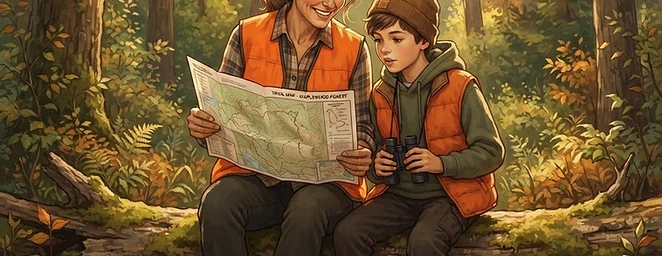
You and your child are sitting in a ground blind. It is 15 minutes past legal shooting light. A deer steps into the clearing, offering a perfect, broadside shot. Your child whispers, 'Dad, I can still see it clearly in my scope. Can I take the shot?'
How should you respond to keep the ethical and legal standards of hunting clear?
STEP ONE FOR EVERY YOUNG HUNTER
Hunter Education comes first
Most states require a Hunter Education certificate before a young hunter can buy a license, and it is the most important training your child will get. The Academy builds the habits at home. Your state's official course makes them count.
HUNTING SAFETY EDUCATION · AGES 5-17
RAISE A SAFE, CONFIDENT YOUNG HUNTER.
Guide your kids through interactive hunting safety missions, real decision drills, and earned trophies. One payment, no subscription.