
NOVEMBER 7, 2026
Teaching Young Hunters the Fundamentals of Ethical Wildlife Attractants and Baiting Safety
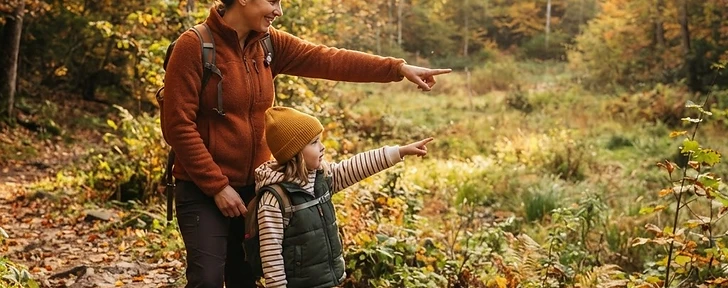
Understanding the Role of Wildlife Attractants
For many young hunters, the world of wildlife attractants—scents, minerals, and supplemental feed—can seem like a shortcut to success. As parents, it is our responsibility to pivot that curiosity toward a deeper understanding of wildlife biology and ethical hunting practices. Introducing these tools is a perfect opportunity to discuss the 'Fair Chase' philosophy and the legal responsibilities that come with them.
The Legal Landscape of Baiting
Before introducing any attractants, the first lesson must be about legal compliance. Regulations regarding baiting and supplemental feeding vary drastically between states, counties, and even specific public land zones.
- Check Local Regulations: Always consult your state's current hunting regulation guide with your child. Explain that laws change to protect wildlife health and prevent the spread of diseases like Chronic Wasting Disease (CWD).
- Understanding 'Why': Explain that some areas ban baiting to ensure that hunting remains a true test of woodsmanship, tracking, and observation skills rather than a reliance on artificial supplies.
Teaching Ethical Stewardship
When we use attractants, we are actively modifying an animal's environment. This comes with a duty of care. Discuss with your child that wildlife is sensitive to human influence.
- Leave No Trace: Ensure that any containers, packaging, or excess materials are packed out.
- Disease Prevention: If you use feed or mineral blocks, discuss why they must be placed in a way that minimizes contact with soil contamination to prevent the spread of pathogens.
- Respect for Natural Forage: Remind your young hunter that an animal’s health is primarily supported by its native habitat, not by the food we provide. Ethical hunting honors the animal's natural lifestyle first.
Fair Chase and Skill Building
It is easy for a child to believe that success is defined by what we put on the ground to attract game. We need to shift the focus toward the skill required to be in the right place at the right time.
Use this time to teach your child about wind direction and how scent control is more important than any store-bought attractant. By focusing on the 'hunt' rather than the 'lure,' you are building a more capable, patient, and ethical outdoorsperson.
Setting the Right Example
Your child looks to you to define what is 'fair' and 'legal.' If you skip reading the rulebook or leave plastic wrappers in the woods, they will adopt those habits. Lead by example by:
- Reading the regulations out loud together before every season.
- Keeping a logbook of your scouting trips to see how wildlife uses the habitat naturally without reliance on attractants.
- Discussing the difference between attractants and sustainable habitat management like planting food plots or clearing invasive brush.
Start Your Safety Journey Today
Ethics are not learned overnight; they are the result of consistent, thoughtful conversations held during every scouting trip and practice session. By teaching your child the responsibility that accompanies the use of wildlife attractants, you are laying a foundation for a lifetime of ethical field conduct.
Ready to dive deeper into hunter safety and ethics? Visit BHH Youth Hunters Academy to begin age-matched safety lessons with your child today, ensuring you are both prepared for the next adventure in the field.
TRY IT — A REAL ACADEMY DECISION DRILL
The Boundary Line Dilemma

You and your child find a perfect spot to set up a mineral block on public land. As you check the map, you realize that while this specific spot is legal, it is less than 50 yards from a boundary line where baiting is strictly prohibited.
What is the most ethical and safe decision to make with your child?
STEP ONE FOR EVERY YOUNG HUNTER
Hunter Education comes first
Most states require a Hunter Education certificate before a young hunter can buy a license, and it is the most important training your child will get. The Academy builds the habits at home. Your state's official course makes them count.
HUNTING SAFETY EDUCATION · AGES 5-17
RAISE A SAFE, CONFIDENT YOUNG HUNTER.
Guide your kids through interactive hunting safety missions, real decision drills, and earned trophies. One payment, no subscription.