 BHH YOUTH HUNTERS ACADEMYBHH ACADEMY
SEPTEMBER 22, 2026
Teaching Young Hunters About Animal Health: A Parent's Guide to Ethical Observation
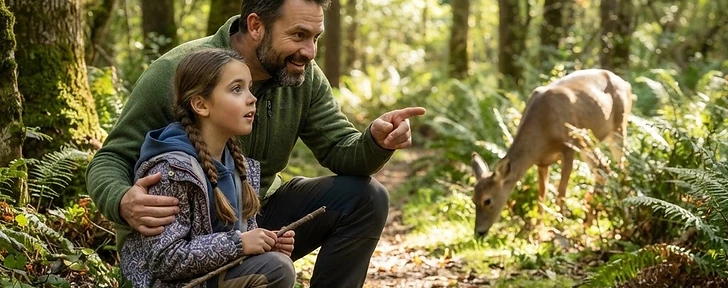
As parents guiding our children into the world of hunting, we aim to instill a deep respect for wildlife and the natural environment. Beyond the fundamental safety rules and ethical shot placement, a crucial aspect of responsible hunting involves understanding animal health. This is not just about making a clean harvest; it’s about appreciating the well-being of the animals we share the outdoors with.
Why Animal Health Matters in Youth Hunting Education
Teaching young hunters to observe animal health is paramount for several reasons:
- Ethical Hunting: Understanding whether an animal is healthy and free from disease contributes to making ethical decisions in the field. Harvesting an animal that is diseased or unhealthy is generally not considered good practice for consumption or for the overall health of the wild population.
- Conservation: Observing animal health provides valuable insights into the condition of local wildlife populations. This can inform our understanding of habitat health and potential environmental stressors.
- Respect for Life: It cultivates a deeper respect for the life of the animal, moving beyond just the harvest to appreciating its role in the ecosystem.
- Identifying Potential Risks: Recognizing signs of illness can also help hunters avoid potential zoonotic diseases, protecting both themselves and their families.
Observing Wildlife: What to Look For
Introducing your child to observing wildlife health should be a gentle, observational process. Start by focusing on general observations before introducing more complex assessments. Here are some key areas to guide your child’s attention:
- Body Condition: Is the animal’s body lean, or does it appear well-nourished? Look at the musculature and overall build. A healthy animal will typically have a good fat reserve, especially before winter.
- Coat and Feathers: Does the animal’s coat or plumage look healthy and full, or is it patchy, dull, or showing signs of parasites like ticks or mites? A healthy coat is usually smooth and lustrous.
- Eyes and Nose: Are the eyes clear and bright, or do they appear cloudy, discharge, or sunken? Is the nose clean or exhibiting any unusual discharge?
- Behavior: Is the animal acting normally for its species and the current environment? Look for lethargy, stumbling, unusual aggressiveness, or avoidance behaviors. For example, is a deer acting unafraid of human presence when it normally would be wary?
- Movement: Does the animal move freely and without apparent pain or stiffness? Watch how it walks, runs, and interacts with its surroundings.
- Signs of Injury: Look for visible wounds, limping, or broken limbs. While minor injuries can occur, significant issues warrant careful observation.
Making Observations Age-Appropriate
It’s essential to tailor these observations to your child's age and maturity level. For younger children (ages 5-9), focus on general observations like spotting an animal, noting its size, and if it seems to be moving around happily. As they grow, you can introduce more specific details. For older children and teens (ages 10-17), discussions can delve deeper into the implications of poor body condition, the potential presence of parasites, and how these factors might influence hunting decisions.
For example, when observing a deer:
- Younger children: "Look, a deer! See how it’s walking? It looks strong and healthy."
- Older children: "Notice the fullness of that buck’s neck. That indicates good health going into the rut. Contrast that with the doe over there – she seems a bit thinner. We'll need to consider that if we have an opportunity."
The Parent's Role in Ethical Observation
As parents, our role is to guide these observations with a calm, thoughtful approach. It’s not about making snap judgments but about fostering a habit of mindful observation. When you’re out with your child, verbalize your own observations in a simple, clear way. Ask open-ended questions like:
- "What do you notice about that animal?"
- "How does it seem to be feeling today?"
- "Does it look like it’s eating well?"
When you encounter an animal that appears unhealthy, use it as a teaching moment. Explain that in such cases, harvesting the animal is often not recommended. This reinforces the ethical principle that hunting is not just about taking a life, but doing so with respect and consideration for the animal’s overall well-being. Always remember to check your state wildlife agency for specific regulations and advisories regarding harvesting game that may appear diseased.
Beyond Observation: Respecting the Ecosystem
Teaching young hunters about animal health also extends to understanding their habitat. Healthy animals rely on healthy environments. Discuss how factors like clean water, abundant food sources, and safe shelter contribute to good animal health. This broader perspective connects their hunting education to conservation and environmental stewardship.
By incorporating observations of animal health into your hunting education, you're equipping your child with a more holistic understanding of wildlife and the responsibilities that come with hunting. It's a vital step in raising ethical, knowledgeable, and compassionate hunters.
Ready to build these essential skills with your child? BHH Youth Hunters Academy offers age-appropriate lessons and resources to help you guide your young hunter through every aspect of safe, ethical, and responsible hunting. Enroll today and start your family’s journey together!
TRY IT — A REAL ACADEMY DECISION DRILL
Make the Call: Animal Health Observation

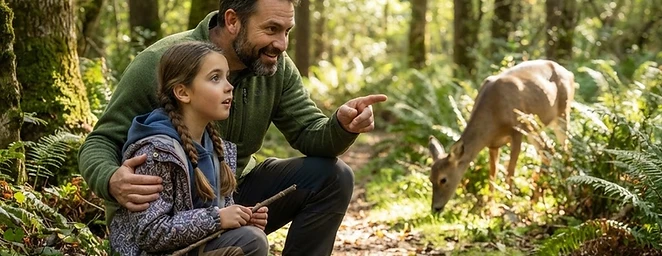
While hiking with your child, you spot a young buck ahead. It seems to be moving with a slight limp and has noticeable patches of missing fur on its hindquarters.
What is the best approach for you and your child in this situation?
HUNTING SAFETY EDUCATION · AGES 5-17
RAISE A SAFE, CONFIDENT YOUNG HUNTER.
Guide your kids through interactive hunting safety missions, real decision drills, and earned trophies — all from one free parent account.