
NOVEMBER 16, 2026
How to Prepare Your Child for Their First Field Day
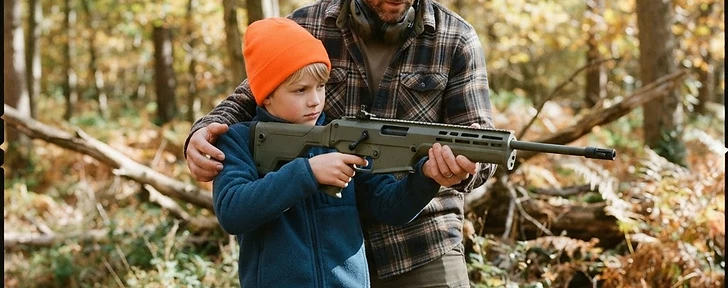
Making the Transition to the Field
Preparing for a state-mandated Hunter Education field day is a significant milestone for any youth hunter. You can best prepare your child by reviewing core safety concepts, practicing firearm handling basics in a controlled environment, and keeping the focus on learning rather than testing anxiety.
Many parents feel a mix of pride and apprehension as the field day approaches. It is natural to worry if your child is ready, but remember that the field day is designed to be a supportive environment where instructors evaluate safety habits rather than hunting skill. By working together through a hunting safety for kids guide, you can build the muscle memory required to succeed.
Practice Makes Progress
Before the big day, take time to visit a local range or a safe, private space to go through the motions. Focus on these three critical areas:
- Muzzle Control: Ensure your child understands that the muzzle must always be pointed in a safe direction. Practice carrying a simulated firearm (or a non-functional training dummy) so they become comfortable with keeping the muzzle under control while walking or sitting.
- Safety Mechanisms: Teach your child to confidently identify and operate the safety on the specific type of firearm they will be using. They should be able to manipulate it without looking, keeping their eyes on the "field."
- Safe Loading and Unloading: Repetition is key. Have your child practice the process of checking the chamber and loading/unloading repeatedly until it becomes second nature.
Managing Field Day Anxiety
It is common for young hunters to feel nervous when performing in front of instructors. Remind your child that instructors are there to help them become safer, better hunters—they aren't looking to catch them in a mistake, but rather to teach them the correct way to handle situations. Encourage your child to ask questions if they are ever unsure about a command or a task.
If you want to gauge your child's current comfort level, taking a hunter safety readiness quiz can help identify areas that might need a little extra attention before the instructors take over.
How this ties into Hunter Education
This preparation directly correlates to the Practical Field Exam portion of your state's official Hunter Education course. During this segment, students must demonstrate they can safely handle a firearm, cross obstacles like fences, and move through the woods without flagging others. While BHH Youth Hunters Academy provides the foundational knowledge and muscle memory required for these tasks, please remember that our platform does not replace your state's official certification process. Your child must still complete their state's required Hunter Education course to be legally certified. Understanding why Hunter Education matters for kids will help your child approach the field day with the right attitude and respect for the process.
Building a Foundation for Success
Your involvement as a parent is the most valuable tool your child has. By treating the preparation as a bonding experience rather than a high-stakes exam, you remove the pressure and replace it with confidence. Whether your child is just starting or is brushing up for their final test, BHH Youth Hunters Academy offers the resources to ensure they are ready for the field. Start your age-matched safety lessons with your child today at BHH Youth Hunters Academy and set them on a path for a lifetime of safe, ethical hunting.
TRY IT — A REAL ACADEMY DECISION DRILL
The Fence Crossing Dilemma

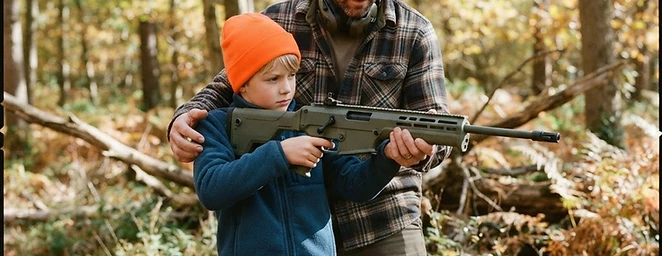
Your child is participating in a mock field day exercise. They reach a fence that they need to cross while carrying their training firearm. What is the correct procedure?
What should your child do before attempting to cross the fence?
STEP ONE FOR EVERY YOUNG HUNTER
Hunter Education comes first
Most states require a Hunter Education certificate before a young hunter can buy a license, and it is the most important training your child will get. The Academy builds the habits at home. Your state's official course makes them count.
HUNTING SAFETY EDUCATION · AGES 5-17
RAISE A SAFE, CONFIDENT YOUNG HUNTER.
Guide your kids through interactive hunting safety missions, real decision drills, and earned trophies. One payment, no subscription.