
NOVEMBER 14, 2026
How to Talk to Kids About Hunting Safety Rules
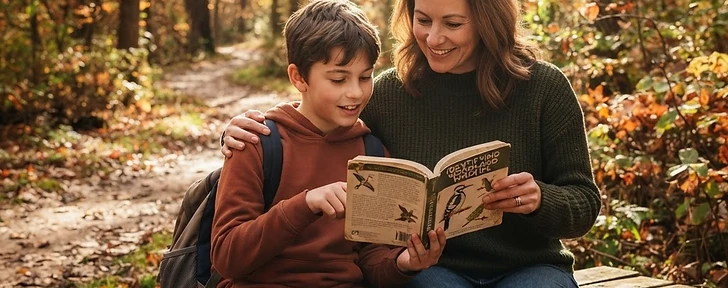
Talking to kids about hunting safety rules starts with clear, simple, and consistent communication. By establishing a shared vocabulary and setting expectations before you ever reach the woods, you build a foundation of safety that lasts a lifetime. Whether your child is five or seventeen, the key is to prioritize open dialogue and mutual respect for the gravity of the activity. When you treat safety as a core value rather than a chore, your child is more likely to internalize these habits permanently.
Establishing a Safety-First Mindset
Before you pack your gear, sit down with your child to discuss the 'why' behind the rules. Children learn best when they understand the purpose behind a restriction. Instead of just saying 'don't do that,' explain the mechanical or ethical reason behind a specific rule. This approach helps them develop their own internal compass, which is vital when they are faced with a decision in the field. Using our hunting safety for kids guide as a starting point can help you structure these initial conversations.
Practical Tips for Clear Communication
Consistency is the bedrock of safety. Use the same terminology every time you discuss firearms or field behavior. If you call it a 'muzzle' on Monday, don't refer to it as a 'barrel' on Tuesday; keeping the language precise helps the child internalize instructions faster.
Consider these strategies for effective safety talks:
- Keep sessions short: Aim for 10-15 minute 'mini-sessions' rather than long, dry lectures that cause their attention to drift.
- Use hands-on demonstrations: When talking about safety, use non-functional training aids to show exactly what you mean.
- Practice 'What If' scenarios: Ask your child what they would do if they encountered a specific situation. This helps them process information rather than just memorizing it.
- Check their understanding: Ask them to explain a rule back to you in their own words. If they can articulate it, they truly understand it.
If you are unsure where your child stands regarding their preparation for these discussions, our hunter safety readiness quiz can provide helpful insights.
Keeping it Age-Appropriate
Younger children need simple, concrete rules focused on physical safety, such as 'always point the muzzle in a safe direction.' As they mature into their teen years, the focus can shift toward more complex topics like ethical decision-making, weather awareness, and environmental stewardship. It is important to remember that as your child grows, your communication style should evolve from directive (telling them what to do) to mentorship (guiding their decision-making process).
How this ties into Hunter Education
Effective communication regarding safety directly prepares your child for the firearm handling and field safety sections of their official state Hunter Education course. These courses test a child's ability to demonstrate safe habits under pressure, which is exactly what your home practice sessions simulate. Remember, these practice sessions are meant to supplement your child's training; your child must still complete their state's official Hunter Education certification, which covers legal requirements and state-specific regulations. You can read more about why Hunter Education matters for kids to better understand the importance of this certification process.
Moving Forward
Safety is a continuous journey. At BHH Youth Hunters Academy, we encourage parents to start age-matched safety lessons with their child today. By reinforcing these core safety habits regularly, you ensure that every day spent in the field is defined by responsible stewardship and unforgettable family memories. Explore our youth hunter safety courses to find the right curriculum to guide your family's journey into the outdoors.
TRY IT — A REAL ACADEMY DECISION DRILL
The Muzzle Control Check

You are walking through the woods with your child to your stand. Your child is carrying an unloaded, action-open firearm, and you notice that as they climb over a small log, the muzzle momentarily swings toward your direction.
What is the best way to handle this situation in the moment?
STEP ONE FOR EVERY YOUNG HUNTER
Hunter Education comes first
Most states require a Hunter Education certificate before a young hunter can buy a license, and it is the most important training your child will get. The Academy builds the habits at home. Your state's official course makes them count.
HUNTING SAFETY EDUCATION · AGES 5-17
RAISE A SAFE, CONFIDENT YOUNG HUNTER.
Guide your kids through interactive hunting safety missions, real decision drills, and earned trophies. One payment, no subscription.