
NOVEMBER 20, 2026
How to Properly Fit Hunting Clothing for Kids
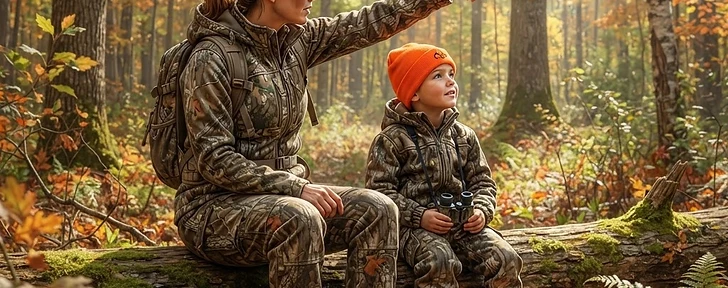
Ensuring your child has properly fitting hunting clothing is essential for both their safety and their overall comfort during a long day in the woods. Properly fitted gear allows for a full range of motion, prevents tripping hazards, and ensures that layers effectively manage moisture and temperature to keep your child safe from the elements. When clothing is too baggy, it can snag on branches or interfere with the safe operation of equipment, while clothing that is too tight can restrict circulation and lead to rapid exhaustion or hypothermia in cold weather.
Why Fit Matters for Safety
Beyond basic comfort, the way your child's gear fits directly impacts their ability to stay focused and safe. If a jacket is too bulky, it can alter the way a child mounts a firearm or draws a bow, potentially affecting their accuracy and safety. Furthermore, oversized boots often lead to blisters or trips on uneven terrain, which can turn a fun scouting mission into an injury-prone situation. According to our hunting safety for kids guide, staying physically comfortable is the best way to keep a young hunter’s mind on their safety protocols rather than their physical discomfort.
Guidelines for Layering and Mobility
When choosing outdoor gear, focus on a system that allows for growth while maintaining a streamlined profile. Use these tips to assess the fit:
- The Mobility Test: Have your child put on their full outfit and mimic the motions of hiking, sitting in a stand, and bringing their equipment to a ready position. If the fabric bunches or restricts their range of motion, it is too tight or incorrectly cut.
- Layering Check: Ensure that their base layers are form-fitting but not restrictive. This keeps sweat away from the skin, which is the first line of defense against cold-weather emergencies.
- Boot Integrity: Boots should offer firm ankle support. If there is too much room, even with thick socks, use a quality insole to customize the fit. Always have them walk on a slight incline to ensure their heel doesn't slip, which is a major cause of fatigue.
- Avoid Over-Bulking: Modern technical fabrics allow for warmth without the thickness of heavy, older-style wool coats. Aim for thin, efficient layers that move with the body.
Before you head out, you can gauge your family's overall preparedness by taking our hunter safety readiness quiz.
Maintaining Awareness in the Field
Clothing choice also influences how well your child stays alert. If they are constantly fidgeting with an itchy collar or adjusting a slipping hat, they are losing focus on the environment. Teach your child that part of being a responsible hunter is preparing their gear so it becomes a second skin that doesn't require constant attention.
How this ties into Hunter Education
Understanding how to dress for the environment is a core competency taught in state-certified Hunter Education programs. This topic falls under the umbrella of field preparedness and personal survival, which is a key chapter in your child's official course. Remember that our materials here at BHH Youth Hunters Academy are designed to prepare your child for these lessons, but they do not replace the requirement to complete your state's official certification. Learn more about why Hunter Education matters for kids and why this training is the gold standard for safety.
By focusing on the details of fit and function now, you are building the habits of a lifelong ethical hunter. We encourage you to start age-matched safety lessons with your child at BHH Youth Hunters Academy today to ensure they are ready for their next adventure.
TRY IT — A REAL ACADEMY DECISION DRILL
The Baggy Jacket Dilemma

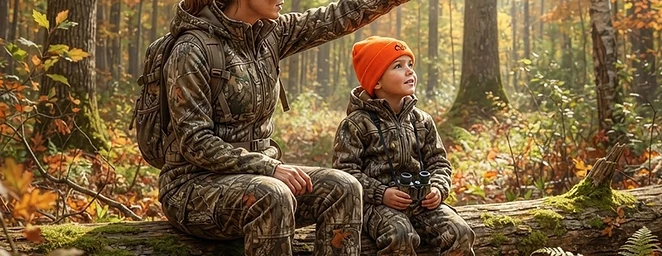
Your child has borrowed a large, heavy hunting jacket for a cold morning hunt. While it keeps them warm, the sleeves are six inches too long and the bulky material bunches up near their shoulders, making it difficult for them to move their arms freely or shoulder their rifle comfortably.
What is the safest way to handle this situation before heading into the woods?
STEP ONE FOR EVERY YOUNG HUNTER
Hunter Education comes first
Most states require a Hunter Education certificate before a young hunter can buy a license, and it is the most important training your child will get. The Academy builds the habits at home. Your state's official course makes them count.
HUNTING SAFETY EDUCATION · AGES 5-17
RAISE A SAFE, CONFIDENT YOUNG HUNTER.
Guide your kids through interactive hunting safety missions, real decision drills, and earned trophies. One payment, no subscription.