
AUGUST 5, 2026
Communicating While Hunting: A Parent’s Guide to Field Hand Signals and Verbal Cues
Why Communication is the Ultimate Safety Tool
When we think of youth hunting safety, we often focus on firearm handling, target identification, and tree stand security. Yet, one of the most overlooked pillars of safety is communication. In the woods, conditions change rapidly. Whether it is the rustle of dry leaves, the sudden appearance of wildlife, or the need to adjust positions for a better sightline, your child needs to be able to communicate effectively without causing unnecessary alarm or confusion.
Establishing a shared language with your child before you ever step foot in the woods transforms the hunting experience from a stressful endeavor into a team-based adventure. By focusing on non-verbal signals and clear verbal cues, you reduce the risk of accidents and increase the success of your outing.
The Power of Silent Signals
Nature is rarely quiet, but our communication within it should be. Teaching your young hunter a set of silent hand signals is an excellent way to maintain stealth while ensuring everyone is on the same page. Start by practicing these at home:
- The 'Stop' Hand: An open palm raised toward the child indicates an immediate need to pause and assess the surroundings.
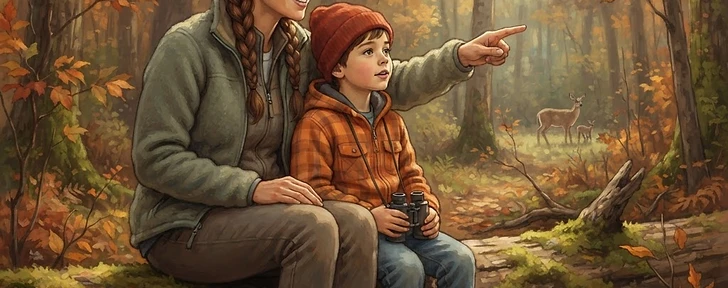
- The 'Look' Gesture: Pointing toward an area with your index finger, followed by a light tap on the shoulder, directs their attention to a specific direction without a sudden movement.
- The 'Lower' Motion: Pressing your hand palm-down toward the ground signals that it is time to crouch or get low to stay hidden.
Practice these signals in the backyard until they are second nature. If your child has to think about what a gesture means, they are already behind the curve when a deer walks out.
Establishing Verbal Protocols
While silence is golden, there are times when verbal communication is necessary. The key is to keep verbal cues short, calm, and predictable. Avoid long sentences or whispered debates, which can distract your child from the core safety rules.
Establish a standard 'Code of Phrases' such as:
- 'Hold': This means stop all movement, keep the firearm in a safe direction, and wait for further instructions.
- 'Check': This is a cue for your child to verify their surroundings and ensure they have a clear, safe backstop.
- 'Ready': This confirms that both the hunter and the mentor are in position and situationally aware.
The Role of the Mentor
As the adult, you set the tone. If you are anxious, your child will be anxious. If you communicate clearly and confidently, your child will mirror that behavior. Always narrate your own movements briefly so they understand the logic behind your safety checks. For example, say, 'I am shifting my weight to the left to get a better view of the trail; I am keeping my firearm pointed at the ground.'
When Plans Change
Sometimes, the most important communication is deciding to end the hunt. If the weather turns, or if your child expresses fatigue, it is vital that they feel comfortable communicating their physical state to you. Create an environment where they know they can say 'I’m tired' or 'I’m cold' without feeling like they have failed. A safe hunt is a fun hunt, and if the child is uncomfortable, their ability to focus on safety drops significantly.
Start Your Safety Journey Today
Communication is a skill that evolves with your child’s experience. From age-appropriate discussions about safety to advanced field techniques, there is always more to learn together. Begin your journey toward confident, ethical, and safe hunting by exploring the age-matched safety lessons available at BHH Youth Hunters Academy. Together, you can build the foundation for a lifetime of successful and safe traditions in the field.
TRY IT — A REAL ACADEMY DECISION DRILL
The 'Wait' Decision

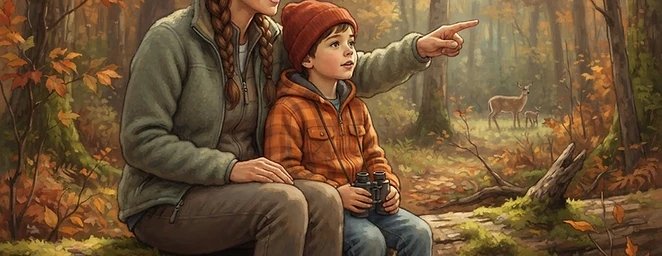
You and your child are sitting in a blind. Suddenly, a movement catches your eye about 50 yards away. Your child sees it too and begins to shift their position quickly to get a better look, unintentionally swinging their firearm toward the blind wall.
What is the immediate, safest action you should take as the mentor?
STEP ONE FOR EVERY YOUNG HUNTER
Hunter Education comes first
Most states require a Hunter Education certificate before a young hunter can buy a license, and it is the most important training your child will get. The Academy builds the habits at home. Your state's official course makes them count.
HUNTING SAFETY EDUCATION · AGES 5-17
RAISE A SAFE, CONFIDENT YOUNG HUNTER.
Guide your kids through interactive hunting safety missions, real decision drills, and earned trophies. One payment, no subscription.