 BHH YOUTH HUNTERS ACADEMYBHH ACADEMY
AUGUST 1, 2026
Building Confidence: How to Prepare Your Child for Their First Field Experience

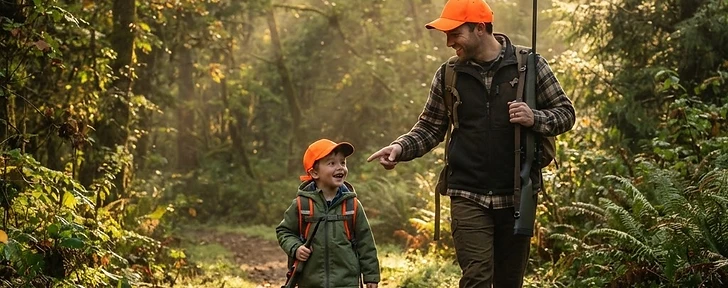
Bridging the Gap: Classroom to Timber
Transitioning from the theoretical world of hunter safety courses to the unpredictable environment of the woods is a major milestone for any young hunter. As a parent, you want to ensure your child feels capable, prepared, and—above all—safe. Building that confidence doesn't happen overnight; it is a gradual process that turns classroom concepts into instinctual habits.
Start with 'Dry' Field Sessions
Before you ever load a firearm or set out for a real harvest, practice the logistics of hunting in a controlled, non-hunting environment. Take your child for a walk in a local park or your backyard wearing the gear they will actually use. Help them adjust their straps, learn how to navigate quietly through brush, and practice identifying potential obstacles like low-hanging branches or uneven terrain. By removing the pressure of the hunt, you allow them to focus on the basics of field safety without the distraction of game.
Master the Gear Before the Trip
Fumbling with equipment during a high-stakes moment is a recipe for frustration and safety hazards. Spend an afternoon setting up blinds or checking equipment function together. Ensure that the child can easily reach the safety mechanism on their firearm and that their backpack isn't too heavy for them to carry comfortably over long distances.
- The Clothing Audit: Ensure their boots fit well and are broken in to avoid blisters.
- The Gear Check: Practice packing the essentials: water, high-energy snacks, extra layers, and a first-aid kit.
- The Noise Protocol: Teach them how to communicate with hand signals or quiet whispers to minimize noise before reaching the stand.
The Psychology of Patience
One of the biggest hurdles for young hunters is the 'boredom' factor. When the action stalls, a child’s focus can drift—which is when safety habits often begin to slip. Discuss the importance of mental engagement. Challenge your child to spot birds, identify different types of trees, or track the movement of the sun. Keeping their mind active and involved in the environment helps maintain their situational awareness, keeping them safe even when there is no game in sight.
Emphasizing the 'Why' of Safety
Instead of just listing rules, explain the 'why' behind them. Why do we keep the safety on until the moment of the shot? Why do we never lean a firearm against a tree? When a child understands the underlying logic of safety, they become an active participant in their own protection rather than just a follower of commands. This creates a hunter who is not only safer but more ethical and observant.
Building a Foundation at BHH
Confidence comes from knowing you have the skills to handle any situation. At BHH Youth Hunters Academy, we provide age-matched safety lessons that reinforce these critical field skills, ensuring you and your child can approach your first hunt as a team. Visit our academy today to start the lessons that will prepare your young hunter for a lifetime of safe and successful outdoor adventures.
TRY IT — A REAL ACADEMY DECISION DRILL
Make the Call: The Unexpected Noise
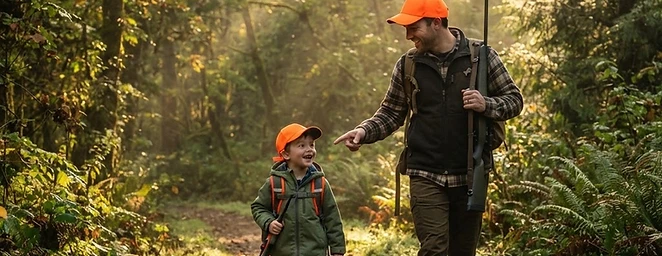
You and your child are sitting in a ground blind. Suddenly, you hear loud rustling and snapping branches directly behind your blind, but you cannot see the source of the noise.
What is the safest immediate action for your child to take?
HUNTING SAFETY EDUCATION · AGES 5-17
RAISE A SAFE, CONFIDENT YOUNG HUNTER.
Guide your kids through interactive hunting safety missions, real decision drills, and earned trophies — all from one free parent account.