
NOVEMBER 17, 2026
How to Build a Hunting Gear Checklist With Your Child
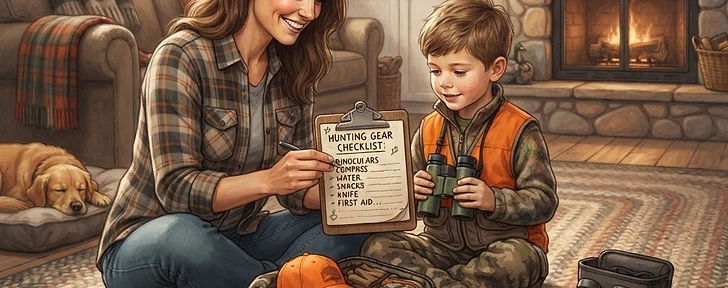
Building a comprehensive hunting gear checklist with your child is one of the most effective ways to teach responsibility, preparation, and safety before ever stepping into the field. By involving your child in the planning process, you turn a mundane chore into a collaborative lesson on why specific equipment is necessary for both success and safety. When a young hunter understands what goes into their pack and why it belongs there, they are better prepared to handle the realities of the outdoors.
Why Preparation Starts at Home
Experienced hunters know that the most stressful hunts are those where gear is forgotten or misplaced. For a child, the weight of their pack and the accessibility of their tools can make or break their comfort level. A well-organized, age-appropriate checklist acts as a guide for your child to learn what gear is essential for the specific season and environment. You can use our hunting safety for kids guide to determine what items are non-negotiable for their age group.
The Three Pillars of a Gear Checklist
When creating your list, categorize items to help your child visualize their needs. A good structure includes:
- Safety and Survival Essentials: First aid kits, a whistle, a flashlight, and a charged cell phone or communication device. Even on short hunts, these are mandatory.
- Comfort and Climate Control: Layers of clothing, extra wool socks, and moisture-wicking gear. Staying dry and warm prevents fatigue, which is a major factor in safety.
- Hunting Tools and Optics: Binoculars, rangefinders, and any required game identification guides.
Involving Your Child in the Process
Don't just hand your child a list; let them help you build it. Go through their hunting vest or pack together and have them physically place each item in a specific pocket. This 'muscle memory' approach helps them quickly find gear when they are in the woods. While you handle the high-level decision-making, such as firearms or archery equipment, allow them to manage the minor details like snacks, water, or their hunter safety readiness quiz notebook. This builds the confidence needed to eventually take their own youth hunter safety courses with a clear head.
Troubleshooting and Refining
After each hunt, revisit the checklist. Did they use everything they packed? Was something missing that would have made the day better? This 'after-action' review is where real growth happens. Discussing what worked and what didn’t helps your child develop critical thinking skills regarding their own field needs.
How this ties into Hunter Education
Proper gear management and field preparedness are core pillars of every state Hunter Education program. Understanding how to maintain equipment and organize a pack ensures that a young hunter can follow the ethical mandate of being prepared for any situation, including emergencies. While our academy provides the foundational knowledge to make these tasks intuitive, it is important to remember that this preparation does not replace the requirement to complete your state's official Hunter Education course. You can read more about why Hunter Education matters for kids to see how these habits align with formal safety certification.
Start your journey today by encouraging your child to begin age-matched safety lessons at BHH Youth Hunters Academy, where we prioritize the skills that make for a lifetime of ethical, safe, and organized hunting.
TRY IT — A REAL ACADEMY DECISION DRILL
The Forgotten Layer

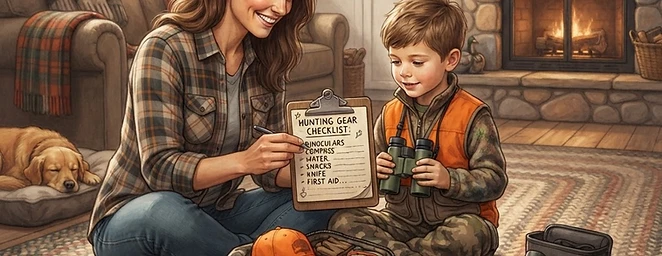
You and your child are double-checking your pack before a cold morning hunt. Your child insists they don't need their extra insulated vest because they don't feel cold right now.
What is the best way to handle this situation while maintaining safety and encouraging responsibility?
STEP ONE FOR EVERY YOUNG HUNTER
Hunter Education comes first
Most states require a Hunter Education certificate before a young hunter can buy a license, and it is the most important training your child will get. The Academy builds the habits at home. Your state's official course makes them count.
HUNTING SAFETY EDUCATION · AGES 5-17
RAISE A SAFE, CONFIDENT YOUNG HUNTER.
Guide your kids through interactive hunting safety missions, real decision drills, and earned trophies. One payment, no subscription.