FREE LESSON 1
WATERFOWL HUNTING: WHERE WATER CHANGES EVERY RULE

Waterfowl hunting is one of hunting's greatest traditions — sunrise over the decoys, wings whistling overhead, a good dog trembling with excitement. But here's the sobering fact every duck hunter must know: drowning and cold-water accidents claim more waterfowl hunters than firearms accidents do. The water, not the gun, is the number-one hazard in this sport.
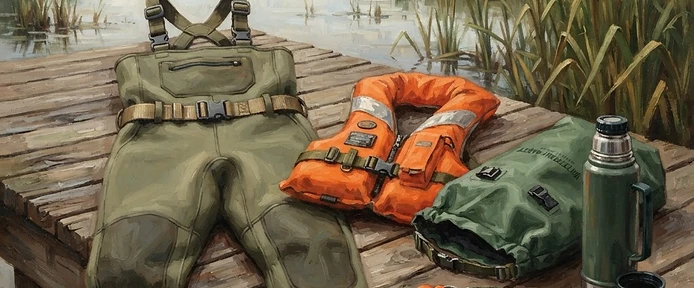
Why? Because waterfowl hunting stacks risk factors that other hunting doesn't: it happens in the coldest months, on water, often from small boats loaded with gear and dogs, in the dark of early morning, wearing heavy clothing and waders that complicate swimming. Any one of those is manageable; together they demand a whole extra layer of safety discipline.
This course adds that layer to everything you've already learned. Your firearm rules, your cold-weather knowledge, and your first-aid training all still apply — now we add the water rules: flotation discipline, cold water survival, wader safety, boat procedure, and the special teamwork of shooting from a blind. Learn them well, and the marsh gives you a lifetime of golden mornings.
- Water — not firearms — is the number-one hazard in waterfowl hunting
- The risk stack: cold months, small boats, darkness, heavy clothes, waders, and gear
- All your previous training still applies — this course adds the water layer
FIELD NOTE · Ask your mentor about their coldest, wettest day in a duck blind — and what they'd never do again. Waterfowlers all have that story; learn from theirs instead of writing your own.