COURSE DETAILS

FREE PREVIEW · NO ACCOUNT NEEDED · TRAILBLAZERS · AGES 5–8

LITTLE WOODS DETECTIVE: ANIMAL CLUES & HIDEOUTS

Read the first 2 lessons right here — narration included, exactly as your child would see them. Sit down with them and try it now.

FREE LESSON 1

ANIMALS HAVE FAVORITE PLACES, JUST LIKE YOU!

Animals Have Favorite Places, Just Like You!

Do you have a favorite spot at home? Maybe a cozy reading corner, or your seat at the dinner table? Guess what animals have favorite spots too! Deer have a favorite bedroom (thick bushes where they sleep), a favorite kitchen (fields and oak trees where they eat), and favorite hallways (little trails they walk between them).

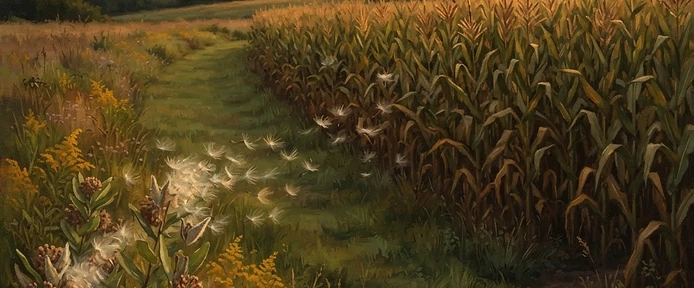
Look at the picture: that's a field where grass meets tall corn. See the little trail coming out of the corner? That's a deer hallway! Deer use the same trails again and again, just like you use the same hallway to get from your room to the kitchen.

Hunters who understand animal favorite places are called good SCOUTS. Scouting means exploring and learning where animals like to be before you ever try to see them up close. And the best part? Scouting is something whole families can do together, any time of year, like a treasure hunt in the woods!

  • Animals have bedrooms (thick cover), kitchens (food spots), and hallways (trails)
  • Deer use the same trails over and over, just like you use your hallway
  • Scouting means learning animal favorite places — it's a family treasure hunt

FIELD NOTE · On your next walk, play 'find the animal rooms' with your grown-up: can you spot a possible bedroom, kitchen, or hallway? Point and explain your guess!

FREE LESSON 2

READING CLUES LIKE A DETECTIVE

Reading Clues Like a Detective

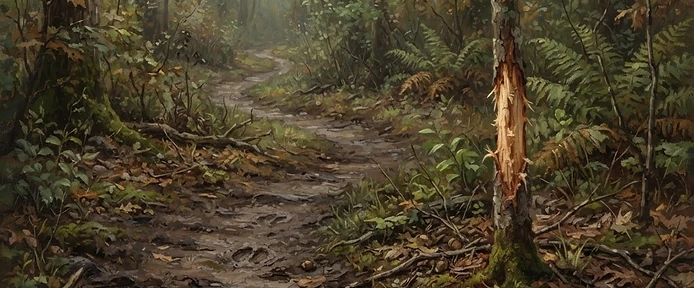
Animals can't talk, but they leave notes everywhere if you know how to read them! Footprints in the mud tell you someone walked by. Deer footprints look like two little teardrops side by side. Big prints mean a big deer; little prints might mean a fawn was following its mama.

Look closely at the picture and you'll see another clue: a small tree with the bark rubbed off. A buck deer did that with his antlers it's like he signed his name on the tree! Detectives call these clues 'sign.' Droppings (animal poop yes, detectives look at poop!), munched plants, and flattened grass beds are all sign too.

Here's the detective's secret: fresh clues are shiny, wet, or crisp. Old clues are dry, crumbly, and faded. A fresh muddy footprint means an animal walked by TODAY. Learning fresh from old tells you if the animals still use this spot that's real detective work!

  • Animal clues are called 'sign' — tracks, rubs, droppings, and beds
  • Deer tracks look like two teardrops; rubbed trees are a buck's signature
  • Fresh sign is shiny and crisp; old sign is dry and faded

FIELD NOTE · Go on a sign hunt with your grown-up after it rains — mud makes the best footprint paper! Take pictures of every track you find and guess who made it.

THE REST OF THIS MISSION

FINISH THE MISSION AND EARN THE TROPHY

  • The Sneaky Wind Carries Your Smell
  • Camera Surprises: The Trail Camera Game
  • Picking the Perfect Sitting Spot
  • The Scouting Notebook: Your Detective Casebook
  • 7 scenario drills and safety checks with instant feedback
  • The mission trophy, added to your child's trophy case
CREATE YOUR FREE PARENT ACCOUNT

NO CARD REQUIRED · TAKES ABOUT A MINUTE

Little Woods Detective

LITTLE WOODS DETECTIVE

LOCKED

FREE PREVIEW · KEEP GOING FOR FREE

CREATE FREE ACCOUNT