 BHH YOUTH HUNTERS ACADEMYBHH ACADEMY
AUGUST 19, 2026
Teaching Young Hunters Effective Wildlife Identification Beyond the Harvest
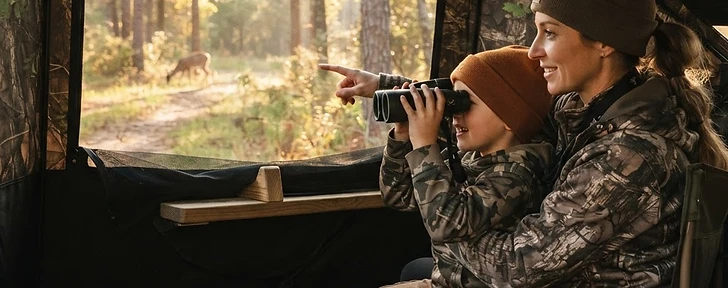
Understanding the Ecosystem Before the Hunt
One of the most rewarding aspects of hunting is the deep connection it builds between a young hunter and the natural world. As parents, we often focus on firearm safety and marksmanship, but true mastery of the field requires a foundational knowledge of wildlife identification. Before your child even considers taking a shot, they should be able to identify the species, sex, and approximate age of the game they are observing. This skill is not just about legality; it is the cornerstone of ethical decision-making and wildlife management.
Why Identification Matters
At BHH Youth Hunters Academy, we teach that hunting is a privilege that comes with the responsibility of being a steward of the environment. By teaching your child to identify animals correctly, you are helping them understand the roles different species play in the ecosystem. Furthermore, many hunting seasons have specific regulations regarding species, gender, or antler point restrictions. Proficiency in identification prevents accidental harvest of the wrong animal and helps build the patience required to be a successful, ethical hunter.
Building Field Identification Skills
Start your journey by making identification a game during your off-season hikes and scouting trips. Use the following strategies to build your child's observational muscles:
- Study the Markings: Use field guides to teach your child how to spot unique physical characteristics of local game, such as ear shape, gait, and tail color.
- Observe Behavior: Many species have distinct movement patterns. Spend time in a blind or observation post without a firearm, simply watching how animals interact with their surroundings.
- Use Technology Wisely: While field guides are essential, digital trail camera photos can be an excellent classroom. Review photos together and ask your child to identify the animal, predict its age, and explain why they made that choice.
- Age and Maturity: Teach them that bigger isn't always better. Understanding the difference between a juvenile and a mature animal helps in making selective harvest choices that benefit the local wildlife population.
The Importance of Patience
When a child is excited, they may be prone to 'buck fever' or the desire to shoot at the first movement they see. Remind them that hunting is a slow process. If they cannot positively identify the animal, they should let it pass. A missed opportunity is always better than an unethical or illegal shot. Encourage them to take their time to confirm their target through optics before touching their firearm.
Ethical Decision Making
Once they have identified the animal, the next step is determining if it is the right shot. Is the animal healthy? Is it in a safe area for recovery? Does the shot meet the criteria for a quick, humane harvest? By walking through these questions during every scouting trip, you are preparing them to make the right decision when the moment of truth arrives.
Starting Your Safety Journey
Wildlife identification is a lifelong pursuit, and the best way to start is with structured, age-appropriate lessons. Whether your child is five or seventeen, there is always more to learn about the animals we share the woods with. We invite you to visit BHH Youth Hunters Academy today to begin your child’s educational journey with our comprehensive, family-focused safety modules designed to build confidence and ethical responsibility in every young hunter.
TRY IT — A REAL ACADEMY DECISION DRILL
The Hidden Target Decision


Your child is positioned in a tree stand with you. A group of deer moves into the clearing. Your child raises their optics but whispers, 'I see movement, but the deer is partially hidden behind thick brush, and I can't tell if it is a buck or a doe.'
What is the best course of action for the young hunter?
HUNTING SAFETY EDUCATION · AGES 5-17
RAISE A SAFE, CONFIDENT YOUNG HUNTER.
Guide your kids through interactive hunting safety missions, real decision drills, and earned trophies — all from one free parent account.