 BHH YOUTH HUNTERS ACADEMYBHH ACADEMY
AUGUST 24, 2026
Teaching Young Hunters Effective Trail Etiquette and Wildlife Respect
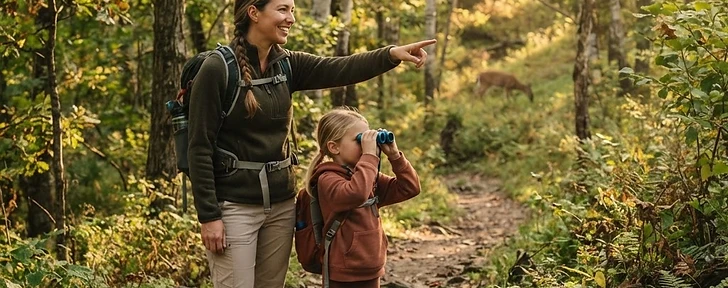
Understanding the Hunter’s Role in the Ecosystem
When we introduce our children to the outdoors, we are doing more than teaching them how to hunt; we are cultivating a sense of stewardship. For a young hunter, the woods should not be viewed merely as a grocery store or a recreational arena. Instead, the forest is a complex, living classroom that demands our respect and careful navigation. Teaching your child about trail etiquette and the ethical treatment of the environment is the foundation of a responsible hunting legacy.
Practicing 'Leave No Trace' Principles
One of the most important lessons a young hunter can learn is to leave the environment exactly as they found it. Whether you are walking to a blind or setting up a long-term tree stand, the goal is to have minimal impact on the local flora and fauna. By teaching your child the 'Leave No Trace' principles, you help them understand that their presence in the woods should be almost invisible.
- Pack it in, pack it out: Never leave trash, snack wrappers, or equipment behind. Even biodegradable items should be carried out.
- Stay on marked trails: When traveling to and from your hunting spot, use established paths to protect sensitive soil and vegetation.
- Leave nature where it belongs: Teach your child to observe rocks, wildflowers, and nests without disturbing them.
The Philosophy of Wildlife Respect
Respect for the animal is the cornerstone of ethical hunting. This starts long before a harvest ever occurs. It begins with the way we talk about the animals we seek and the way we move through their home. When your child observes a deer, a turkey, or even a small squirrel, encourage them to appreciate the animal's behavior and instincts.
Help your child understand that hunting is a somber and serious responsibility. We aren't just 'looking for a target'; we are observers of nature who sometimes act as participants. When we maintain a quiet, humble presence, we honor the life and the spirit of the woods.
Sharing the Woods with Others
Youth hunters must also learn that they are part of a larger community of outdoor enthusiasts. Other hikers, birdwatchers, and fellow hunters may share the same public land. Ethical hunting involves:
- Giving space: If you see someone else in the distance, move quietly and respectfully away.
- Maintaining silence: Excessive noise disrupts the natural rhythm of the forest and ruins the experience for others.
- Prioritizing safety over competition: Never feel pressured to 'claim' a piece of land if it is already occupied.
By modeling this behavior, you teach your child that a true hunter is a polite and considerate neighbor to everyone they meet in the field.
Developing a Stewardship Mindset
Finally, encourage your child to give back to the land. This might mean clearing fallen branches from a local trail, picking up litter left by others, or participating in habitat restoration projects. When kids invest time in caring for the land, their respect for the wildlife that lives on it deepens. This sense of ownership turns a day in the woods into an act of conservation.
Start Your Journey at BHH Youth Hunters Academy
Building a moral compass in the outdoors is a process that requires patience, consistency, and clear guidance. At BHH Youth Hunters Academy, we provide the structured, age-appropriate lessons you need to navigate these complex ethical topics with your child. From basic firearm safety to the nuances of environmental stewardship, our curriculum is designed to help you and your child grow together. Visit BHH Youth Hunters Academy today to begin your first lesson and ensure your young hunter develops the habits of a true sportsman.
TRY IT — A REAL ACADEMY DECISION DRILL
The Litter Dilemma

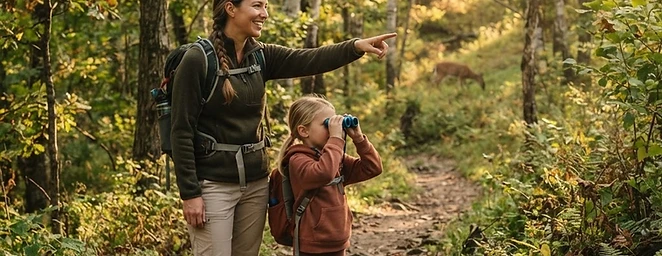
While walking to your hunting blind, your 10-year-old child spots a plastic water bottle left behind by a previous hiker near the base of a tree. They ask you if they should leave it there since it wasn't their trash.
What is the best way to handle this situation to reinforce ethical outdoor habits?
HUNTING SAFETY EDUCATION · AGES 5-17
RAISE A SAFE, CONFIDENT YOUNG HUNTER.
Guide your kids through interactive hunting safety missions, real decision drills, and earned trophies — all from one free parent account.