 BHH YOUTH HUNTERS ACADEMYBHH ACADEMY
SEPTEMBER 5, 2026
Teaching Young Hunters the Importance of Hydration and Nutrition in the Field
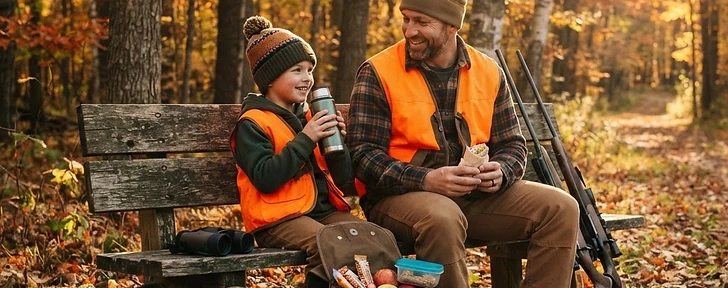
Fueling the Future: Why Nutrition Matters in the Woods
When we think of youth hunter safety, our minds often jump to firearm handling, tree stand protocols, or target identification. However, one of the most overlooked aspects of field safety is the physiological well-being of the young hunter. A child who is dehydrated, hungry, or experiencing a sugar crash is significantly more prone to fatigue, irritability, and—most importantly—lapses in concentration. Ensuring your child is properly fueled is not just about comfort; it is a fundamental safety practice that keeps them sharp, aware, and ready for the field.
The Physiology of a Focused Hunter
Hunting requires long periods of waiting interspersed with moments that demand intense focus. For a child, sitting still for hours in variable temperatures takes a massive toll on their metabolic reserves. When blood sugar levels drop, the brain is the first organ to show signs of distress. Cognitive functions, including reaction time, situational awareness, and the ability to process safety instructions, begin to decline.
By keeping your young hunter's body regulated, you are directly investing in their mental readiness. A child who has eaten a balanced meal is far better equipped to handle the physical rigors of the woods than one fueled solely on high-sugar snacks that cause rapid spikes and crashes.
Building a Hunting Day Nutrition Plan
Preparation starts the night before. Hydration and energy storage are cumulative processes. Here is how to structure your field menu for success:
- Prioritize Complex Carbohydrates: The night before a hunt, encourage a balanced meal with slow-burning fuels like pasta, brown rice, or oats. This provides sustained energy for the early morning hike.
- The Power of Frequent, Small Snacks: Avoid heavy meals in the field that trigger drowsiness. Opt for trail-friendly snacks like nuts, dried fruit, jerky, or energy bars that provide a mix of protein and healthy fats.
- Water Over Soda: Plain water is the gold standard. Even mild dehydration can lead to headaches and fatigue. Make it a habit for your child to take a sip every time you perform a routine equipment check.
- Temperature-Responsive Choices: In cold weather, a thermos of warm broth or hot cocoa can keep a child’s core temperature up and spirits high. In hot weather, emphasize electrolyte replenishment to avoid heat-related exhaustion.
Managing the 'Hungry-Angry' Factor
We have all seen the 'hangry' phase. In a high-stakes environment like hunting, emotional regulation is vital. If a child is frustrated by hunger, their patience wears thin. They may start to fidget or lose interest in the ethical aspects of the hunt. Keeping a 'Safety Snack' stash that only comes out during breaks allows you to control the timing and quality of their intake while turning nutrition into a positive, rewarding part of the experience.
Start Your Safety Journey Today
Safety is a holistic discipline. It covers everything from how we handle our gear to how we care for our bodies in the wild. At BHH Youth Hunters Academy, we believe that education should be a shared experience between parent and child. Whether you are learning about physical preparation or advanced field safety, our modular lessons are designed to build confidence in every young hunter. Visit BHH Youth Hunters Academy today to explore our age-matched safety courses and start your journey together.
TRY IT — A REAL ACADEMY DECISION DRILL
The Afternoon Lull

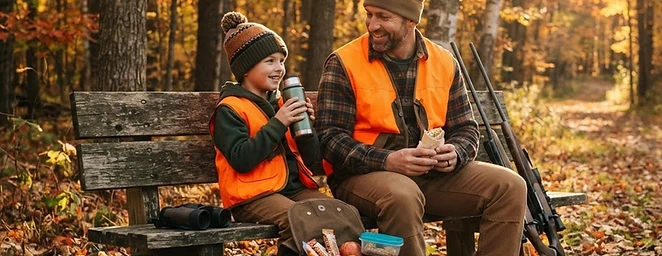
You are three hours into an afternoon hunt. Your 10-year-old child starts yawning, fidgeting, and complaining that they are bored and cold, even though the temperature is manageable. They haven't had a snack or water since lunch.
What is your best immediate course of action?
HUNTING SAFETY EDUCATION · AGES 5-17
RAISE A SAFE, CONFIDENT YOUNG HUNTER.
Guide your kids through interactive hunting safety missions, real decision drills, and earned trophies — all from one free parent account.