 BHH YOUTH HUNTERS ACADEMYBHH ACADEMY
OCTOBER 14, 2026
Teaching Young Hunters the Importance of Hunting Ethics and Restraint
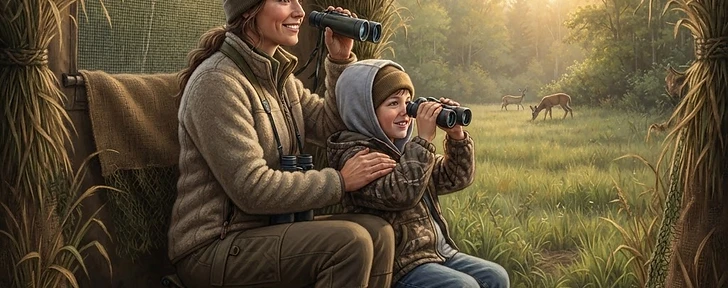
Understanding the Concept of Restraint in Hunting
For many young hunters, the excitement of being in the woods is tied to the prospect of a successful harvest. However, one of the most vital lessons you can pass on as a parent is the art of restraint. Hunting is not merely about pulling a trigger; it is about making calculated, ethical decisions. Developing this sense of self-discipline begins long before your child even picks up a firearm.
Restraint is the ability to walk away from a shot that isn't perfect, even when the pressure to perform feels high. It is the wisdom to recognize when the situation is not ideal and the strength of character to prioritize the animal's welfare over personal success. By teaching these concepts early, you are shaping a hunter who values the process and the tradition as much as the outcome.
Why Restraint Matters for Your Child
Instilling restraint does more than just make your child a more ethical hunter; it fosters maturity. When a child learns to pause and evaluate the variables—distance, light, backdrop, and animal behavior—they are engaging in a high-level cognitive exercise. This builds patience, critical thinking, and a profound respect for the natural world.
How to Model Ethical Restraint
Children learn by observing their parents. If you exhibit frustration when a hunt doesn't result in a harvest, your child will learn that hunting is only 'worth it' when successful. Instead, model the following behaviors:
- Narrate Your Thought Process: When you are in the field, talk through what you see. 'The light is fading, and I can't be certain of my target, so I am going to let this one pass.'
- Focus on the Journey: Celebrate the wildlife sightings, the tracks you found, and the quiet moments in the stand. Teach them that a 'bad' day in the woods is still a great day if it’s spent in nature.
- Define 'Success' Broadly: Help them realize that a successful hunt is one where safety was prioritized, the land was respected, and everyone returned home having learned something new.
Recognizing When to Pass
One of the most powerful phrases a young hunter can learn is, 'I’m not taking that shot.' To help them arrive at this conclusion confidently, practice these scenarios at home. Discuss the 'Three Pillars of Restraint':
- Target Identification: If you cannot 100% identify the sex, species, or condition of the animal, you do not pull the trigger.
- Backdrop Awareness: Is there anything behind the target? If the environment is cluttered or unsafe, hold off.
- Shot Proficiency: Is the animal within your child’s tested, comfortable range? If it is a 'stretch,' it is an 'unethical' shot.
Teaching Self-Regulation
Sometimes, the toughest part of restraint is dealing with the 'buck fever' or the rush of adrenaline. Teach your child deep breathing techniques. When they feel their heart racing, a few deep breaths can help them settle their mind, look through the optic, and make a rational decision rather than an emotional one. Always remind them that there will always be another day and another season. The animal deserves a clean, quick, and ethical encounter.
Start Your Journey Together
Ethics are not learned overnight; they are cultivated through consistent, positive mentorship. By guiding your child through these tough decisions now, you are building the foundation for a lifetime of ethical, responsible, and safe hunting practices.
We invite you to continue this journey by exploring our age-matched safety lessons at BHH Youth Hunters Academy. Together, we can prepare the next generation to be stewards of the land and leaders in the hunting community.
TRY IT — A REAL ACADEMY DECISION DRILL
The Deciding Moment

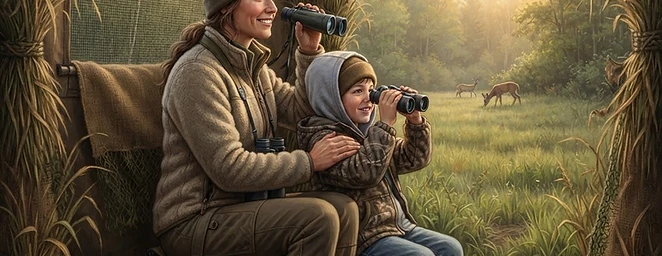
You and your child are sitting in a ground blind. A deer appears about 100 yards away, but it is standing near a thicket of brush, and the light is starting to fail, making it difficult to clearly define the vital zone.
What is the most ethical action for your child to take in this situation?
HUNTING SAFETY EDUCATION · AGES 5-17
RAISE A SAFE, CONFIDENT YOUNG HUNTER.
Guide your kids through interactive hunting safety missions, real decision drills, and earned trophies — all from one free parent account.