 BHH YOUTH HUNTERS ACADEMYBHH ACADEMY
OCTOBER 25, 2026
Teaching Young Hunters the Importance of Ethical Harvest Documentation and Journaling

Building a Legacy Through Reflection
For many young hunters, the excitement of the hunt is often centered around the harvest. However, at BHH Youth Hunters Academy, we believe the most valuable lessons often happen after the gear is cleaned and the adrenaline fades. One of the best ways to foster a lifelong commitment to conservation and ethical stewardship is by teaching your child how to document their experiences through a hunting journal.
Why Journaling Matters for Young Hunters
Encouraging your child to write about their time in the woods helps them transition from 'participating' in a hunt to 'understanding' the ecosystem. When a child takes the time to record details about their day, they begin to notice patterns in animal behavior, weather changes, and their own growth as a hunter. This practice transforms a single event into a learning opportunity that lasts a lifetime.
Furthermore, keeping a journal helps reinforce ethical decision-making. By asking your child to reflect on why they passed on a shot or how they approached a specific terrain, you help them internalize the 'why' behind the rules. It turns abstract safety guidelines into personal experiences they can look back on and refine.
What to Include in a Youth Hunting Journal
If you are wondering how to get started, keep it simple. You don't need a fancy leather-bound book—a basic notebook works perfectly. Encourage your child to track the following elements:
- Date and Location: Simple metadata helps track seasonal movements.
- Weather Conditions: Note the temperature, wind direction, and cloud cover.
- Wildlife Observed: Even if it wasn't a harvestable animal, documenting songbirds, squirrels, or tracks builds observation skills.
- Ethical Reflections: Ask your child to describe one moment where they felt proud of their safety or patience.
- Sketches or Photos: Adding a small drawing of the landscape or a photo of the habitat helps ground the entry in reality.
Turning Observations into Lessons
When you sit down together to write in the journal, use it as a teaching moment. If your child mentions they saw a deer but didn't have a clean shot, praise their restraint. If they describe a moment where they felt unsure about a safety procedure, use that as a jumping-off point to review your BHH Youth Hunters Academy lessons. By making the journal a space for honest reflection rather than just a 'trophy list,' you create a safe environment where your child feels comfortable discussing their mistakes and successes.
Cultivating a Stewardship Mindset
Hunting is about more than the end result; it is about the stewardship of the land and the animals we pursue. Documenting the habitat and the environment teaches children to respect the woods. When they record how many miles they walked or how much trash they picked up along the trail, they start to view themselves as protectors of the outdoors rather than just visitors.
Start Your Journey Today
Every great hunter began with a curiosity about the natural world. By pairing your time in the field with consistent, thoughtful documentation, you are giving your child the tools to be a more deliberate, safe, and ethical sportsman. As you navigate these early seasons together, remember that we are here to support your family every step of the way.
Start your child’s educational path today by visiting BHH Youth Hunters Academy. We offer age-matched safety lessons that provide the foundation for every successful hunting memory. Let’s work together to build a safe, ethical, and responsible next generation of hunters.
TRY IT — A REAL ACADEMY DECISION DRILL
Make the Call: The Journaling Dilemma

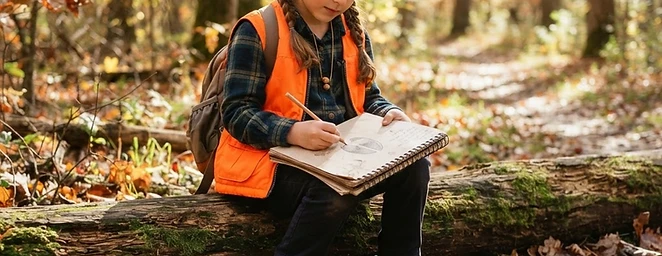
You and your child are sitting in a blind. Your child sees a buck but decides not to take the shot because the distance is slightly further than they practiced at the range. Back at home, they start writing in their journal.
What is the best way to record this specific event to reinforce ethical hunting behavior?
HUNTING SAFETY EDUCATION · AGES 5-17
RAISE A SAFE, CONFIDENT YOUNG HUNTER.
Guide your kids through interactive hunting safety missions, real decision drills, and earned trophies — all from one free parent account.