 BHH YOUTH HUNTERS ACADEMYBHH ACADEMY
NOVEMBER 10, 2026
Teaching Young Hunters the Fundamentals of Ethical Wildlife Observation and Scouting
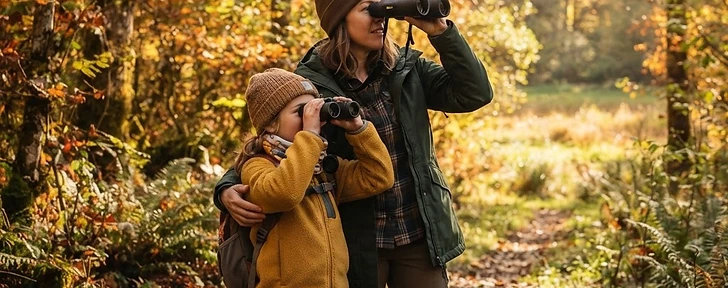
Introduction to Scouting with Your Child
For many young hunters, the excitement of the sport is centered on the moment of the harvest. However, seasoned mentors know that the true heart of hunting lies in the quiet hours spent in the woods before the season ever begins. Scouting and wildlife observation are not just preparatory tasks; they are the foundation of ethical hunting. By involving your child in these processes, you teach them to respect the animal, understand their habitat, and develop the patience required for a successful, safe outing.
Why Scouting Matters for Young Hunters
Scouting allows children to learn the rhythms of the wild without the pressure of having a firearm in hand. It is an educational tool that helps kids understand why wildlife chooses specific bedding areas, how they move through the terrain, and what they require for survival. When a child learns to observe an animal in its natural state, they develop a sense of stewardship that goes far beyond simply taking a shot. They become protectors of the resource, learning to identify the signs of health and activity in their local woods.
Teaching the Art of Observation
To help your child become an effective observer, you must teach them to engage all their senses. Hunting is often thought of as a visual pursuit, but it is actually a sensory experience. Here is how you can guide them:
- Silence and Movement: Teach your child how to walk softly by placing the heel first and testing the ground before committing their weight. This movement style minimizes noise and prevents accidental falls.
- Scanning Patterns: Show them how to scan the horizon in sections rather than staring at one point. Explain that wildlife often breaks the pattern of the landscape with a flick of an ear or a twitch of a tail.
- Identifying Sign: Spend time pointing out tracks, scat, rubs, and bedding areas. Encourage your child to ask questions about why the animal left a particular sign, which fosters critical thinking skills.
- Wind Awareness: Demonstrate how the wind carries scent. Using a simple wind checker tool is a great way to show them how invisible forces dictate how and where animals travel.
Developing Ethical Stewardship
When a child spends time observing wildlife, they begin to form an emotional bond with the landscape. This is the cornerstone of ethical behavior. If a child understands that they are stepping into the living room of a deer or turkey, they are more likely to behave with reverence and caution.
Always remind your child that they are guests in the wilderness. Respecting the habitat means not damaging foliage, avoiding disturbing nesting sites, and leaving the area exactly as they found it. This "Leave No Trace" mindset is essential for modern hunters who want to ensure there is abundant wildlife for generations to come.
Practical Steps for Parents
Keep your scouting trips focused on education rather than productivity. If you don't spot an animal, that’s okay—use the time to identify bird species, track other creatures, or talk about the changing weather patterns. By keeping these experiences low-stakes, you prevent the child from becoming frustrated and keep the fun of discovery alive.
Always verify local regulations regarding pre-season scouting on public lands, as every state has different rules about equipment and timing. Beyond the rules, focus on the bond you are building. The lessons learned while looking through binoculars on a crisp morning will stick with your child far longer than any specific harvest.
Join the Community
Scouting and observation are journeys that never truly end. As your child grows, their ability to interpret the landscape will sharpen, making them a more capable and ethical hunter. To ensure your child is prepared for their first real field experience, start with the age-matched safety lessons available at BHH Youth Hunters Academy today. Our courses provide the structure and guidance you need to mentor the next generation of safe, ethical hunters.
TRY IT — A REAL ACADEMY DECISION DRILL
The Scouting Discovery

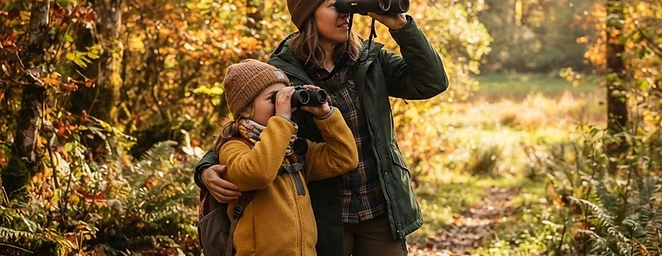
You and your child are scouting a new area when you find a fresh, well-used game trail. Your child is excited and wants to immediately set up a blind right in the middle of the trail to see what comes by.
What is the best way to handle this situation while maintaining ethical observation standards?
HUNTING SAFETY EDUCATION · AGES 5-17
RAISE A SAFE, CONFIDENT YOUNG HUNTER.
Guide your kids through interactive hunting safety missions, real decision drills, and earned trophies — all from one free parent account.