 BHH YOUTH HUNTERS ACADEMYBHH ACADEMY
SEPTEMBER 7, 2026
Teaching Young Hunters the Fundamentals of Ethical Game Calling
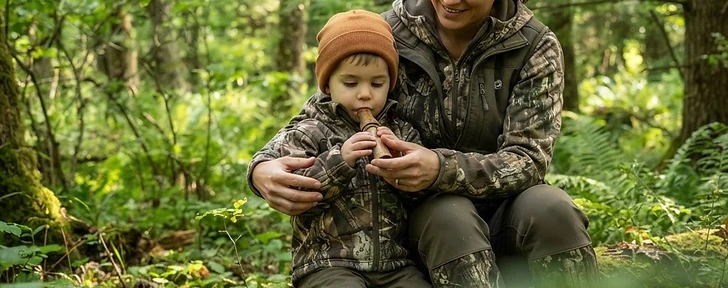
Introduction to Ethical Calling
Game calling is one of the most rewarding aspects of hunting, as it brings the hunter into an active conversation with the wild. For youth hunters, learning to use calls—whether for turkeys, ducks, or deer—is a bridge between observation and participation. However, it requires more than just mastering a sound; it requires a deep understanding of ethics, safety, and wildlife behavior. At BHH Youth Hunters Academy, we believe that learning to call is about patience, respect for the animal, and responsible field conduct.
Why Ethics Matter in Calling
The primary goal of ethical calling is to avoid stressing the animal or compromising its natural behavior. When a child learns that calling isn't just about 'tricking' an animal into range, but rather mimicking natural social structures, they develop a profound respect for the wildlife they pursue. Teaching your child that not every vocalization requires a response is a critical first step. Sometimes, silence is the most effective tool in the woods.
The Three Pillars of Safe and Ethical Calling
- Location and Positioning: Before your child picks up a call, establish a safe setup. Ensure that the caller is positioned where they can clearly see approaching wildlife without being silhouetted or exposed.
- Sound Mimicry and Restraint: Over-calling is a common mistake for beginners. Teach your child that natural wildlife sounds are often infrequent and subtle. Emphasize that quality of sound is vastly more important than quantity.
- Positive Identification: Always reinforce that just because an animal responds to a call, it does not mean it is a legal or ethical harvest. The call serves to attract, but the final decision to harvest must always follow strict identification protocols.
Managing Expectations in the Field
It is natural for a young hunter to feel impatient when they don't receive an immediate response. Use these moments to teach the 'art of the sit.' Explain that animals have keen senses and that calling, while powerful, can also alert animals to human presence if done improperly. If an animal seems spooked, have your child stop calling immediately. Teaching them to read the animal’s body language is just as important as the sound produced by the call.
Safety Protocols for Calling Partners
When a parent and child hunt together, the roles must be clear. If the child is calling, the parent should be focused on spotting and safety monitoring. If the parent is calling, the child should be focusing on target acquisition and steadying their firearm. Establish a set of non-verbal signals—a simple tap on the shoulder or a specific hand gesture—to indicate that an animal is approaching and it is time to stop calling and prepare for a safe shot.
Avoiding Conflicts with Other Hunters
Ethical calling also means respecting other hunters in the area. Discourage your child from calling in areas where they hear other hunters already working an animal. This prevents dangerous situations and ensures that everyone has a fair, safe experience on public or shared land. Teach your child that sportsmanship means yielding to the first hunter who established a setup.
Getting Started at BHH Youth Hunters Academy
Mastering the nuances of game calling takes practice, safety awareness, and ongoing mentorship. As you begin this journey with your child, remember that every successful call is a victory in communication, regardless of whether a harvest occurs. Are you ready to dive deeper into hunter safety and ethics? We invite you to explore our age-matched safety lessons at BHH Youth Hunters Academy, where we provide the foundational tools to help your child become a safe, ethical, and confident outdoorsperson.
TRY IT — A REAL ACADEMY DECISION DRILL
The Over-Calling Dilemma

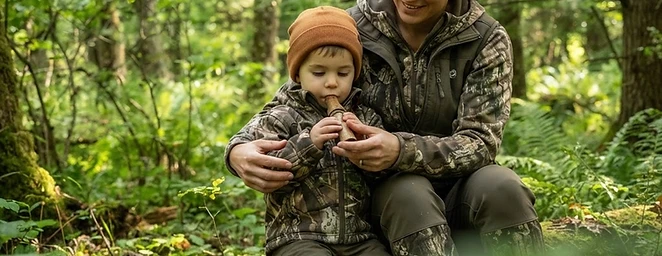
Your child is set up with a turkey call and has been calling for ten minutes. They hear a faint response from a gobbler, but it is moving away from your position. Your child is getting excited and wants to call aggressively and constantly to keep the bird's attention.
What is the best way to handle this situation as a mentor?
HUNTING SAFETY EDUCATION · AGES 5-17
RAISE A SAFE, CONFIDENT YOUNG HUNTER.
Guide your kids through interactive hunting safety missions, real decision drills, and earned trophies — all from one free parent account.