 BHH YOUTH HUNTERS ACADEMYBHH ACADEMY
OCTOBER 13, 2026
Teaching Young Hunters the Fundamentals of Ethical Field Manners and Woods Etiquette


Building Character in the Woods
When we take our children into the outdoors, we aren't just teaching them to be hunters; we are teaching them to be stewards of the land and respectful members of the hunting community. While technical skills like target identification and firearm safety are foundational, the 'soft skills'—what we call field manners and woods etiquette—are what truly shape a child into an ethical sportsman. These behaviors often go unnoticed by the public but are the glue that holds our hunting heritage together.
Understanding Respectful Conduct
Field manners refer to how a hunter carries themselves, treats the land, and interacts with other people and wildlife while in the field. Even when no one is watching, an ethical hunter adheres to a high standard of conduct. Teaching these values starts long before you reach the tree stand.
Core Pillars of Woods Etiquette
-
Respecting the Landowner: Always seek permission, arrive on time, and leave the property exactly as you found it. If you pass through a gate, close it. If you see litter that isn't yours, pick it up. Your child will mimic your behavior toward the land.
-
Maintaining Silence and Decorum: The woods are a place of peace. Teach your child that loud talking, unnecessary movement, or playing games on a phone destroys the experience for others and changes the behavior of the wildlife. Emphasize the beauty of listening to the forest.
-
Respecting Other Hunters: If you encounter another hunter on public land, give them plenty of space. Never crowd someone’s setup. A true sportsman acknowledges others with a friendly wave and continues on their way, ensuring no one’s hunt is compromised.
-
Humility in the Harvest: Teach your child to treat the animal with the utmost dignity. Whether it is a successful day or a 'tag soup' day, the focus should be on the experience, the hard work, and the gratitude for the opportunity to be outdoors.
Modeling Behavior as a Parent
Your child learns more from what you do than what you say. If you rush through field dressing, complain about the weather, or cut corners on safety, your child will learn that hunting is about convenience. Conversely, if you take the time to explain why we respect property lines and why we are quiet, you are building a foundation of integrity.
Discuss the 'why' behind your actions. Explain that woods etiquette isn't just a list of rules; it is a way to show we belong in nature, not as conquerors, but as respectful participants. By demonstrating patience and kindness, you are preparing your child to navigate the complexities of ethical hunting for a lifetime.
Getting Started
Teaching these values requires consistency and intentionality. At BHH Youth Hunters Academy, we provide age-matched safety and ethics lessons designed for parents and kids to complete together. Whether your child is 5 or 17, our curriculum builds the confidence and moral compass they need to succeed. Enroll today to begin your journey toward raising a safe, ethical, and respectful young hunter.
TRY IT — A REAL ACADEMY DECISION DRILL
Make the Call: The Encounter
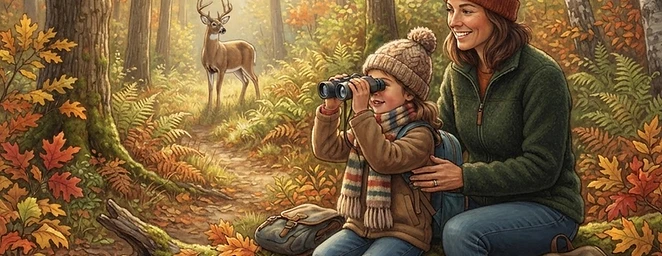
You and your child are walking toward your hunting spot on public land. Suddenly, you notice another hunter setting up their gear just 50 yards away, directly in the direction you were heading. What do you do?
Choose the most ethical and polite way to handle this situation.
HUNTING SAFETY EDUCATION · AGES 5-17
RAISE A SAFE, CONFIDENT YOUNG HUNTER.
Guide your kids through interactive hunting safety missions, real decision drills, and earned trophies — all from one free parent account.