 BHH YOUTH HUNTERS ACADEMYBHH ACADEMY
AUGUST 7, 2026
Teaching Young Hunters Shot Placement and Animal Recovery Ethics
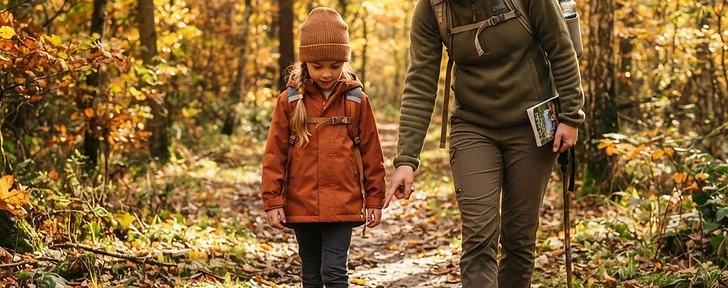
Understanding the Ethical Shot
For many young hunters, the anticipation of the hunt focuses heavily on the sighting of game. However, the most critical moment in the hunting experience happens in the seconds before and after the shot. As a parent, your role is to guide your child beyond the excitement of the harvest and toward a deep understanding of shot placement and the ethical obligation to recover game.
Ethical hunting begins with recognizing one's personal limitations. Teaching your child that they should only take shots they are confident in—based on range, visibility, and animal position—is the cornerstone of a responsible hunter. If a shot isn't perfectly presented, the most ethical choice is to let the animal walk away.
Anatomy and Shot Placement
Before ever heading to the field, use educational models or diagrams to teach your child about animal anatomy. Understanding where the vital organs—the heart and lungs—are located is essential for ensuring a quick and humane harvest.
- The Vitals Zone: Explain that the chest cavity contains the heart and lungs, which provide the cleanest, most efficient target.
- The Quartering Angle: Teach them how a slight change in the animal's stance changes the required aiming point. A broadside shot is the gold standard for beginners.
- The 'No-Shot' Scenarios: Be very clear about when not to shoot, such as when the animal is moving too fast, is obscured by brush, or when there is doubt about the animal's identity or what lies behind it.
The Responsibility of Recovery
Once the shot is fired, the work is only half finished. An ethical hunter is committed to recovering the animal, regardless of how long it takes or how difficult the terrain. This is a vital lesson in humility and persistence.
If a shot is taken, teach your child to remain calm and observe the animal's reaction. Did it stumble? Did it kick? Did it run off seemingly untouched? Note the exact location of the animal when the shot was fired and where it was headed when it disappeared from view. Waiting quietly for a period—often 30 minutes to an hour—is a standard practice that prevents jumping the animal and forcing it to run further than necessary.
Practicing Tracking Skills Together
Tracking is an art form you can practice together before the season begins. Spend time in the woods looking for sign: disturbed leaves, broken twigs, or droplets of blood. Use water mixed with food coloring to create a 'blood trail' that your child can follow. This builds their confidence in their observation skills and reinforces that hunting is a process that requires patience, not just a trigger pull.
Modeling Respect for the Resource
How you talk about the animal after the shot matters. Encourage your child to approach the animal with respect and to take a moment to reflect on the life taken. This internalizes the seriousness of the hunt and moves the experience from a sport to a meaningful engagement with the natural world.
Remember, your child is watching your reactions and learning your values. By demonstrating patience and a commitment to high ethical standards, you are helping them become a steward of the land. If you are looking for structured guidance on these topics, start your age-matched safety lessons with your child at the BHH Youth Hunters Academy today.
TRY IT — A REAL ACADEMY DECISION DRILL
The Uncertain Shot

Your child is aiming at a deer at 50 yards. The deer is currently walking through thick brush, and while the vitals area is occasionally visible, the shot is consistently obscured by branches and moving shadows.
What should your child do in this situation?
HUNTING SAFETY EDUCATION · AGES 5-17
RAISE A SAFE, CONFIDENT YOUNG HUNTER.
Guide your kids through interactive hunting safety missions, real decision drills, and earned trophies — all from one free parent account.