 BHH YOUTH HUNTERS ACADEMYBHH ACADEMY
SEPTEMBER 8, 2026
Teaching Young Hunters the Importance of Physical Conditioning and Stamina
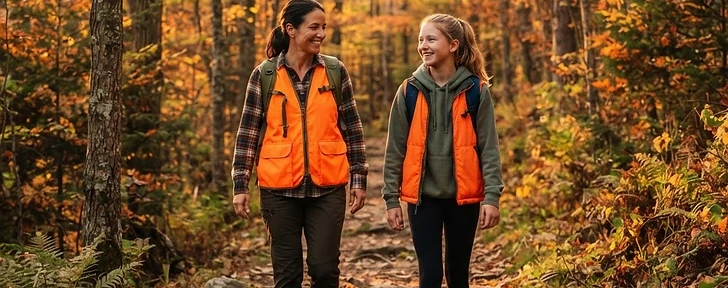
Why Physical Conditioning Matters for Young Hunters
Hunting is often portrayed as a stationary activity, but any experienced outdoorsman knows that the moments of waiting are built upon a foundation of active endurance. For youth hunters, the transition from backyard play to a real-world hunting environment can be physically demanding. Building physical conditioning isn't just about athletic performance; it is a critical component of hunter safety.
When a child becomes overly fatigued, their decision-making capabilities diminish. Tired muscles lead to shaky hands, heavy eyelids, and a decrease in situational awareness. By prioritizing physical readiness, you are setting your child up for a safer, more enjoyable experience in the field.
The Link Between Fatigue and Safety
Safety in the field requires constant vigilance. A hunter must be aware of their surroundings, the location of their firearm, the behavior of the animal, and the position of their hunting partners. When a young hunter is physically exhausted from a long hike or struggling with the weight of their pack, their internal 'safety sensor' often starts to drift.
Fatigue often manifests as:
- Reduced focus on muzzle discipline.
- Impatience, leading to poor shot selection.
- Slouching or poor posture, which can affect shooting stability.
- Decreased reaction time when encountering unexpected terrain hazards.
Age-Appropriate Conditioning Strategies
Physical preparation should be fun, consistent, and scaled to your child’s age. The goal is to build endurance gradually so that hunting feels like a natural extension of their active play.
1. Build Endurance Through Hiking
Start by taking regular weekend walks in terrain similar to where you plan to hunt. Carry a light pack with some essentials like water and snacks to simulate the weight they will eventually carry. This acclimates their legs to uneven ground and strengthens their ankles.
2. Strengthen Core Stability
Core strength is vital for maintaining balance while climbing into a treestand or holding a steady aim. Simple bodyweight exercises at home, such as planks, squats, and lunges, can be framed as 'hunting training' to keep them engaged.
3. Practice Low-Impact Agility
Hunting requires moving quietly through brush. Obstacle courses in the backyard—climbing over logs, ducking under branches, and stepping over simulated 'stream' gaps—help children develop coordination and spatial awareness.
Nutrition and Stamina
Physical conditioning is half the battle; the other half is fuel. A young hunter’s body burns energy rapidly. Teach your child that high-protein, slow-burning energy sources are better for the field than sugary snacks. Proper hydration is equally vital; even mild dehydration can cause significant brain fog, making it harder for a child to follow safety protocols.
Setting Realistic Expectations
As a parent, your most important role is to monitor your child's physical cues. If they are dragging their feet, complaining of excessive soreness, or having trouble maintaining interest, it is time for a break. Pushing past physical limits is a recipe for an accident. Respecting their physical capacity is a mark of a responsible hunting mentor.
Start Your Journey Today
Preparing your child for the physical demands of the hunt is a journey that brings you closer together. At BHH Youth Hunters Academy, we provide the structured safety education you need to complement this physical training. Our age-matched safety modules ensure that your child learns the rules of the woods at a pace that matches their development. Visit BHH Youth Hunters Academy today to begin your child’s hunter education journey with confidence.
TRY IT — A REAL ACADEMY DECISION DRILL
The Long Hike Challenge

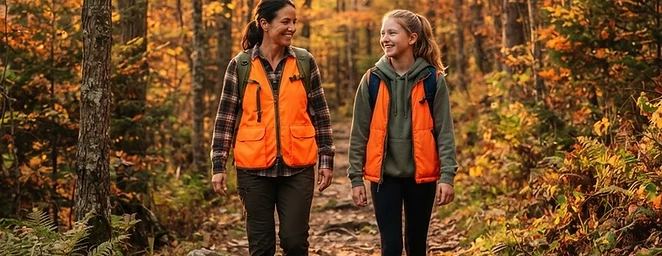
You and your 12-year-old are hiking toward your blind. It has been a two-mile trek uphill, and your child is starting to walk with a heavy gait, their shoulders are hunched, and they have stopped responding to your questions about the trail conditions. You still have 30 minutes to go.
What is the safest way to handle this situation?
HUNTING SAFETY EDUCATION · AGES 5-17
RAISE A SAFE, CONFIDENT YOUNG HUNTER.
Guide your kids through interactive hunting safety missions, real decision drills, and earned trophies — all from one free parent account.