 BHH YOUTH HUNTERS ACADEMYBHH ACADEMY
AUGUST 30, 2026
Teaching Young Hunters the Importance of Mental Preparedness and Emotional Regulation
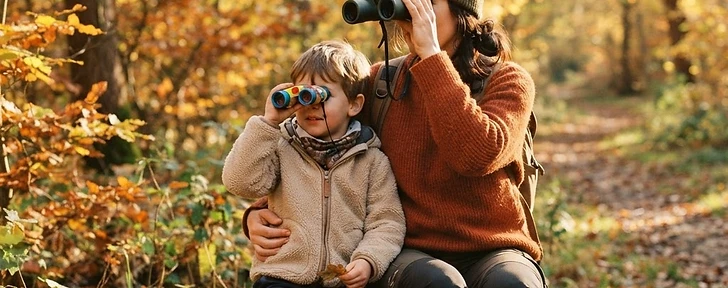
Understanding the Mental Game of Hunting
When we think about youth hunting safety, our minds often jump immediately to firearm mechanics, blaze orange requirements, or trail navigation. While these are critical, there is an often-overlooked component that is equally vital: the mental and emotional state of the young hunter. Hunting requires patience, resilience, and the ability to maintain composure under pressure. Helping your child develop these internal tools is one of the most significant responsibilities you have as a mentor.
The Role of Emotional Regulation
Children experience the world with big, raw emotions. When a child sees wildlife for the first time, the rush of adrenaline can be overwhelming. This excitement, while a natural part of the outdoor experience, can lead to impulsive decisions—like moving too quickly, speaking loudly, or losing focus on safety protocols.
Emotional regulation in the field isn't about suppressing joy; it’s about channeling that intensity into focus. Start by modeling calm behavior yourself. If you encounter a moment of stress or a change in weather, narrate your internal process: 'I see the clouds darkening, so I am going to stay calm, assess our location, and decide if we should head back to the truck.' By verbalizing your own regulation, you provide a blueprint for your child.
Building Patience Through Observation
One of the biggest hurdles for youth hunters is the reality of downtime. Hunting often involves long periods of waiting, which can be difficult for energetic kids. If a child becomes bored, they are more likely to fidget or become distracted, which increases the risk of accidents.
Instead of viewing these lulls as 'dead time,' reframe them as opportunities for learning. Use these moments to:
- Identify non-game species, such as birds or squirrels, to keep their focus on the forest ecosystem.
- Discuss the wind direction and how it impacts their movement.
- Practice silent, careful movement techniques, which build physical coordination and focus.
Developing Resilience When Things Don't Go to Plan
Not every trip results in a harvest, and sometimes, things go wrong. A missed shot, a wet boot, or a missed opportunity to see game can be emotionally crushing for a child. These moments are actually your best teaching opportunities.
Teach your child that the value of the hunt is not strictly found in the harvest. Celebrate the 'why'—the time spent together, the physical challenge, and the connection to the land. When they face a disappointment, acknowledge their feelings, but encourage a perspective of growth. Ask them, 'What did you learn today that will help you be more prepared for next time?' This shifts their focus from failure to future improvement.
Establishing Pre-Hunt Mental Routines
Just as you pack your gear, you should 'pack' your mental state before heading out. Create a pre-hunt ritual that resets their focus. This might include a quick 'safety huddle' where you discuss the day's goals and review the rules one last time. This simple routine helps move the child from a casual, distracted mindset to the deliberate, attentive state required for hunting.
The Intersection of Ethics and Focus
Ethical decision-making is impossible without mental clarity. A child who is overexcited or exhausted is significantly more likely to make an impulsive choice, such as taking an unsafe shot or failing to properly identify a target. By emphasizing that hunting is a serious pursuit that demands our full attention, you instill a deep respect for the animal and the privilege of being in the field.
Start Your Journey Today
Preparing your child for the mental demands of hunting is a journey you don't have to take alone. At BHH Youth Hunters Academy, we provide structured, age-appropriate lessons that go beyond the basics to help children build the confidence and situational awareness they need. Visit us today to start your first safety module and begin building a lifetime of safe, ethical, and memorable hunting experiences together.
TRY IT — A REAL ACADEMY DECISION DRILL
The Over-Excited Hunter

You and your child have been sitting for three hours. Suddenly, a deer appears about 60 yards away. Your child sees it, stands up abruptly, begins trembling with excitement, and reaches for their firearm without taking a breath to steady themselves.
What is the best way to handle this immediate situation to ensure safety and ethical behavior?
HUNTING SAFETY EDUCATION · AGES 5-17
RAISE A SAFE, CONFIDENT YOUNG HUNTER.
Guide your kids through interactive hunting safety missions, real decision drills, and earned trophies — all from one free parent account.