 BHH YOUTH HUNTERS ACADEMYBHH ACADEMY
OCTOBER 18, 2026
Teaching Young Hunters the Importance of Mental Focus and Patience in the Field

Building the Mental Framework for Successful Hunting
When we think about hunter safety, our minds often jump to physical skills: muzzle control, identifying a target, or proper gear use. However, one of the most critical, yet often overlooked, aspects of a safe and successful hunting experience is the mental discipline of the young hunter. Hunting requires high levels of patience and a consistent ability to maintain focus, even when the hours are long or the action is slow. For a child, sitting still in the woods is a significant challenge. By teaching your child to cultivate a calm, focused mindset, you are not just improving their chances of a successful harvest—you are helping them stay alert and safe.
The Connection Between Patience and Safety
Why does patience matter for safety? An impatient hunter is more likely to rush. They might cut corners, move too quickly through dense brush, or make poor decisions regarding shot selection because they are 'tired of waiting.' When a young hunter learns to embrace the stillness of the woods, their situational awareness actually increases. They become observers of the environment rather than just participants in a rush to finish the hunt. This mental state allows them to notice small details—a shift in the wind, a change in bird calls, or the movement of a companion—that they might otherwise miss.
Practical Strategies to Build Focus
Developing mental stamina doesn't happen overnight. Here are several ways you can help your child build the necessary patience:
- Start with Short Sessions: Do not expect a six-year-old to sit for three hours. Start with 30-minute observation windows and slowly increase the duration as their confidence and comfort grow.
- Gamify Observation: Turn the wait into a learning game. Ask them to identify five distinct sounds they hear in the woods or three different types of trees near your stand. This keeps their mind active and engaged.
- Practice 'Still' Time at Home: You can simulate hunting conditions in your backyard. Set up a comfortable chair or a small ground blind and spend time just watching the wildlife in your own yard. This builds the habit of quiet observation in a low-pressure environment.
- Encourage Journaling: Have your child bring a small notebook. Let them sketch what they see or write down observations about the weather and animal behavior. This gives them a productive way to use their energy during lulls.
Managing Expectations and Emotions
It is vital that parents manage their own expectations as well. If a child feels pressured to 'get something,' their stress levels rise, and their ability to stay calm and safe diminishes. Frame the hunting experience around the entire process of being outdoors—the hike in, the setup, the animal identification, and the quiet appreciation of nature. When the focus is on the experience rather than the outcome, the child is much more likely to remain patient and attentive throughout the day.
Stay Alert, Stay Safe
When your child does get restless, it is an opportunity for a lesson on safety. Use those moments to review their gear, check their hydration levels, or have a quiet, whispered conversation about what they would do if they saw a target. This resets their brain, refocuses their eyes, and reinforces the importance of being present in the woods.
Teaching patience is a journey that lasts a lifetime. By helping your child develop these mental skills now, you are laying a foundation for a lifetime of ethical, safe, and rewarding hunting experiences. We invite you to join us at BHH Youth Hunters Academy, where we offer age-matched safety lessons designed to help you and your child grow together in your hunting journey.
TRY IT — A REAL ACADEMY DECISION DRILL
The Long Wait

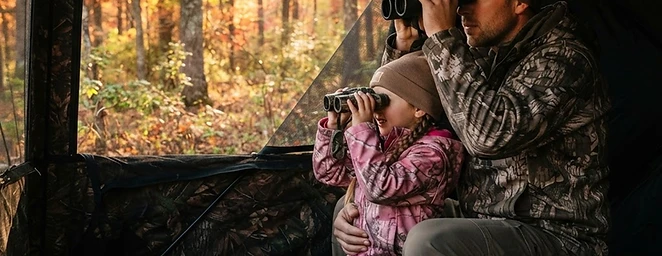
You and your child have been sitting in your ground blind for two hours without seeing any wildlife. Your child starts fidgeting, whispering that they are bored and want to move around to stretch their legs. How do you respond?
What is the best way to handle this situation to maintain both safety and patience?
HUNTING SAFETY EDUCATION · AGES 5-17
RAISE A SAFE, CONFIDENT YOUNG HUNTER.
Guide your kids through interactive hunting safety missions, real decision drills, and earned trophies — all from one free parent account.