 BHH YOUTH HUNTERS ACADEMYBHH ACADEMY
AUGUST 16, 2026
Teaching Young Hunters the Importance of Landowner Relations and Property Etiquette
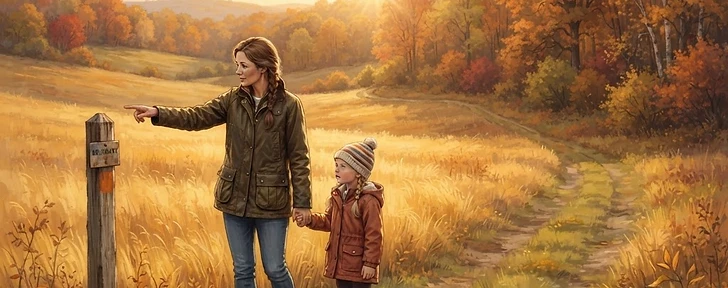
Respecting the Privilege of Access
Hunting on private land is a unique opportunity that relies entirely on the relationship between the hunter and the landowner. When you take your child into the field, you are teaching them much more than how to track game; you are teaching them how to be a responsible guest in someone else’s home. Cultivating a culture of respect for private property is a foundational pillar of ethical hunting that ensures these lands remain open for future generations.
The Golden Rule: Ask Before You Enter
The most important lesson a young hunter can learn is that access is never guaranteed. If you have permission to hunt on private property, your child must understand that this permission is specific to the individuals named and the boundaries discussed.
- Always introduce your child: When you meet a landowner, bring your child along. Let them listen to the conversation, shake hands, and see that you are asking for permission with genuine respect and gratitude.
- Define boundaries clearly: Before heading into the woods, sit down with a map. Ensure your child understands exactly where the property lines are and why it is vital to stay within them. Emphasize that wandering across a boundary line isn't just a mistake—it is a breach of trust.
Practicing 'Leave No Trace' Field Ethics
Beyond just staying within lines, how we treat the land while we are there matters immensely. Teach your child that the land should look exactly as it did before you arrived. This means packing out every piece of trash, including food wrappers, spent shell casings, and old flagging tape. If your child sees trash left by someone else, encourage them to pick it up. It shows the landowner that you take pride in their property and are committed to its health.
Communication and Gratitude
Landowners often appreciate knowing when you are on their property. Establish a habit of keeping them informed. If you plan to be in a specific stand, shoot them a quick, polite text if that is the agreed-upon method of communication.
Furthermore, teach your child the power of a handwritten thank-you note. After the season, having your child write a note expressing gratitude for the experience is a wonderful way to cement a positive relationship. It personalizes the connection and shows the landowner that your family truly values their generosity.
Handling Accidental Trespass
Even with the best preparation, mistakes happen. Perhaps a deer you were tracking moved across a property line, or you misinterpreted a fence marker. The most critical lesson here is integrity. Teach your child that if you cross a property line, you stop immediately. You do not continue the hunt. You attempt to contact the landowner to explain the situation honestly. This level of integrity is what defines an ethical hunter and preserves your reputation.
Building a Legacy
When we teach our children to respect private land, we are teaching them that hunting is a social contract. By treating every fence, gate, and wooded acre with care, we ensure that hunting remains a welcomed tradition in our communities.
At BHH Youth Hunters Academy, we believe safety and ethics go hand-in-hand. We encourage parents to start these important conversations early. Enroll in our age-matched safety lessons today to provide your child with the comprehensive tools they need to become a safe, ethical, and respected member of the hunting community.
TRY IT — A REAL ACADEMY DECISION DRILL
The Boundary Dilemma

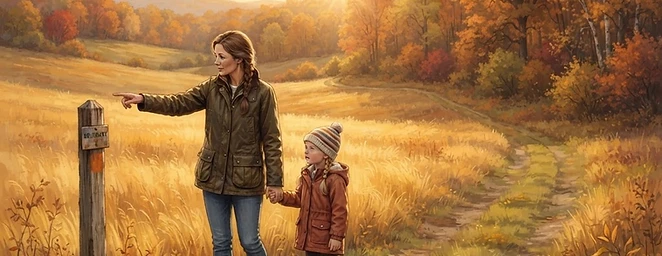
You and your child are tracking a deer that you have legally shot on the land where you have permission. As you follow the blood trail, you notice the trail leads directly over a clearly marked fence line onto a neighbor's property where you do not have permission to hunt.
What is the correct action to take in this situation?
HUNTING SAFETY EDUCATION · AGES 5-17
RAISE A SAFE, CONFIDENT YOUNG HUNTER.
Guide your kids through interactive hunting safety missions, real decision drills, and earned trophies — all from one free parent account.