 BHH YOUTH HUNTERS ACADEMYBHH ACADEMY
OCTOBER 20, 2026
Teaching Young Hunters the Importance of Hunter-Landowner Communication and Respect
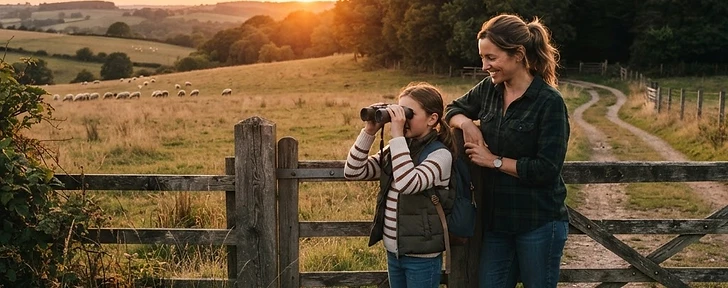
Building a Foundation of Respectful Access
For many young hunters, the opportunity to hunt on private land is a formative experience. Whether it is a family friend’s farm or a neighbor’s woodlot, the land is a finite resource provided through the generosity of a landowner. Teaching your child how to navigate these relationships is just as important as teaching them to shoot straight. At BHH Youth Hunters Academy, we believe that the next generation of sportsmen must view themselves as guests who represent the entire hunting community.
The Golden Rule of Landowner Relations
Everything begins with gratitude. Before your child even sets foot on a property, they should understand that access is a privilege, not a right. Teach your child that the landowner is the authority on that property, and their rules supersede any personal preferences.
When meeting a landowner, encourage your child to be present. Have them introduce themselves, make eye contact, and offer a firm handshake. This simple act builds human connection and shows that your child understands the gravity of the responsibility they are being given.
Establishing Clear Boundaries
Misunderstandings are the number one cause of lost hunting privileges. As a parent, you must teach your child to be hyper-aware of boundaries. Before heading out, conduct a 'pre-hunt briefing' where you review:
- The physical boundaries of the property: Where does the hunting area end and the neighbor’s property begin?
- Areas that are strictly off-limits: Are there barns, cattle pastures, or garden plots that should be avoided at all costs?
- Vehicle usage: Can you drive on the logging roads, or must you park at the designated gate?
By involving your child in these conversations, you turn a set of 'rules' into a shared roadmap for success. Use tools like satellite imagery apps to show them exactly where they are allowed to be, reinforcing the importance of staying within those lines.
The Art of Being an Invisible Guest
One of the most important lessons in land stewardship is the concept of 'leaving no trace.' If a landowner can’t tell that you were there, you are doing it right. Instruct your child on these habits:
- Always leave gates exactly as you found them. If a gate was closed, close it. If it was latched, latch it securely.
- Never litter, even if it is something as small as a candy wrapper or a spent shell casing.
- Keep noise to a minimum. Respect the peace and quiet that the landowner enjoys on their own property.
- Avoid damaging vegetation, fences, or field edges when entering or exiting your stand.
Communicating When Issues Arise
Sometimes, things don't go as planned. Perhaps your child spotted a downed tree across a fence line, or perhaps you accidentally bumped into a livestock pen. Teach your child that honesty is the only policy. If something goes wrong, you should reach out to the landowner immediately. Being the person who reports a mistake is infinitely better than being the person the landowner discovers making one.
Encouraging your child to participate in the 'thank you' process is also vital. Whether it’s a handwritten note at the end of the season or a small gift like a jar of honey or a framed photo of the sunset from their stand, these gestures go a long way in fostering long-term relationships.
Start Your Safety Journey Today
Building ethical habits starts early. By prioritizing communication and respect, you are teaching your child to be a steward of the land and an ambassador for the hunting community. Whether your child is just starting or is ready for their first independent hunt, our resources at BHH Youth Hunters Academy provide the guidance you need. We invite you to visit our website to start age-matched safety lessons with your child today, ensuring they are prepared for every aspect of the hunting experience.
TRY IT — A REAL ACADEMY DECISION DRILL
Make the Call: The Boundary Line


You and your child are tracking a deer that has crossed a clear property boundary line into a piece of land where you do not have permission to hunt.
What is the correct action to take next?
HUNTING SAFETY EDUCATION · AGES 5-17
RAISE A SAFE, CONFIDENT YOUNG HUNTER.
Guide your kids through interactive hunting safety missions, real decision drills, and earned trophies — all from one free parent account.